Pharmacotherapy: The Clinical Application of Drugs in Modern Healthcare (2026)
What if the secret to clinical mastery isn’t memorizing more drug lists, but changing how you process them? Most healthcare professionals feel the weight of information overload, especially as the 2026 pharmaceutical landscape introduces complex new therapies like Bixlenvo for HIV and Mimrylo for polycythemia vera. It’s natural to feel anxious when trying to connect a drug’s mechanism of action to a specific patient outcome. This challenge is exactly why mastering pharmacotherapy is the most critical step in your professional development.
You probably agree that the gap between classroom theory and the high-stakes environment of the NAPLEX or NCLEX feels wider than ever. This comprehensive 2026 guide promises to bridge that gap by providing a clear framework for therapeutic planning. We’ll move beyond dry facts to build your clinical reasoning skills and professional confidence. We’ll preview the essential shifts in drug pricing, the impact of federal PBM reforms, and the practical application of the 89 currently approved biosimilars to ensure you’re fully prepared for both the boards and the bedside.
Key Takeaways
- Understand how pharmacotherapy serves as the essential bridge between drug mechanisms and personalized patient care in a multidisciplinary setting.
- Learn to set precise therapeutic goals and adjust treatment plans based on patient-specific variables like comorbidities and renal function.
- Master the latest 2026 clinical standards for managing high-yield conditions in cardiovascular and endocrine health.
- Develop a reliable framework for board exam preparation that connects basic pharmacology to complex clinical decision-making.
- Identify how digital tools like video vignettes and active recall flashcards can help you overcome information overload and improve clinical reasoning.
What is Pharmacotherapy? Defining the Clinical Bridge
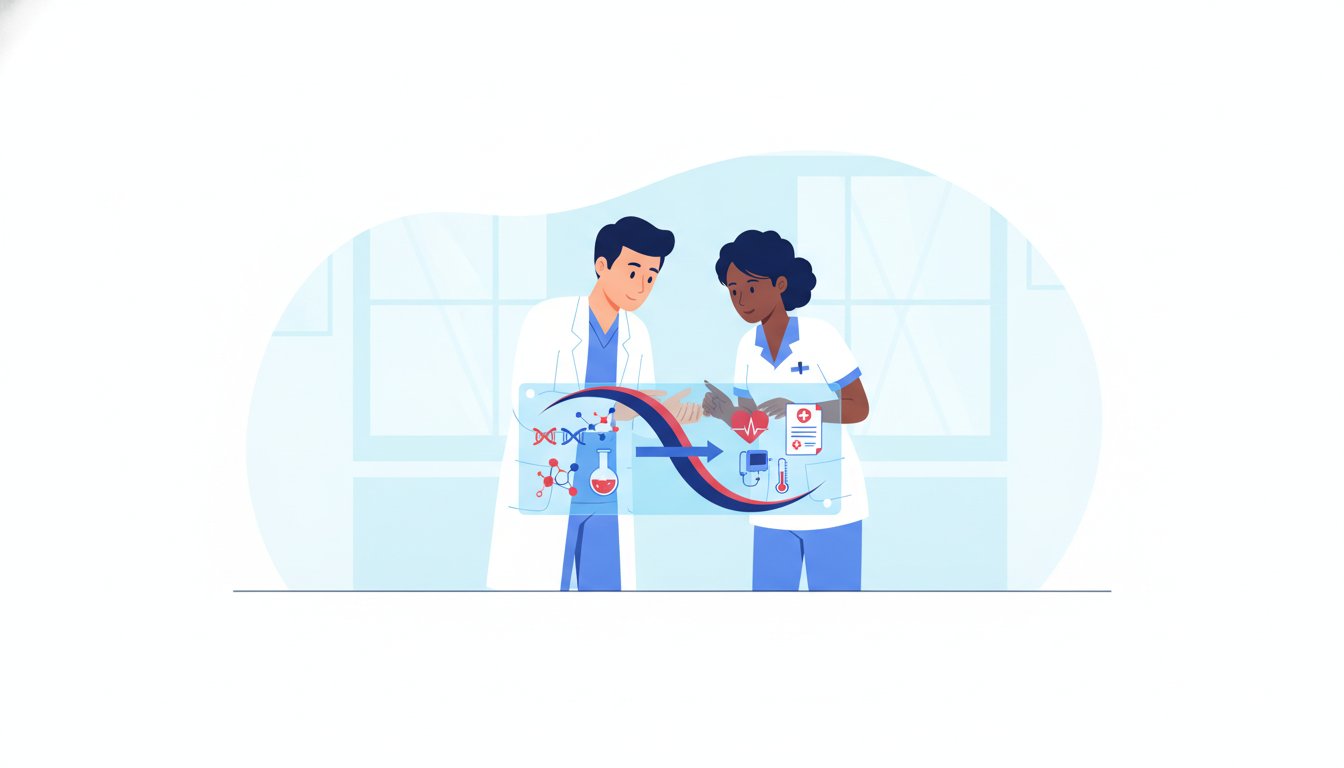
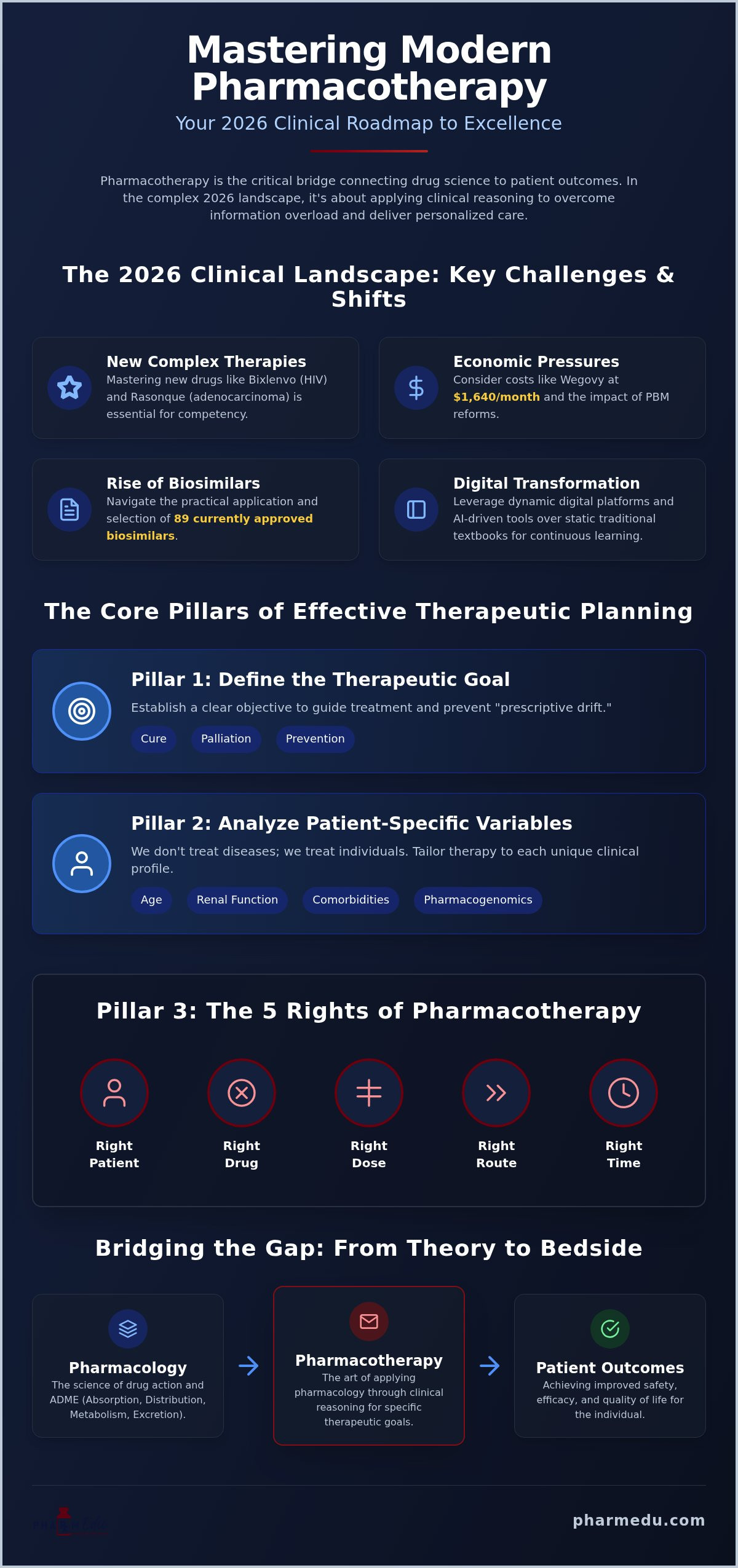
Pharmacotherapy represents the practical realization of laboratory science at the patient’s bedside. While pharmacology focuses on the biochemical effects of drugs on biological systems, pharmacotherapy is the application of pharmacology to achieve specific therapeutic goals in patients. It’s the difference between understanding how a molecule binds to a receptor and deciding if a patient with heart failure should start a specific regimen based on their unique clinical profile. This discipline ensures that drug use isn’t just a chemical intervention, but a calculated step toward healing or management.
For researchers and scientists working in the laboratory phase of drug discovery, you can learn more about Biochemi and their specialized pharmaceutical-grade compounds and research peptides for the scientific community.
A modern pharmacotherapist serves as a vital pivot point in multidisciplinary healthcare teams. They translate complex pharmacokinetic and pharmacodynamic data into actionable decisions that improve safety and efficacy. This process requires more than memorizing drug lists; it demands an integration of patient signalment, medical history, and economics into every drug selection. For example, in 2026, clinicians must weigh the clinical benefits of new approvals against economic realities, such as the monthly retail cost of GLP-1 agonists like Wegovy, which can reach $1,640 without insurance. Choosing the right therapy involves balancing these external pressures with the patient’s immediate physiological needs.
The Evolution of Therapeutic Drug Management
Therapeutic approaches have moved far beyond empirical “trial and error” methods. We’ve transitioned into an era of evidence-based Pharmacotherapy where every prescription is backed by rigorous clinical trials and real-world outcomes. In 2026, this evolution has culminated in personalized medicine and pharmacogenomics, allowing clinicians to predict drug responses based on a patient’s genetic profile. This shift has also changed how we acquire knowledge. Many professionals are moving away from the traditional comprehensive pharmacy review found in static textbooks, opting instead for dynamic digital platforms that update alongside the fast-paced pharmaceutical market.
Pharmacotherapy in the 2026 Clinical Landscape
The current clinical environment is defined by rapid innovation and extreme data density. Clinicians now use AI-driven decision support tools to cross-reference drug interactions and genomic data in seconds. However, technology doesn’t replace the need for deep expertise; it enhances it. Maintaining clinical competency requires a commitment to continuous education to keep pace with new drugs like Bixlenvo for HIV or Rasonque for adenocarcinoma. Because modern schedules are demanding, high-yield micro-learning has become the preferred method for staying current. Instead of hours of lectures, clinicians use targeted segments to master complex concepts quickly, ensuring their practice remains both safe and scientifically sound.
The Core Pillars of Effective Therapeutic Planning
Effective pharmacotherapy starts with a clearly defined objective. Clinicians must determine if the primary goal is a cure, such as using antibiotics for a bacterial infection, or if the focus is on palliation. In chronic conditions or advanced oncology, palliating symptoms to improve quality of life is often the most compassionate and practical path. Alternatively, preventive therapy, like the use of vaccines or statins, aims to avert disease before it manifests. Establishing this goal early prevents “prescriptive drift” and keeps the focus on the patient’s desired outcome.
We don’t treat diseases; we treat individuals. A patient’s age significantly alters drug metabolism, while renal function, often measured via creatinine clearance, dictates whether a standard dose becomes therapeutic or toxic. Comorbidities create a complex environment where a drug intended for one condition might exacerbate another. For example, treating a patient with both heart failure and diabetes requires a meticulous balance to avoid fluid overload or electrolyte imbalances. Therapeutic Drug Monitoring (TDM) ensures safety and efficacy by measuring drug concentrations in the blood to keep them within the therapeutic window.
Clinicians rely on the “Five Rights” of pharmacotherapy to minimize errors: the right patient, right drug, right dose, right route, and right time. While these seem foundational, they require constant vigilance in a busy clinical setting. If you find yourself struggling to apply these pillars to complex patients, practicing with interactive clinical case studies can sharpen your decision-making skills.
Pharmacodynamics and Pharmacokinetics in Practice
Mastering ADME (Absorption, Distribution, Metabolism, and Excretion) is essential for real-world dosing. Absorption varies between oral and intravenous routes, while distribution depends on a drug’s lipophilicity and protein binding. The Dose-Response relationship isn’t always linear; clinicians must understand the therapeutic index to avoid adverse effects. Predicting and mitigating drug-drug interactions (DDIs) is much easier when you can visualize how different substances compete for the same metabolic pathways, such as the CYP450 enzyme system.
Evidence-Based Selection Criteria
Clinical practice guidelines provide a reliable roadmap for drug choice, but they aren’t rigid rules. You must balance efficacy and safety with pharmacoeconomics. In 2026, clinicians face unique economic hurdles, such as the 100% tariff on patented pharmaceuticals taking effect on July 31 for large companies. This makes the selection of cost-effective alternatives, like biosimilars, increasingly important. Success in these complex decisions relies on a deep understanding of pharmacology as the foundational science. Without that base, therapeutic planning becomes guesswork rather than a precise clinical intervention.
Navigating High-Yield Disease States and Drug Classes
Mastering pharmacotherapy requires a strategic focus on the disease states encountered most frequently in clinical practice and board examinations. Cardiovascular health remains a primary concern for modern clinicians. You must navigate the complexities of hypertension management, evolving heart failure protocols, and the delicate balance required for safe anticoagulation. These areas aren’t just common; they’re high-stakes. A single dosing error in an anticoagulant regimen can lead to catastrophic outcomes, making precision a non-negotiable requirement for every healthcare professional.
Effective endocrine management has seen significant shifts in 2026, particularly regarding Diabetes Mellitus and thyroid disorders. The market for GLP-1 agonists continues to expand, with medications like Wegovy and Zepbound becoming standard considerations for both glycemic control and weight management. However, access remains a hurdle. Retail prices for Wegovy can reach $1,640 per month without insurance, forcing clinicians to consider cost-effective alternatives or biosimilars. As of August 2026, the FDA has approved 89 biosimilar products, providing more options for sustainable long-term care.
Infectious disease and neuropsychiatric care require a deep understanding of drug profiles. Antimicrobial stewardship is essential to combat rising resistance patterns, while mental health treatments focus on balancing efficacy with side effect profiles. In psychiatry, managing the metabolic risks of antipsychotics or the titration of antidepressants is a daily clinical reality. Success in these areas depends on your ability to synthesize pharmacology with real-world patient needs.
Focus on High-Yield: ACE Inhibitors and Beyond
Why do ACE inhibitors remain a cornerstone of every major board exam and clinical round? They’re essential for treating hypertension, heart failure, and diabetic nephropathy. You’ll need to master the management of common side effects, such as the “ACE cough” caused by bradykinin accumulation, or the more severe risk of angioedema. Comparing these to ARBs or newer classes like ARNIs is a frequent exam topic that tests your ability to apply therapeutic logic to patient-specific contraindications.
Managing Acute vs. Chronic Pharmacotherapy
Mastering Pharmacotherapy for Board Exams and Rounds
- Step 1: Build a strong foundation in basic pharmacology mechanisms. You must understand how a drug works at the cellular level before you can predict its clinical effect.
- Step 2: Use case-based learning to apply theory to patient scenarios. Real-world cases force you to account for variables like age and renal function.
- Step 3: Master high-yield mnemonics for drug classes and side effects. These mental shortcuts are invaluable during high-pressure exams.
- Step 4: Utilize active recall with flashcards and practice quizzes. Testing yourself is the most effective way to identify knowledge gaps.
- Step 5: Review real-world clinical pearls from experienced educators. These insights often cover the nuances that textbooks miss.
Preparing for the NAPLEX and NCLEX
The 2026 board exams are increasingly focused on clinical application rather than simple recall. While self-study might seem cost-effective initially, the sheer volume of information often leads to burnout. This is why the best naplex prep course guide is superior to self-study; it provides the structure needed to prioritize high-yield content. You’ll need to identify “must-know” drug-drug interactions, such as those involving the CYP450 system, which are frequent targets for board questions. Time management is also vital. Learning to quickly parse complex pharmacotherapy questions ensures you have enough time for the most difficult clinical calculations.
The Importance of a Structured Study Guide
Organization is your greatest ally when facing a massive curriculum. A well-designed pharmacology study guide for nursing students or pharmacy students helps you categorize drugs by their therapeutic use rather than just their chemical structure. This logical grouping makes it easier to remember contraindications and monitoring parameters. The “Rule of Three” involves reviewing a specific drug class at three strategically spaced intervals to ensure information transitions effectively into long-term memory. If you’re ready to stop feeling overwhelmed and start feeling prepared, get started with PharmEDU’s high-yield review today.
Elevating Your Clinical Expertise with PharmEDU
Mastering the art of pharmacotherapy requires tools that are as dynamic as the medical field itself. Traditional study methods often leave students feeling buried under a mountain of disconnected facts. PharmEDU changes this by providing a streamlined, high-yield environment where you can visualize complex concepts. Our High-Yield Video Vignettes break down intricate drug-receptor interactions and clinical pathways into manageable, visual segments. These vignettes allow you to see the science in action, making it much easier to recall information during a high-stakes exam or a busy shift on the ward.
Active recall is the most effective way to ensure long-term retention. Our Interactive Flashcards allow you to master drug names, mechanisms, and side effects through repetitive, targeted testing. When you’re ready to move beyond the basics, our Clinical Case Studies provide the essential bridge between theoretical knowledge and real-world application. You’ll face scenarios that mimic the hospital environment, forcing you to account for patient-specific variables and therapeutic goals. Because our platform is mobile-compliant, you can study pharmacotherapy anytime, whether you’re commuting or between classes.
Why PharmEDU Beats Traditional Textbooks
Static textbooks are often outdated by the time they reach the shelves. In a year where drug approvals and federal PBM reforms are shifting the landscape monthly, you need a resource that stays current. PharmEDU provides real-time updates to reflect 2026 clinical guidelines, ensuring you’re never studying obsolete information. We understand that modern students have demanding schedules. Our micro-learning segments are designed to fit into a ten-minute break, maximizing your productivity without causing burnout. We also offer Institutional Platform Licenses for universities and nursing programs looking to integrate high-yield digital tools into their curriculum.
Join the Next Generation of Healthcare Professionals
Success in healthcare isn’t just about passing a test; it’s about building a career based on clinical excellence. PharmEDU supports your journey through expert-led content that acts as a digital mentor. If you’re just starting out and researching how to become a pharmacist or a nurse, our platform provides the scientific foundation you’ll need for every step of the process. We’ve helped thousands of students move from a state of information overload to one of professional confidence. Don’t let complex drug lists hold you back from your potential. Start your PharmEDU subscription today and master pharmacotherapy with the most advanced digital tools available.
Advancing Your Clinical Practice in 2026
Mastering pharmacotherapy is about more than just passing the NAPLEX or NCLEX. It’s about developing the clinical reasoning necessary to navigate a rapidly changing healthcare environment. Throughout this guide, we’ve explored how establishing clear therapeutic goals and understanding patient-specific factors are the foundational pillars of safe practice. By shifting your focus from rote memorization to high-yield application, you ensure your skills remain relevant as new drug classes and regulatory reforms emerge.
PharmEDU is your dedicated partner in this professional journey. Our platform covers over 100 high-yield topics through mobile-compliant micro-learning segments, allowing you to stay ahead of the curve without sacrificing your limited time. You’ll benefit from interactive flashcards and practice quizzes that turn passive study into active mastery. Take the next step in your career with confidence and precision. Master Pharmacotherapy with PharmEDU—Start Your High-Yield Review Now. Your path to clinical excellence starts here.
Frequently Asked Questions
What is the primary difference between pharmacology and pharmacotherapy?
Pharmacology is the study of drug action on biological systems, while pharmacotherapy is the clinical application of those drugs to treat specific diseases in patients. One focuses on the science of the molecule; the other focuses on the science of the patient. Understanding this distinction is essential for making safe therapeutic decisions. It requires you to integrate patient history, economics, and mechanism of action into a cohesive treatment plan that prioritizes long-term health.
How can I stay updated on the latest pharmacotherapy guidelines in 2026?
Staying updated requires moving beyond static resources and utilizing digital platforms that reflect real-time changes. In 2026, clinical guidelines shift rapidly due to new FDA approvals like Zenbexus for multiple myeloma and federal PBM reforms. PharmEDU provides high-yield updates that incorporate these scientific and regulatory changes. Subscribing to a platform designed by healthcare educators ensures you aren’t relying on outdated information, keeping your practice both safe and legally compliant.
What are the most high-yield drug classes for the NAPLEX exam?
The most high-yield drug classes for the NAPLEX typically include cardiovascular agents, endocrine medications, and anti-infectives. You should specifically master ACE inhibitors, anticoagulants, and the expanding class of GLP-1 agonists. These classes are frequently tested because they require complex clinical reasoning regarding dosing, side effects, and contraindications. Focus your study on mechanisms of action and patient-specific monitoring parameters, as these are the areas where board exams most often challenge your knowledge.
How does pharmacotherapy management differ for pediatric vs. geriatric patients?
Pharmacoeconomics helps clinicians balance the clinical efficacy of a drug with its overall cost and value to the patient. This is particularly important in 2026 as retail prices for certain therapies remain high and new tariffs impact drug pricing. Effective therapeutic planning involves choosing the most cost-effective option, such as a biosimilar, when it provides equivalent outcomes. This ensures that patients can actually afford and adhere to their prescribed treatment regimens over the long term.
Can I use PharmEDU for both nursing and pharmacy pharmacology reviews?
Yes, the PharmEDU platform is a comprehensive resource for both nursing and pharmacy pharmacology reviews. Our curriculum is designed by healthcare educators to cover the high-yield concepts essential for the NCLEX and NAPLEX exams. Whether you’re mastering drug administration as a nurse or complex dosing as a pharmacist, our video vignettes and interactive flashcards provide the clarity you need. The platform’s structure supports a wide range of clinical roles by focusing on universal pharmacological principles.
How do clinical case studies improve pharmacotherapy retention?
Clinical case studies improve retention by forcing you to apply theoretical knowledge to a realistic patient scenario. This active application creates stronger neural pathways than passive reading ever could. When you solve a case involving complex drug-drug interactions or renal dosing, you’re practicing the exact reasoning skills required on the hospital ward. This method transforms abstract facts into practical clinical wisdom, making it much easier to recall information during high-pressure board exams or rounds.
What are the most common pitfalls in clinical drug selection?
The most common pitfalls include failing to adjust doses for renal or hepatic impairment and overlooking potential drug-drug interactions. Clinicians also struggle when they don’t establish clear therapeutic goals, such as cure versus palliation, before starting a regimen. Another frequent error is ignoring the patient’s economic situation, which can lead to non-adherence. Avoiding these mistakes requires a systematic approach to drug selection that accounts for both the drug’s properties and the patient’s unique clinical profile.