Evidence-based practice in pharmacology: use guidelines and research
Sound pharmacology decisions depend on more than knowing what a drug does. Evidence-based practice in pharmacology means asking a focused clinical…

Sound pharmacology decisions depend on more than knowing what a drug does. Evidence-based practice in pharmacology means asking a focused clinical…

A drug’s first human study is only one stage of its evaluation. Understanding clinical drug trials means seeing how research moves from early safety…

Drug development is moving beyond a one-size-fits-all model. The future of pharmacology and drug development will be shaped by personalized medicine,…

The same medication can work well for one person but have little effect or cause adverse reactions in another. Genetic differences can influence how…

Calcium channel blockers lower blood pressure by relaxing blood vessels, and some types also slow the heart’s rhythm. These medicines, sometimes…

The therapeutic index measures a drug’s safety margin by comparing its toxic dose with its effective dose. It is calculated as TD50 divided by ED50:…

A larger dose does not necessarily maintain treatment. The key difference in loading dose vs maintenance dose is timing: a loading dose raises drug…

The right antidote depends on the substance involved. An antidote chart for common toxins pairs acetaminophen with N-acetylcysteine, opioid poisoning…

A promising result isn’t enough to justify a treatment decision. Knowing how to critically appraise a drug study means judging whether its design and…
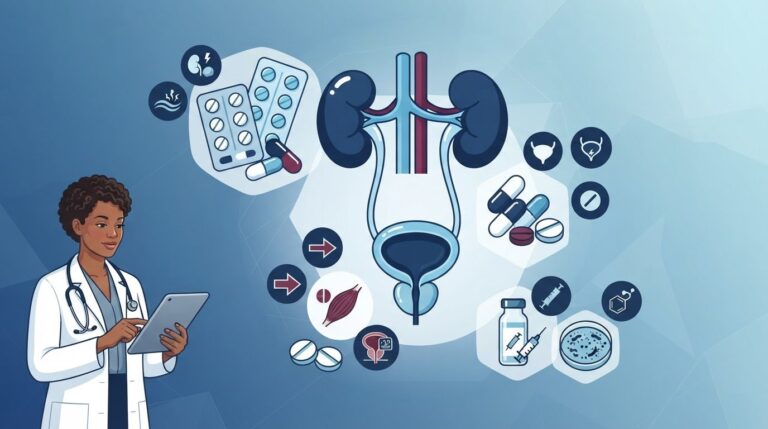
The medication that helps one urologic condition may have little role in another. The pharmacology of urologic medications includes alpha-blockers…