NAPLEX Practice Questions: The 2026 High-Yield Guide to Passing Now

NAPLEX Practice Questions: The 2026 High-Yield Guide to Passing Now

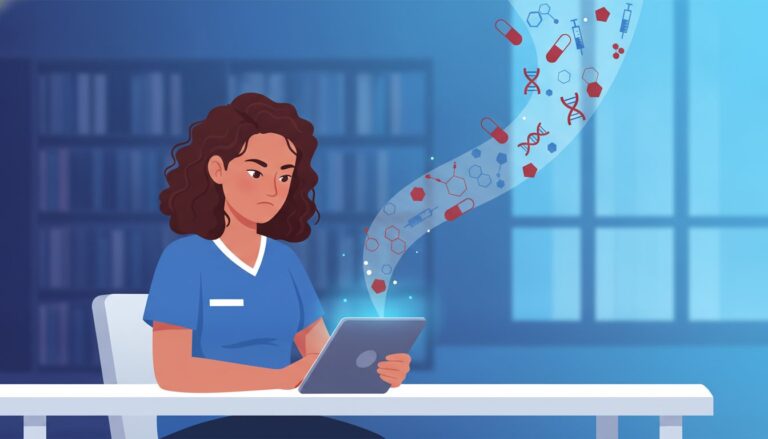
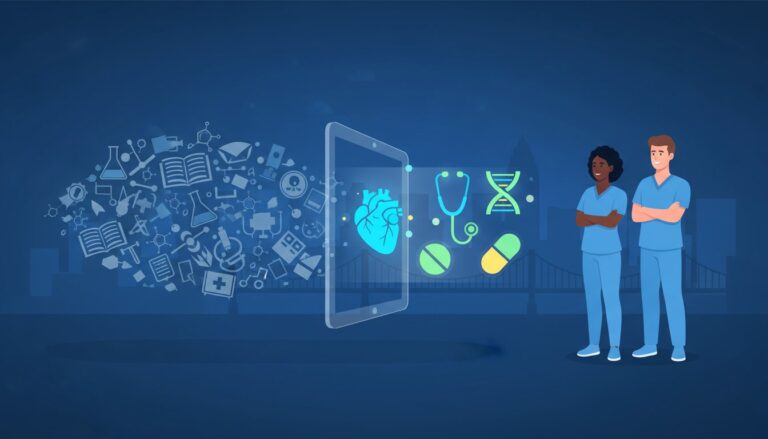
What if the secret to conquering the 2026 boards isn’t how many hours you study, but how you filter the noise? It’s a common trap to believe that reading every word of a 1000-page review book is the only way to prepare, yet this often leads to information overload rather than clinical mastery. You’re likely feeling the weight of the upcoming six-hour exam and the stress of those high-stakes pharmaceutical calculations.

We understand that your goal is to pass the NAPLEX on your first attempt without wasting months on low-yield details. This guide will teach you the most efficient way to use NAPLEX practice questions to bridge the gap between textbook theory and real-world clinical application. By focusing on high-yield concepts and active recall, you can turn your study sessions into a precise diagnostic tool for your own knowledge gaps.

In the following sections, we’ll break down a methodical strategy to identify your weak points, master the math, and build the stamina required for exam day. You’ll learn how to approach each question with the mindset of a practicing pharmacist, ensuring you’re ready for whatever the 2026 exam throws your way.

Key Takeaways

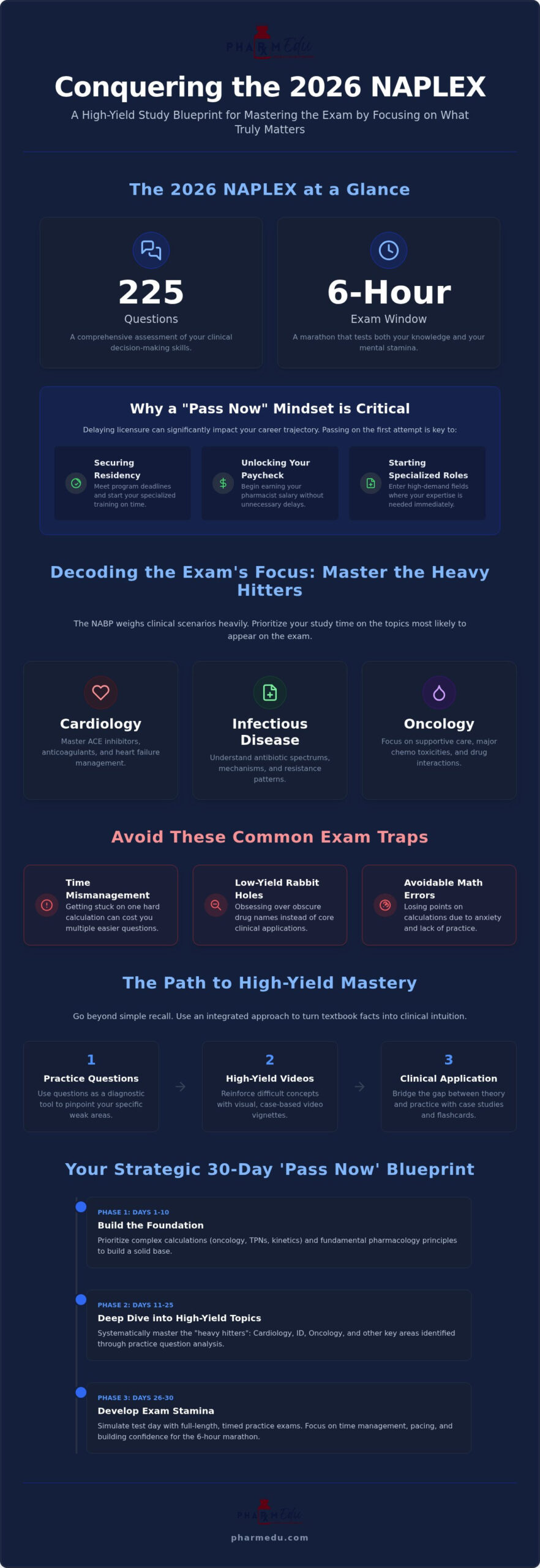
  • Understand the 225-question 2026 exam landscape and why a “pass now” mindset is essential for your immediate career progression.
  • Learn how to integrate NAPLEX practice questions with high-yield video vignettes to master the most critical drug classes and clinical concepts.
  • Compare the ROI of expensive live bootcamps against flexible, digital micro-learning platforms to find the most efficient study model for your budget.
  • Follow a structured 30-day blueprint that prioritizes complex calculations and foundations early to build exam-day stamina.
  • Discover how to bridge the gap between textbook theory and clinical application with over 100 high-yield pharmacology topics.

The 2026 NAPLEX Landscape: Why You Need to Pass Now

The North American Pharmacist Licensure Examination (NAPLEX) is the decisive 225-question hurdle every pharmacy graduate must clear to practice in the United States. It’s not just a test of what you know; it’s a measure of your readiness to ensure patient safety in a complex clinical environment. For those entering the workforce in 2026, the stakes are higher than ever. Delays in licensure don’t just stall your paycheck. They can jeopardize residency positions and delay your start in specialized roles where your expertise is needed immediately.

The 2026 exam reflects a significant shift toward clinical application. While previous versions might have rewarded simple recall, the current format prioritizes Area 1 (Data Assessment) and Area 2 (Drug Interactions and Management). You aren’t just identifying a drug; you’re evaluating a patient’s entire profile to prevent a dangerous interaction. This is why high-quality NAPLEX practice questions are so vital. They simulate the decision-making process you’ll face at the Pearson VUE center, moving you beyond the “what” to the “why” of pharmacy practice. Adopting a “pass now” mindset means recognizing that your license is the final key to your professional identity.

Understanding the 2026 NABP Competency Statements

The NABP has structured the 2026 competencies to weigh clinical scenarios heavily against pharmaceutical calculations. To succeed, you must master the “heavy hitters” that dominate the exam: infectious disease, oncology, and cardiology. High-yield study is the only way to manage this vast curriculum effectively. Since you can’t memorize every detail in a 1000-page book, focusing on these core areas allows you to allocate your energy where it yields the most points. Understanding how the NABP weights these sections helps you prioritize your review time on the topics most likely to appear on your specific exam form.

Common Fail Points for 2026 Candidates

Many candidates struggle because they mismanage the six-hour testing window. It’s easy to get bogged down in a single difficult calculation and lose the time needed for easier clinical questions later in the exam. Another common pitfall is obsessing over obscure drug names while ignoring practical clinical application. Scoring often takes a hit when candidates make avoidable calculation errors. Consistent exposure to NAPLEX practice questions that mimic the actual exam’s math difficulty is non-negotiable for success. Mastering these foundations early prevents the anxiety that leads to simple mistakes during the final hours of the testing session.

High-Yield Content Mastery: Beyond Basic NAPLEX Practice Questions

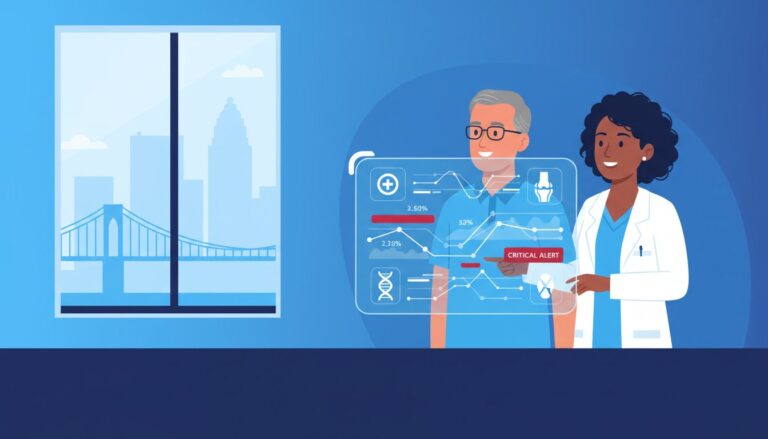
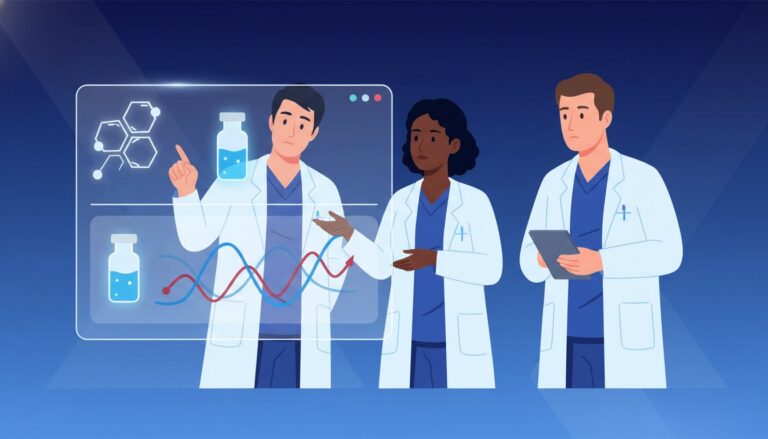
Successful candidates don’t just solve thousands of NAPLEX practice questions; they dissect the clinical logic behind every answer choice. In 2026, the exam focus shifts heavily toward managing chronic conditions and acute infectious diseases. The top drug classes likely to dominate your exam include anticoagulants, anti-infectives, cardiovascular agents, endocrine medications, and oncology supportive care. Mastery requires a multi-modal approach. By pairing Clinical Case Studies with High-Yield Video Vignettes, you can see how a drug’s mechanism translates into a patient’s lab values or physical symptoms. This visual and case-based learning transforms dry facts into practical knowledge you’ll actually use on the hospital floor.

Simple recall isn’t enough for the current boards. Using Interactive Pharmacology Flashcards helps bridge the gap between knowing a drug’s name and applying its clinical use in a 225-question marathon. When you encounter a challenging concept in your study bank, reinforcing it with a short, focused video ensures the information sticks long after the session ends. This method helps you identify weak areas quickly, allowing for a more efficient use of your limited study hours. If you’re looking for a focused way to polish these skills, our PharmEDU Monthly Subscription provides targeted quizzes to sharpen your precision.

Mastering the Big Three: Cardiovascular, ID, and Diabetes

Cardiovascular health remains a cornerstone of the exam. You should be intimately familiar with ACE inhibitors pharmacology, specifically their role in heart failure and renal protection. For infectious disease, don’t just memorize names. Build antibiotic ladders to understand spectrum coverage and use mnemonics to recall mechanisms of action. In the diabetes section, focus on insulin titration and the critical adverse effects, such as hypoglycemia or weight changes, that frequently appear in Official NAPLEX Information regarding competency. Understanding these nuances is what separates a passing score from a repeat attempt.

Calculations: The Non-Negotiable 2026 Skills

Math is often where candidates lose their confidence during the six-hour window. You must master mEq and mOsmol conversions, along with complex alligation problems. Alligation is a mathematical method for blending two concentrations to reach a desired intermediate strength. Beyond basic math, ensure you’re comfortable with pharmacokinetics essentials like clearance, half-life, and volume of distribution. These aren’t just formulas; they’re the foundation of safe dosing and therapeutic drug monitoring. Practicing these daily builds the muscle memory needed to handle the pressure of the Pearson VUE environment without second-guessing your work.

Prep Course Comparison: Bootcamps vs. Digital Micro-Learning

Choosing the right preparation method often feels like a choice between two extremes. On one hand, you have intensive, live-stream bootcamps that frequently cost upwards of $800. These programs demand a rigid schedule, often requiring you to sit through eight-hour Zoom marathons. On the other hand, modern digital platforms offer a flexible, on-demand approach. While bootcamps rely on sheer volume and intensity, digital micro-learning focuses on precision and retention. This shift is particularly relevant for 2026 candidates who are balancing study with clinical rotations.

The micro-learning advantage allows you to turn small pockets of time into productive study sessions. Instead of waiting for a weekend seminar, you can tackle a few NAPLEX practice questions during your morning commute or between patient rounds. Mobile compliance is no longer a luxury; it’s a make-or-break feature. If your study tools don’t work seamlessly on your phone, you’re missing out on hours of potential review every week. Efficiency in 2026 isn’t about how long you study, but how effectively you use the time you have.

The True Cost of Board Prep in 2026

When you analyze the return on investment, the price-per-topic of major review courses can be staggering. Paying for a massive, all-in-one package often means you’re subsidizing content you already know well. A PharmEDU Monthly Subscription offers a more surgical approach, allowing you to pay only for the time you actually need. This is especially beneficial for short-term, intensive review in the final month before your exam. For a deeper look at the evolution of study tools, check out our guide on Comprehensive Pharmacy Review: Digital Platforms vs. Traditional Textbooks. Academic insights from the AACP on the NAPLEX emphasize that consistent, high-quality engagement with material is more effective than last-minute cramming sessions.

Live Streams vs. On-Demand Video Vignettes

Fixed-schedule bootcamps provide a sense of community, but they also carry a high risk of information fatigue. Trying to absorb complex pharmacology for hours on end leads to diminishing returns. In contrast, on-demand High-Yield Video Vignettes allow you to pause, rewind, and master a topic before moving forward. This personalized path ensures you aren’t wasting time on cardiovascular basics if your real weakness lies in oncology. With over 100 high-yield topics available, you can build a curriculum that mirrors your specific needs. Integrating these videos with targeted NAPLEX practice questions creates a feedback loop that reinforces memory without the burnout associated with live seminars.
NAPLEX Practice Questions: The 2026 High-Yield Guide to Passing Now

The 30-Day ‘Pass Now’ Blueprint: A Strategic Study Schedule

Conquering the boards in 2026 requires a transition from aimless reading to a structured, high-yield countdown. A thirty-day window is the optimal timeframe to build clinical mastery without reaching the point of burnout. This blueprint isn’t about memorizing every footnote in a textbook. It’s about a methodical progression that builds your confidence through evidence-based study phases. By following this timeline, you ensure that every hour spent with NAPLEX practice questions translates directly into points on exam day.

Week 1 serves as your heavy-lifting phase. You’ll focus on foundations, pharmacokinetics, and those critical calculations we’ve already identified as non-negotiable. Week 2 shifts the focus to Major Clinical Systems, specifically cardiology, endocrine, and pulmonary topics. During Week 3, you’ll dive into Specialty Topics such as infectious disease, oncology, and HIV, which often carry significant weight in the scoring algorithm. Finally, Week 4 is the final polish phase. This is where you transition fully into simulation mode, using Pharmacology Practice Quizzes to refine your pacing and decision-making speed.

Daily Study Habits for Maximum Clinical Retention

Research consistently shows that active recall is three times more effective than passive reading. Instead of highlighting pages, spend your time answering questions and explaining the rationale aloud. This technique is a cornerstone of any effective pharmacology study guide for nursing students and pharmacy graduates alike. Spaced repetition ensures that complex drug interactions move from your short-term memory into long-term clinical knowledge. Don’t ignore your mistakes. Reviewing your “wrong” answers is often more valuable than confirming what you already know, as it highlights the specific logic gaps you need to close before the exam.

Simulating the Pearson VUE Experience

Testing stamina is a skill that must be developed. Sitting for a six-hour exam is physically and mentally taxing, so you must practice in a distraction-free environment. Aim to complete at least two full-length practice tests during your final week to mimic the actual Pearson VUE window. This helps you calibrate your internal clock, ensuring you don’t spend too much time on a single calculation. Your final 48-hour checklist should focus on light review of high-yield charts and math formulas. Let go of obscure details and trust the foundation you’ve built over the previous month. If you’re ready to begin this journey, you can start your 30-day countdown with PharmEDU today.

Why PharmEDU is the Key to Rapid NAPLEX Success

PharmEDU serves as the vital link between years of pharmacy school theory and the high-pressure reality of clinical practice. While other platforms focus on the sheer volume of their question banks, we prioritize the relevance and clinical accuracy of every lesson. Passing the boards isn’t a result of brute force; it’s a matter of strategic preparation. By focusing on 100+ high-yield pharmacology topics, our platform ensures you spend your time on the concepts that actually drive your score. Whether you’re an individual student aiming for that first-time pass or an administrator looking for an Institutional Platform License to support an entire cohort, the goal remains the same: precision over saturation. We understand that the shift toward patient safety and decision-making in 2026 requires more than just memorizing drug names. It requires a mentor-like guide that simplifies complex scientific data into actionable knowledge.

Micro-Learning for the Busy Pharmacy Professional

The 2026 candidate doesn’t have the luxury of sitting in a library for twelve hours a day. You’re likely balancing clinical rotations, work, and personal commitments. Our platform is designed for this reality, offering High-Yield Video Vignettes that fit perfectly into a fifteen-minute lunch break or a morning commute. When you pair these videos with mobile-compliant NAPLEX practice questions, you’re always “exam-ready” regardless of your location. This micro-learning approach prevents the cognitive fatigue often seen with traditional 1000-page review books. It allows you to master a single drug class, like anticoagulants or biologics, in the time it takes to finish a cup of coffee. For a deeper analysis of how this modern method compares to stagnant study models, see our Best NAPLEX Prep Course Guide: How to Pass in 2026.

Getting Started with Your Prep Today

The most effective way to use our NAPLEX practice questions is to track your mastery through our integrated progress dashboard. This tool identifies exactly which of the 2026 competency areas require more attention, allowing you to pivot your strategy in real time. You can choose between a PharmEDU Monthly Subscription for a final-month sprint or an Annual Subscription for long-term reinforcement during your final year of school. The dashboard provides a methodical and predictable path to success, removing the administrative burden of tracking your own progress. Don’t let the 225-question hurdle stand between you and your professional career. Ready to pass? Start your high-yield NAPLEX review with PharmEDU now.

Securing Your Professional Future in 2026

Navigating the 2026 boards requires more than just endurance; it demands a precise strategy that prioritizes clinical safety and high-yield mastery over simple rote memorization. You’ve seen how a structured 30-day blueprint and a focus on the “heavy hitter” drug classes can transform your preparation from overwhelming to manageable. By moving beyond basic NAPLEX practice questions and embracing active recall, you ensure that your study hours translate into the clinical decision-making skills required on exam day. Your path to licensure is about bridging the gap between what you learned in a classroom and how you’ll protect patients in a real-world pharmacy setting.

With access to over 100 high-yield pharmacology topics and a mobile-compliant micro-learning design, you can maintain your momentum during even the busiest clinical rotations. Our platform offers the interactive quizzes and clinical case studies necessary to identify and close your specific knowledge gaps before you ever step into the Pearson VUE center. Start your 2026 NAPLEX prep with PharmEDU’s high-yield video vignettes today! You have the drive and the education; now you have the right partner to help you cross the finish line with confidence.

Frequently Asked Questions

Is Pass NAPLEX Now (PNN) worth the high price compared to digital platforms?

Pass NAPLEX Now (PNN) offers an intensive bootcamp experience, but its high cost and rigid schedule may not provide the same return on investment as modern digital platforms. Many students find that on-demand micro-learning fits their schedule better than an $800 live stream. PharmEDU provides a flexible alternative through monthly subscriptions, allowing you to focus on high-yield content without the financial burden of a massive upfront package.

How many NAPLEX practice questions should I do per day to pass in 30 days?

You should aim to complete 50 to 75 NAPLEX practice questions per day during a 30-day study window. It’s more effective to thoroughly review the rationales for a smaller set of questions than to rush through hundreds without understanding the clinical logic. This approach helps you identify specific knowledge gaps and build the mental stamina required for the actual six-hour testing session at Pearson VUE.

What are the most important math formulas for the 2026 NAPLEX?

The most critical math formulas for the 2026 exam include milliequivalents (mEq), milliosmoles (mOsmol), alligations, and basic pharmacokinetics like clearance and half-life. You must also be proficient in dose-rounding and patient-specific calculations based on weight or renal function. Mastery of these foundations is essential because calculation errors are a frequent reason for score deductions, even when your clinical knowledge is strong.

Can I pass the NAPLEX using only practice questions and flashcards?

You can pass using these tools if they focus on clinical application rather than simple rote memorization. Active recall through NAPLEX practice questions and flashcards is significantly more effective than passive reading because it forces your brain to retrieve information. However, you should supplement these tools with high-yield video vignettes to ensure you understand the clinical reasoning behind complex drug interactions and disease state management.

How does PharmEDU compare to RxPrep or PNN for high-yield review?

PharmEDU distinguishes itself by offering a micro-learning model that avoids the information overload common in 1000-page review books. While PNN focuses on live-stream intensity, PharmEDU provides mobile-compliant video vignettes and interactive quizzes that you can access anytime. This flexibility makes it a more practical choice for busy pharmacy professionals who need to fit board prep into a commute or clinical rotations.

What should I do if I fail the NAPLEX on my first attempt in 2026?

You must wait 45 days before your next attempt according to current regulations if you don’t pass on your first try. Use this time to analyze your candidate performance report to see which competency areas were your weakest. Shift your study strategy away from passive reading and toward intensive, case-based practice. Identifying the specific logic gaps that led to incorrect answers is the best way to ensure success on your second attempt.

Are the 2026 NAPLEX competency statements different from previous years?

The 2026 competency statements continue the trend of prioritizing clinical safety and data assessment over simple drug name recall. Area 1 (Obtaining and Assessing Data) and Area 2 (Identifying Drug Interactions) carry the most weight in the current scoring algorithm. Candidates must demonstrate they can apply pharmaceutical knowledge to complex patient profiles, making high-yield clinical review more important than it was in previous years.

How do high-yield video vignettes improve exam scores?

High-yield video vignettes improve scores by providing visual and auditory reinforcement of complex pharmacological concepts. These short, focused videos help bridge the gap between textbook theory and real-world clinical application, which is a core focus of the 2026 exam. By breaking down difficult topics into digestible segments, they increase retention and make it easier to recall critical information during the high-pressure environment of the boards.

What if the secret to conquering the 2026 boards isn’t how many hours you study, but how you filter the noise? It’s a common trap to believe that reading every word of a 1000-page review book is the only way to prepare, yet this often leads to information overload rather than clinical mastery. You’re likely feeling the weight of the upcoming six-hour exam and the stress of those high-stakes pharmaceutical calculations.

We understand that your goal is to pass the NAPLEX on your first attempt without wasting months on low-yield details. This guide will teach you the most efficient way to use NAPLEX practice questions to bridge the gap between textbook theory and real-world clinical application. By focusing on high-yield concepts and active recall, you can turn your study sessions into a precise diagnostic tool for your own knowledge gaps.

In the following sections, we’ll break down a methodical strategy to identify your weak points, master the math, and build the stamina required for exam day. You’ll learn how to approach each question with the mindset of a practicing pharmacist, ensuring you’re ready for whatever the 2026 exam throws your way.

Key Takeaways

  • Understand the 225-question 2026 exam landscape and why a “pass now” mindset is essential for your immediate career progression.
  • Learn how to integrate NAPLEX practice questions with high-yield video vignettes to master the most critical drug classes and clinical concepts.
  • Compare the ROI of expensive live bootcamps against flexible, digital micro-learning platforms to find the most efficient study model for your budget.
  • Follow a structured 30-day blueprint that prioritizes complex calculations and foundations early to build exam-day stamina.
  • Discover how to bridge the gap between textbook theory and clinical application with over 100 high-yield pharmacology topics.

The 2026 NAPLEX Landscape: Why You Need to Pass Now

The North American Pharmacist Licensure Examination (NAPLEX) is the decisive 225-question hurdle every pharmacy graduate must clear to practice in the United States. It’s not just a test of what you know; it’s a measure of your readiness to ensure patient safety in a complex clinical environment. For those entering the workforce in 2026, the stakes are higher than ever. Delays in licensure don’t just stall your paycheck. They can jeopardize residency positions and delay your start in specialized roles where your expertise is needed immediately.

The 2026 exam reflects a significant shift toward clinical application. While previous versions might have rewarded simple recall, the current format prioritizes Area 1 (Data Assessment) and Area 2 (Drug Interactions and Management). You aren’t just identifying a drug; you’re evaluating a patient’s entire profile to prevent a dangerous interaction. This is why high-quality NAPLEX practice questions are so vital. They simulate the decision-making process you’ll face at the Pearson VUE center, moving you beyond the “what” to the “why” of pharmacy practice. Adopting a “pass now” mindset means recognizing that your license is the final key to your professional identity.

Understanding the 2026 NABP Competency Statements

The NABP has structured the 2026 competencies to weigh clinical scenarios heavily against pharmaceutical calculations. To succeed, you must master the “heavy hitters” that dominate the exam: infectious disease, oncology, and cardiology. High-yield study is the only way to manage this vast curriculum effectively. Since you can’t memorize every detail in a 1000-page book, focusing on these core areas allows you to allocate your energy where it yields the most points. Understanding how the NABP weights these sections helps you prioritize your review time on the topics most likely to appear on your specific exam form.

Common Fail Points for 2026 Candidates

Many candidates struggle because they mismanage the six-hour testing window. It’s easy to get bogged down in a single difficult calculation and lose the time needed for easier clinical questions later in the exam. Another common pitfall is obsessing over obscure drug names while ignoring practical clinical application. Scoring often takes a hit when candidates make avoidable calculation errors. Consistent exposure to NAPLEX practice questions that mimic the actual exam’s math difficulty is non-negotiable for success. Mastering these foundations early prevents the anxiety that leads to simple mistakes during the final hours of the testing session.

High-Yield Content Mastery: Beyond Basic NAPLEX Practice Questions

Successful candidates don’t just solve thousands of NAPLEX practice questions; they dissect the clinical logic behind every answer choice. In 2026, the exam focus shifts heavily toward managing chronic conditions and acute infectious diseases. The top drug classes likely to dominate your exam include anticoagulants, anti-infectives, cardiovascular agents, endocrine medications, and oncology supportive care. Mastery requires a multi-modal approach. By pairing Clinical Case Studies with High-Yield Video Vignettes, you can see how a drug’s mechanism translates into a patient’s lab values or physical symptoms. This visual and case-based learning transforms dry facts into practical knowledge you’ll actually use on the hospital floor.

Simple recall isn’t enough for the current boards. Using Interactive Pharmacology Flashcards helps bridge the gap between knowing a drug’s name and applying its clinical use in a 225-question marathon. When you encounter a challenging concept in your study bank, reinforcing it with a short, focused video ensures the information sticks long after the session ends. This method helps you identify weak areas quickly, allowing for a more efficient use of your limited study hours. If you’re looking for a focused way to polish these skills, our PharmEDU Monthly Subscription provides targeted quizzes to sharpen your precision.

Mastering the Big Three: Cardiovascular, ID, and Diabetes

Cardiovascular health remains a cornerstone of the exam. You should be intimately familiar with ACE inhibitors pharmacology, specifically their role in heart failure and renal protection. For infectious disease, don’t just memorize names. Build antibiotic ladders to understand spectrum coverage and use mnemonics to recall mechanisms of action. In the diabetes section, focus on insulin titration and the critical adverse effects, such as hypoglycemia or weight changes, that frequently appear in Official NAPLEX Information regarding competency. Understanding these nuances is what separates a passing score from a repeat attempt.

Calculations: The Non-Negotiable 2026 Skills

Math is often where candidates lose their confidence during the six-hour window. You must master mEq and mOsmol conversions, along with complex alligation problems. Alligation is a mathematical method for blending two concentrations to reach a desired intermediate strength. Beyond basic math, ensure you’re comfortable with pharmacokinetics essentials like clearance, half-life, and volume of distribution. These aren’t just formulas; they’re the foundation of safe dosing and therapeutic drug monitoring. Practicing these daily builds the muscle memory needed to handle the pressure of the Pearson VUE environment without second-guessing your work.

Prep Course Comparison: Bootcamps vs. Digital Micro-Learning

Choosing the right preparation method often feels like a choice between two extremes. On one hand, you have intensive, live-stream bootcamps that frequently cost upwards of $800. These programs demand a rigid schedule, often requiring you to sit through eight-hour Zoom marathons. On the other hand, modern digital platforms offer a flexible, on-demand approach. While bootcamps rely on sheer volume and intensity, digital micro-learning focuses on precision and retention. This shift is particularly relevant for 2026 candidates who are balancing study with clinical rotations.

The micro-learning advantage allows you to turn small pockets of time into productive study sessions. Instead of waiting for a weekend seminar, you can tackle a few NAPLEX practice questions during your morning commute or between patient rounds. Mobile compliance is no longer a luxury; it’s a make-or-break feature. If your study tools don’t work seamlessly on your phone, you’re missing out on hours of potential review every week. Efficiency in 2026 isn’t about how long you study, but how effectively you use the time you have.

The True Cost of Board Prep in 2026

When you analyze the return on investment, the price-per-topic of major review courses can be staggering. Paying for a massive, all-in-one package often means you’re subsidizing content you already know well. A PharmEDU Monthly Subscription offers a more surgical approach, allowing you to pay only for the time you actually need. This is especially beneficial for short-term, intensive review in the final month before your exam. For a deeper look at the evolution of study tools, check out our guide on Comprehensive Pharmacy Review: Digital Platforms vs. Traditional Textbooks. Academic insights from the AACP on the NAPLEX emphasize that consistent, high-quality engagement with material is more effective than last-minute cramming sessions.

Live Streams vs. On-Demand Video Vignettes

Fixed-schedule bootcamps provide a sense of community, but they also carry a high risk of information fatigue. Trying to absorb complex pharmacology for hours on end leads to diminishing returns. In contrast, on-demand High-Yield Video Vignettes allow you to pause, rewind, and master a topic before moving forward. This personalized path ensures you aren’t wasting time on cardiovascular basics if your real weakness lies in oncology. With over 100 high-yield topics available, you can build a curriculum that mirrors your specific needs. Integrating these videos with targeted NAPLEX practice questions creates a feedback loop that reinforces memory without the burnout associated with live seminars.

NAPLEX Practice Questions: The 2026 High-Yield Guide to Passing Now

The 30-Day ‘Pass Now’ Blueprint: A Strategic Study Schedule

Conquering the boards in 2026 requires a transition from aimless reading to a structured, high-yield countdown. A thirty-day window is the optimal timeframe to build clinical mastery without reaching the point of burnout. This blueprint isn’t about memorizing every footnote in a textbook. It’s about a methodical progression that builds your confidence through evidence-based study phases. By following this timeline, you ensure that every hour spent with NAPLEX practice questions translates directly into points on exam day.

Week 1 serves as your heavy-lifting phase. You’ll focus on foundations, pharmacokinetics, and those critical calculations we’ve already identified as non-negotiable. Week 2 shifts the focus to Major Clinical Systems, specifically cardiology, endocrine, and pulmonary topics. During Week 3, you’ll dive into Specialty Topics such as infectious disease, oncology, and HIV, which often carry significant weight in the scoring algorithm. Finally, Week 4 is the final polish phase. This is where you transition fully into simulation mode, using Pharmacology Practice Quizzes to refine your pacing and decision-making speed.

Daily Study Habits for Maximum Clinical Retention

Research consistently shows that active recall is three times more effective than passive reading. Instead of highlighting pages, spend your time answering questions and explaining the rationale aloud. This technique is a cornerstone of any effective pharmacology study guide for nursing students and pharmacy graduates alike. Spaced repetition ensures that complex drug interactions move from your short-term memory into long-term clinical knowledge. Don’t ignore your mistakes. Reviewing your “wrong” answers is often more valuable than confirming what you already know, as it highlights the specific logic gaps you need to close before the exam.

Simulating the Pearson VUE Experience

Testing stamina is a skill that must be developed. Sitting for a six-hour exam is physically and mentally taxing, so you must practice in a distraction-free environment. Aim to complete at least two full-length practice tests during your final week to mimic the actual Pearson VUE window. This helps you calibrate your internal clock, ensuring you don’t spend too much time on a single calculation. Your final 48-hour checklist should focus on light review of high-yield charts and math formulas. Let go of obscure details and trust the foundation you’ve built over the previous month. If you’re ready to begin this journey, you can start your 30-day countdown with PharmEDU today.

Why PharmEDU is the Key to Rapid NAPLEX Success

PharmEDU serves as the vital link between years of pharmacy school theory and the high-pressure reality of clinical practice. While other platforms focus on the sheer volume of their question banks, we prioritize the relevance and clinical accuracy of every lesson. Passing the boards isn’t a result of brute force; it’s a matter of strategic preparation. By focusing on 100+ high-yield pharmacology topics, our platform ensures you spend your time on the concepts that actually drive your score. Whether you’re an individual student aiming for that first-time pass or an administrator looking for an Institutional Platform License to support an entire cohort, the goal remains the same: precision over saturation. We understand that the shift toward patient safety and decision-making in 2026 requires more than just memorizing drug names. It requires a mentor-like guide that simplifies complex scientific data into actionable knowledge.

Micro-Learning for the Busy Pharmacy Professional

The 2026 candidate doesn’t have the luxury of sitting in a library for twelve hours a day. You’re likely balancing clinical rotations, work, and personal commitments. Our platform is designed for this reality, offering High-Yield Video Vignettes that fit perfectly into a fifteen-minute lunch break or a morning commute. When you pair these videos with mobile-compliant NAPLEX practice questions, you’re always “exam-ready” regardless of your location. This micro-learning approach prevents the cognitive fatigue often seen with traditional 1000-page review books. It allows you to master a single drug class, like anticoagulants or biologics, in the time it takes to finish a cup of coffee. For a deeper analysis of how this modern method compares to stagnant study models, see our Best NAPLEX Prep Course Guide: How to Pass in 2026.

Getting Started with Your Prep Today

The most effective way to use our NAPLEX practice questions is to track your mastery through our integrated progress dashboard. This tool identifies exactly which of the 2026 competency areas require more attention, allowing you to pivot your strategy in real time. You can choose between a PharmEDU Monthly Subscription for a final-month sprint or an Annual Subscription for long-term reinforcement during your final year of school. The dashboard provides a methodical and predictable path to success, removing the administrative burden of tracking your own progress. Don’t let the 225-question hurdle stand between you and your professional career. Ready to pass? Start your high-yield NAPLEX review with PharmEDU now.

Securing Your Professional Future in 2026

Navigating the 2026 boards requires more than just endurance; it demands a precise strategy that prioritizes clinical safety and high-yield mastery over simple rote memorization. You’ve seen how a structured 30-day blueprint and a focus on the “heavy hitter” drug classes can transform your preparation from overwhelming to manageable. By moving beyond basic NAPLEX practice questions and embracing active recall, you ensure that your study hours translate into the clinical decision-making skills required on exam day. Your path to licensure is about bridging the gap between what you learned in a classroom and how you’ll protect patients in a real-world pharmacy setting.

With access to over 100 high-yield pharmacology topics and a mobile-compliant micro-learning design, you can maintain your momentum during even the busiest clinical rotations. Our platform offers the interactive quizzes and clinical case studies necessary to identify and close your specific knowledge gaps before you ever step into the Pearson VUE center. Start your 2026 NAPLEX prep with PharmEDU’s high-yield video vignettes today! You have the drive and the education; now you have the right partner to help you cross the finish line with confidence.

Frequently Asked Questions

Is Pass NAPLEX Now (PNN) worth the high price compared to digital platforms?

Pass NAPLEX Now (PNN) offers an intensive bootcamp experience, but its high cost and rigid schedule may not provide the same return on investment as modern digital platforms. Many students find that on-demand micro-learning fits their schedule better than an $800 live stream. PharmEDU provides a flexible alternative through monthly subscriptions, allowing you to focus on high-yield content without the financial burden of a massive upfront package.

How many NAPLEX practice questions should I do per day to pass in 30 days?

You should aim to complete 50 to 75 NAPLEX practice questions per day during a 30-day study window. It’s more effective to thoroughly review the rationales for a smaller set of questions than to rush through hundreds without understanding the clinical logic. This approach helps you identify specific knowledge gaps and build the mental stamina required for the actual six-hour testing session at Pearson VUE.

What are the most important math formulas for the 2026 NAPLEX?

The most critical math formulas for the 2026 exam include milliequivalents (mEq), milliosmoles (mOsmol), alligations, and basic pharmacokinetics like clearance and half-life. You must also be proficient in dose-rounding and patient-specific calculations based on weight or renal function. Mastery of these foundations is essential because calculation errors are a frequent reason for score deductions, even when your clinical knowledge is strong.

Can I pass the NAPLEX using only practice questions and flashcards?

You can pass using these tools if they focus on clinical application rather than simple rote memorization. Active recall through NAPLEX practice questions and flashcards is significantly more effective than passive reading because it forces your brain to retrieve information. However, you should supplement these tools with high-yield video vignettes to ensure you understand the clinical reasoning behind complex drug interactions and disease state management.

How does PharmEDU compare to RxPrep or PNN for high-yield review?

PharmEDU distinguishes itself by offering a micro-learning model that avoids the information overload common in 1000-page review books. While PNN focuses on live-stream intensity, PharmEDU provides mobile-compliant video vignettes and interactive quizzes that you can access anytime. This flexibility makes it a more practical choice for busy pharmacy professionals who need to fit board prep into a commute or clinical rotations.

What should I do if I fail the NAPLEX on my first attempt in 2026?

You must wait 45 days before your next attempt according to current regulations if you don’t pass on your first try. Use this time to analyze your candidate performance report to see which competency areas were your weakest. Shift your study strategy away from passive reading and toward intensive, case-based practice. Identifying the specific logic gaps that led to incorrect answers is the best way to ensure success on your second attempt.

Are the 2026 NAPLEX competency statements different from previous years?

The 2026 competency statements continue the trend of prioritizing clinical safety and data assessment over simple drug name recall. Area 1 (Obtaining and Assessing Data) and Area 2 (Identifying Drug Interactions) carry the most weight in the current scoring algorithm. Candidates must demonstrate they can apply pharmaceutical knowledge to complex patient profiles, making high-yield clinical review more important than it was in previous years.

How do high-yield video vignettes improve exam scores?

High-yield video vignettes improve scores by providing visual and auditory reinforcement of complex pharmacological concepts. These short, focused videos help bridge the gap between textbook theory and real-world clinical application, which is a core focus of the 2026 exam. By breaking down difficult topics into digestible segments, they increase retention and make it easier to recall critical information during the high-pressure environment of the boards.
Similar Posts

Leave a Reply

Your email address will not be published. Required fields are marked *