Mastering Your Pharmacology Class: The 2026 Student Success Guide
What if your pharmacology class wasn’t a memorization marathon, but a clinical roadmap that actually makes sense when you reach the bedside? It’s a common struggle for students to feel overwhelmed by massive textbooks and the constant pressure of upcoming board exams like the NCLEX or NAPLEX. You’re likely spending hours trying to distinguish between dozens of drug classes, yet the connection to real-world patient care still feels frustratingly out of reach. Memorization alone isn’t enough. Professional success requires moving beyond simply surviving the lecture hall to truly understanding how medications interact with the human body.
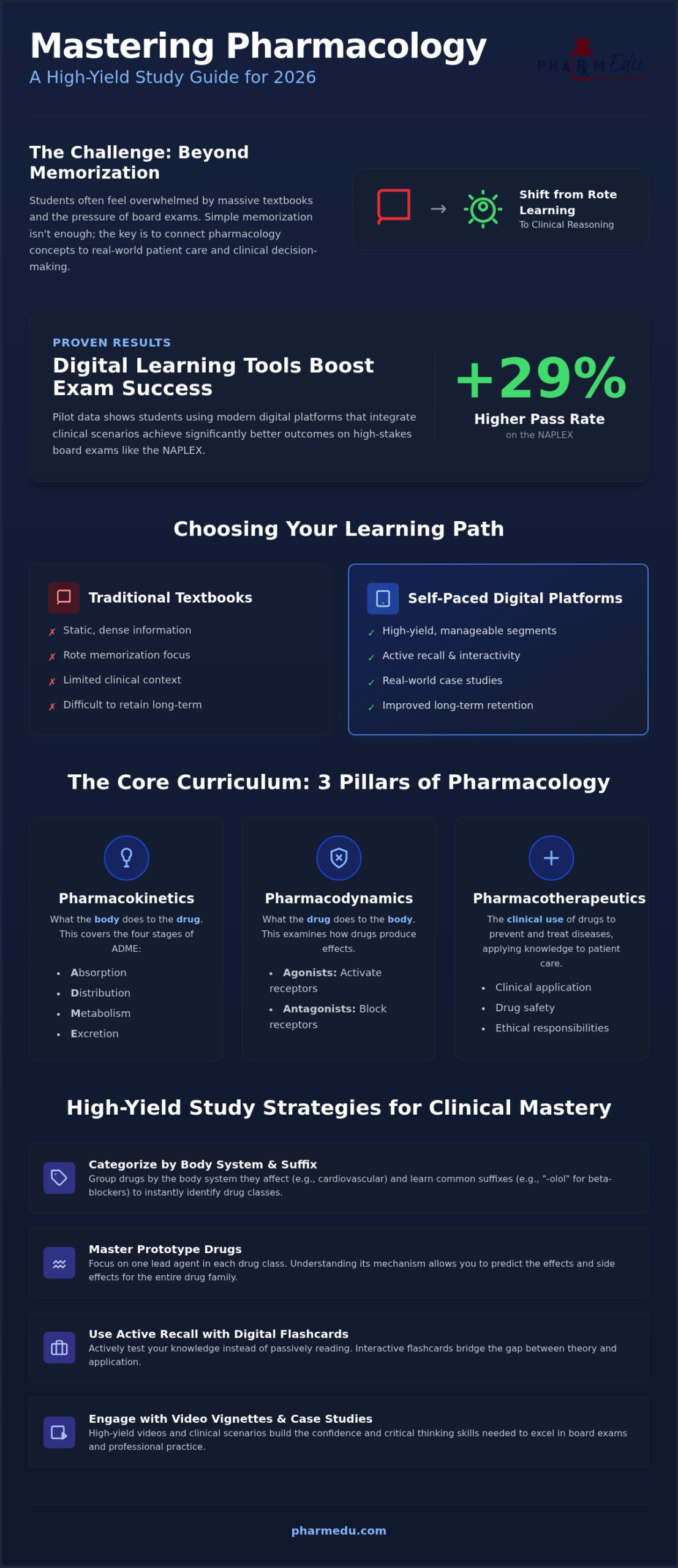
We understand that the volume of information often feels like a barrier to your professional growth. This guide promises to help you master complex drug classifications and the mechanism of action for essential medications using high-yield study strategies that ensure you excel in your coursework. You’ll discover a structured way to categorize drugs that improves exam retention and builds your confidence in clinical decision-making. We’ll preview the most effective learning frameworks for 2026, including how to leverage digital tools that, according to 2025 pilot data, have helped students achieve a 29 percent higher pass rate on the NAPLEX through clinical integration.
Key Takeaways
- Master the fundamental principles of pharmacokinetics and pharmacodynamics to transform your pharmacology class from a memorization burden into a clinical roadmap.
- Learn to categorize drugs by body system and identify drug classes instantly using high-yield suffix identification techniques.
- Understand the strategic advantages of using self-paced digital platforms over traditional textbooks to improve your long-term information retention.
- Implement active recall strategies through interactive pharmacology flashcards to bridge the gap between academic theory and real-world clinical application.
- Discover how high-yield video vignettes and clinical case studies build the necessary confidence to excel in high-stakes board exams like the NCLEX or NAPLEX.
Understanding the Scope of a Modern Pharmacology Class
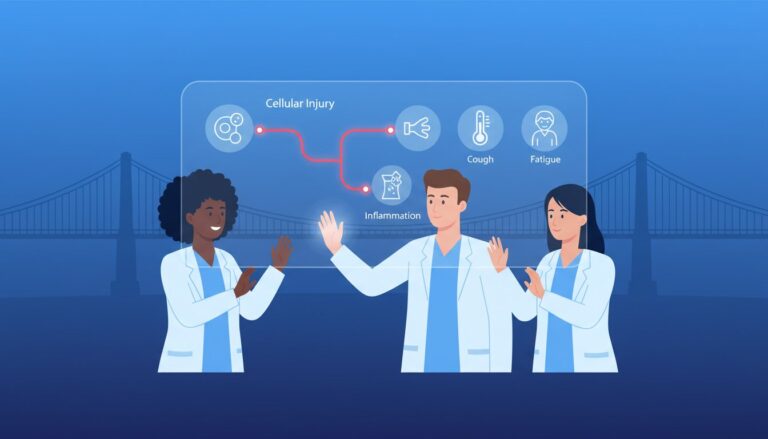
At its core, Pharmacology is the scientific study of how chemical substances interact with living systems to produce a biological effect. For students entering the healthcare field in 2026, this discipline represents the critical bridge between theoretical science and bedside safety. It isn’t merely a list of drug names; it’s the study of drug action and the clinical significance of every intervention you’ll eventually perform. Your pharmacology class acts as the ultimate synthesis of anatomy, physiology, and chemistry. You aren’t just learning what a drug does. You’re learning how it alters cellular function to change a patient’s life.
Many nursing and pharmacy students view this course as the “make or break” hurdle of their education. The stakes are high because pharmacology requires more than just memorization. It demands a shift toward clinical reasoning. In 2026, the curriculum has moved away from rote learning. Instead, it focuses on how a clinician uses drug data to make split-second decisions. If you can’t connect a drug’s mechanism to a patient’s underlying physiology, you risk failing not just your exams, but your future patients. This course tests your ability to think critically under pressure, making it the ultimate preparation for high-stakes board exams.
The Evolving Curriculum: Beyond the Textbook
If you find the “make or break” nature of this subject daunting, you can explore Private Home Tuition Matching to find a dedicated tutor who can help you navigate the complexities of your coursework.
The days of lugging a 1,000-page physical pharmacology study guide are fading. Modern education utilizes digital platforms that deliver high-yield information in manageable segments. This shift is necessary because the field is expanding rapidly. Today’s classes include complex topics like pharmacogenomics, where we study how a person’s genes affect their response to drugs. This personalized medicine approach means moving from generic drug lists to patient-centered outcomes. You’re learning to tailor therapy to the individual, not just the diagnosis.
Key Learning Objectives for Healthcare Students
Success in your pharmacology class depends on mastering a few core pillars. First, you must understand drug classifications and prototypes. By learning one prototype drug in a class, you can predict the actions of dozens of related medications. Second, you’ll tackle the legal and ethical responsibilities of drug administration, which are more stringent than ever. Finally, a primary objective is safety. You need to distinguish between common side effects, like a dry mouth, and life-threatening adverse reactions, such as anaphylaxis or Stevens-Johnson syndrome. Mastering these distinctions is what separates a student from a competent healthcare professional.
The Core Curriculum: What Every High-Yield Course Must Cover
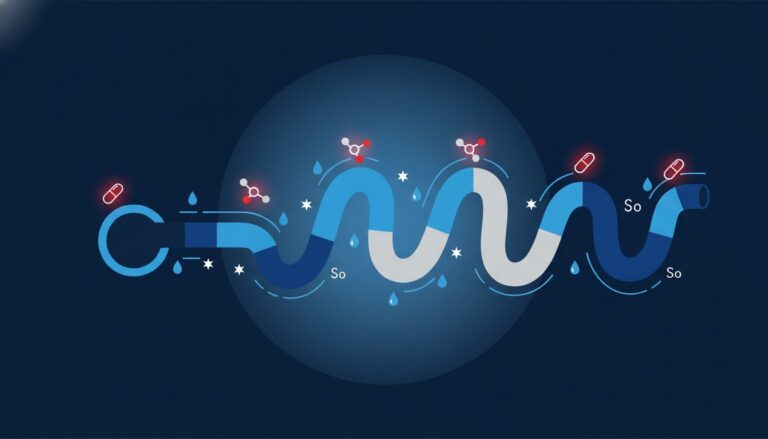
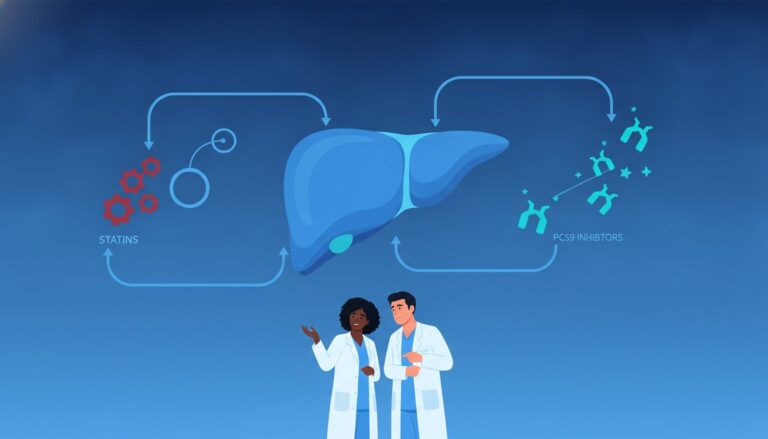
A standardized pharmacology course curriculum typically centers on the “Big Three” pillars: pharmacokinetics, pharmacodynamics, and pharmacotherapeutics. Understanding these concepts is the first step in moving from confusion to clarity. Pharmacokinetics tracks how the body processes a drug; pharmacodynamics examines how that drug changes the body. Pharmacotherapeutics then applies this knowledge to treat specific diseases. Instead of viewing every medication as a unique entity, successful students categorize drugs by body system. This organizational strategy helps you manage the sheer volume of information presented in a modern pharmacology class.
Focusing on prototype drugs is another essential strategy for long term retention. A prototype is the lead agent in a drug class that represents the characteristics of all other members. For example, mastering one specific beta-blocker allows you to predict the effects, side effects, and nursing considerations for the entire family. You’ll also need a firm grasp of the regulatory environment, including the FDA approval process and the five schedules of controlled substances, which dictate how you’ll handle medications in a clinical setting.
Pharmacokinetics and Pharmacodynamics Simplified
To master pharmacokinetics, you must understand the ADME acronym: Absorption, Distribution, Metabolism, and Excretion. These four stages determine how quickly a drug works and how long it stays in the system. On the pharmacodynamics side, drugs act as either agonists or antagonists. Agonists “turn on” a receptor to produce a response, while antagonists “block” receptors to prevent an action. Clinicians must also monitor the therapeutic index, which is the safety window between a drug’s effective dose and its toxic level. Medications with a narrow therapeutic index require precise dosing and frequent blood monitoring to ensure patient safety.
High-Yield Drug Classes to Prioritize
While hundreds of drugs exist, specific classes appear more frequently on exams and in clinical practice. Cardiovascular agents are a top priority. You’ll need to understand how ACE Inhibitors, beta-blockers, and diuretics manage blood pressure and heart failure. Antimicrobials are equally critical, requiring you to understand spectrum of activity and the growing threat of antibiotic resistance. Finally, psychotropic medications demand attention due to their complex side effect profiles and potential for drug-drug interactions. If you find these categories overwhelming, using interactive pharmacology flashcards can help reinforce these connections through active recall.
Online vs. Traditional Classrooms: Choosing Your Learning Path
Traditional university lectures provide structured environments and direct access to faculty, yet they often struggle with the sheer volume of material required in a 2026 pharmacology class. Sitting through a sixty-minute lecture on autonomic nervous system drugs can lead to cognitive fatigue. Conversely, self-paced digital platforms have become the standard for a comprehensive pharmacy review. These platforms allow you to pause, rewind, and master difficult concepts at your own speed. Many top-tier programs now utilize a “flipped classroom” model. In this setup, you review core concepts online before attending in-person sessions focused on Clinical Case Studies and high-level application. A 2025 study noted that 68 percent of top-ranked pharmacy programs now integrate these AI-powered platforms to provide personalized learning paths.
When evaluating an online course, look for scientific accuracy and alignment with current board standards. A quality program should offer more than just static slides. It should provide a roadmap for clinical reasoning that translates directly to patient safety.
The Benefits of Micro-Learning in Pharmacology
Retention rates drop significantly after the twenty-minute mark in traditional settings. Micro-learning solves this by breaking complex topics into 10-minute segments, such as High-Yield Video Vignettes. This approach leverages spaced repetition, a proven method for moving information from short-term to long-term memory. Because modern platforms are mobile-compliant, you can study between patient rounds or during clinical rotations. It’s about making every spare minute productive without the burnout associated with marathon study sessions.
Institutional Support and Progress Tracking
Digital tools aren’t just for students. Faculty members often utilize an Institutional Platform License to monitor class-wide performance and identify gaps in understanding. By analyzing data from Pharmacology Practice Quizzes, instructors can identify struggling students before they fail a major exam. These standardized assessments are highly predictive of success on the NCLEX or NAPLEX. While some students rely on an individual PharmEDU Annual Subscription, institutional integration ensures that the entire cohort stays on track with the latest pharmacological standards and drug scheduling updates. This data-driven approach removes the guesswork from academic success, providing a clear path toward professional licensure.
Strategic Study Methods: How to Ace Your Pharmacology Coursework
Mastering a pharmacology class requires a transition away from the “brute force” memorization many students attempt. Success in this discipline is built on pattern recognition and active engagement rather than passive reading. By implementing a structured four-step strategy, you can transform a mountain of drug data into a manageable clinical framework:
- Step 1: Focus on the chemical suffix to identify drug classes instantly.
- Step 2: Utilize active recall through Interactive Pharmacology Flashcards to strengthen neural pathways.
- Step 3: Apply theoretical knowledge using Clinical Case Studies to simulate real-world patient scenarios.
- Step 4: Take regular Pharmacology Practice Quizzes to identify and bridge your specific knowledge gaps before exam day.
Memory Hacks and Mnemonics
Visual associations are powerful tools for remembering complex side effect profiles. For example, you might associate “orange” with the drug rifampin to remember it discolors body fluids. The “Teach-Back” method is another essential tactic for deep learning. If you can’t explain a drug’s mechanism of action to a peer, you haven’t mastered the concept well enough for clinical practice. You should also avoid studying drug names in alphabetical order. This common mistake leads to interference, where similar-sounding names like “prednisone” and “propranolol” become blurred in your memory. Grouping medications by their therapeutic class or mechanism is always more effective for long-term retention.
Preparing for the Midterm and Final Exam
As you prepare for major assessments, efficiency is your most valuable asset. Use a pharmacology study guide for nursing students to distinguish between “Must-Know” prototype drugs and “Nice-to-Know” secondary agents. Your pharmacology class exams will likely focus heavily on the prototypes that represent an entire class. To manage the dense scientific material without burning out, implement the 50/10 rule: study with absolute focus for 50 minutes, followed by a 10-minute complete break. This rhythm keeps your brain fresh and receptive to new information. To ensure you’re fully prepared for your next assessment, explore our comprehensive study modules and start building your clinical confidence today.
Beyond the Classroom: Leveraging PharmEDU for Clinical Mastery
The transition from a classroom environment to a professional setting is often where the greatest challenges arise for healthcare students. While your pharmacology class provides the necessary scientific background, PharmEDU serves as a digital mentor to translate that data into clinical proficiency. In 2026, the pharmacological landscape is shifting rapidly with the introduction of advanced SGLT2 inhibitors and GLP-1 agonists. Understanding these newer agents requires a commitment to lifelong learning that extends far beyond the final exam. Staying current isn’t just about passing a test; it’s about ensuring patient safety through a deep understanding of evolving pharmacotherapy.
High-Yield Video Vignettes provide a powerful tool for visual learners to see these drug actions in a clinical context. By simulating real-world scenarios, these vignettes help you move past rote memorization toward a deeper understanding of patient outcomes. This level of preparation is essential for passing the NAPLEX or NCLEX, where the focus has shifted toward complex clinical reasoning, gene therapies, and pharmacogenomics. When you can visualize the patient behind the prescription, the information sticks.
PharmEDU Features for Student Success
Students can access over 100 high-yield topics through micro-learning segments designed for maximum information retention. These modules are perfect for busy schedules, allowing you to master a specific drug class during a lunch break or between clinical shifts. The platform also includes Pharmacology Practice Quizzes that allow you to benchmark your progress against national standards. This data-driven feedback ensures you know exactly where you stand before sitting for high-stakes board exams. If you’re looking for focused, short-term support during finals week, the PharmEDU Monthly Subscription provides a flexible way to access these professional-grade resources without a long-term commitment.
From Student to Clinician
Building the confidence to discuss complex medication regimens with physicians and patients is a hallmark of a successful healthcare professional. Foundational mastery of your pharmacology class material is the best defense against medication errors, which are often the result of a lack of understanding regarding drug-drug interactions or contraindications. When you truly grasp the mechanism of action, you aren’t just following a protocol; you’re making informed decisions that protect your patients. Precision in education leads to precision in practice. Ready to master your curriculum and secure your professional future? Start your PharmEDU subscription today and bridge the gap to clinical mastery.
Securing Your Future in Clinical Excellence
Succeeding in your pharmacology class doesn’t have to be a source of academic anxiety. By shifting your focus from isolated drug names to broader clinical frameworks and high-yield suffix identification, you’ve already taken the first step toward professional mastery. We’ve explored how modern digital tools and active recall strategies can replace the traditional, overwhelming textbook approach with a structured roadmap for success. Whether you’re preparing for the NCLEX, NAPLEX, or your next clinical rotation, the key lies in consistent, high-impact study habits that prioritize patient safety and clinical reasoning over rote memorization.
PharmEDU provides the exact resources you need to bridge the gap between theory and practice. With over 100 high-yield topics delivered through mobile-compliant micro-learning segments, our platform was designed by healthcare educators to fit your busy schedule and ensure long-term retention. It’s time to move beyond survival and start excelling in your healthcare journey. You have the potential to master this subject; we provide the tools to make it happen.
Join PharmEDU to Ace Your Pharmacology Class and build the confidence required for a lifetime of clinical excellence.
Frequently Asked Questions
What is the hardest part of a pharmacology class?
The most challenging aspect of a pharmacology class is often the transition from rote memorization to clinical application. Students frequently struggle with the overwhelming volume of drug classes and the intricate details of their mechanisms of action. It isn’t just about knowing a name; it’s about understanding how a medication alters human physiology and predicting its effects on a patient’s health. This requires a shift toward critical thinking and synthesis of prior knowledge.
How many hours a week should I study for pharmacology?
Most successful students dedicate between 10 and 15 hours per week to studying for their pharmacology class. However, the quality of your study sessions matters more than the quantity of hours. Utilizing active recall strategies, such as using Interactive Pharmacology Flashcards for 20 minutes daily, is far more effective than marathon reading sessions. Spreading your learning into micro-sessions throughout the week helps prevent cognitive fatigue and significantly improves long-term information retention.
Can I take a pharmacology class online for college credit?
Yes, many accredited universities offer online pharmacology courses for college credit as of 2026. Institutions like UMass Lowell and Doane University provide 3-credit courses ranging from approximately $1,100 to $1,800. It’s essential to verify that the course meets your specific program’s requirements and is accredited by bodies like the ACPE. While PharmEDU provides comprehensive review materials to help you succeed in these courses, we are a review platform and not a degree-granting institution.
What are the best resources for nursing pharmacology?
The most effective resources for nursing students include digital platforms that offer micro-learning segments and clinical application tools. High-Yield Video Vignettes and Clinical Case Studies are superior to traditional textbooks because they simulate the decision-making process required in the field. These tools help you visualize the patient behind the medication. Additionally, focusing on prototype drugs within each class allows you to understand dozens of related medications by mastering just one representative agent.
How do I memorize drug classifications quickly?
The fastest way to memorize drug classifications is by focusing on common suffixes and prototype medications. Suffixes like “-olol” for beta-blockers or “-pril” for ACE inhibitors allow you to identify a drug’s class and primary mechanism instantly. Once you identify the class, you can apply the characteristics of the “prototype” drug to all other members of that group. This method reduces the need for individual memorization and builds a logical framework for your entire coursework.
Is pharmacology harder than anatomy and physiology?
Whether pharmacology is harder than anatomy and physiology depends on your learning style, but it is generally considered more complex. Anatomy and physiology provide the foundational map of the human body, while pharmacology explains how to intervene in that map using chemical substances. It requires you to synthesize your knowledge of body systems with chemical interactions. Many students find it more difficult because it demands higher-level clinical reasoning rather than just identifying structures.
How does PharmEDU help with board exam preparation?
PharmEDU streamlines board exam preparation by focusing exclusively on the 100+ high-yield topics most likely to appear on the NCLEX or NAPLEX. Our platform uses Pharmacology Practice Quizzes to benchmark your performance against national standards, identifying exactly where you need more focus. By providing micro-learning segments and Clinical Case Studies, we bridge the gap between classroom theory and the clinical reasoning required to pass high-stakes licensure exams on your first attempt.
What is a high-yield video vignette in pharmacology education?
A high-yield video vignette is a short, focused educational video that presents a specific clinical scenario involving medication administration. Unlike long, traditional lectures, these vignettes concentrate on the most critical, testable information required for clinical safety and exam success. They help visual learners see how drug mechanisms and side effects manifest in real patients. This micro-learning approach is designed to maximize retention by delivering complex information in manageable, high-impact segments accessible on mobile devices.