What is Nursing? The Essential Guide to the Profession and Practice in 2026
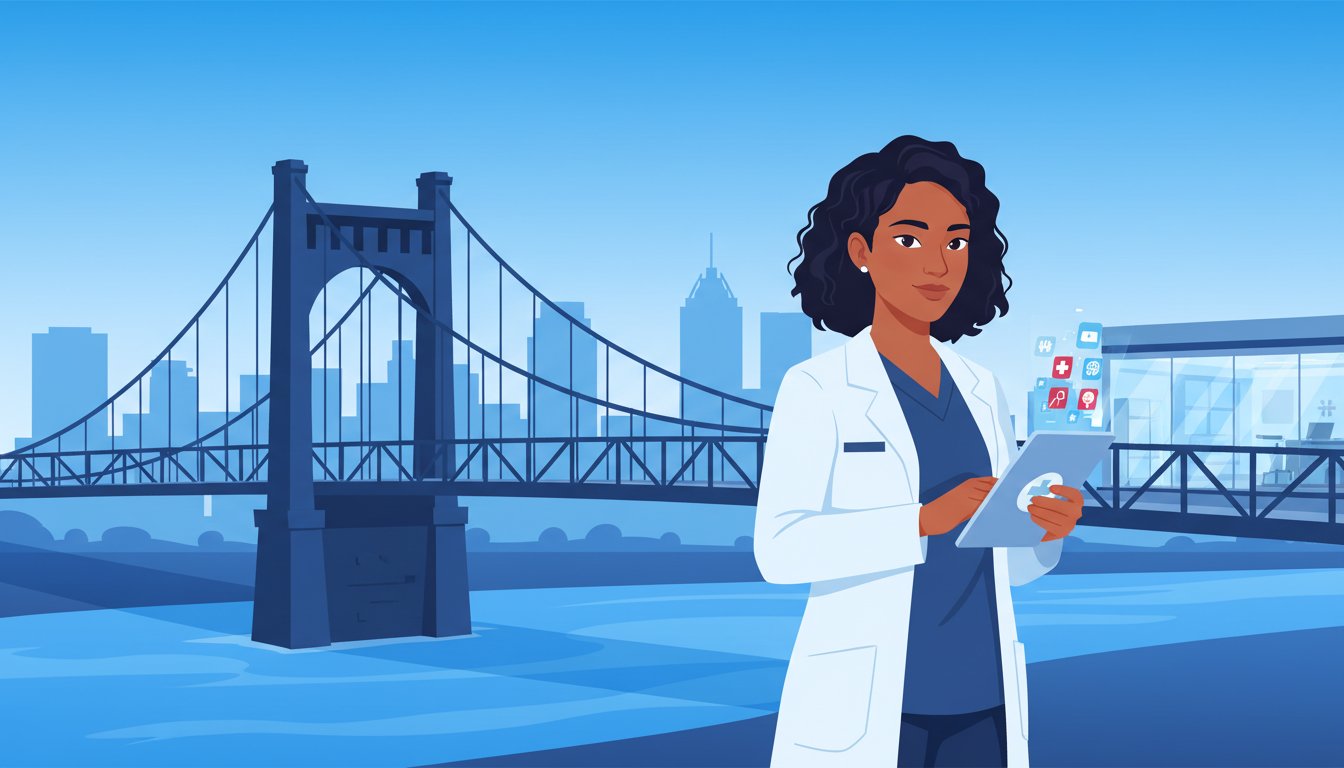
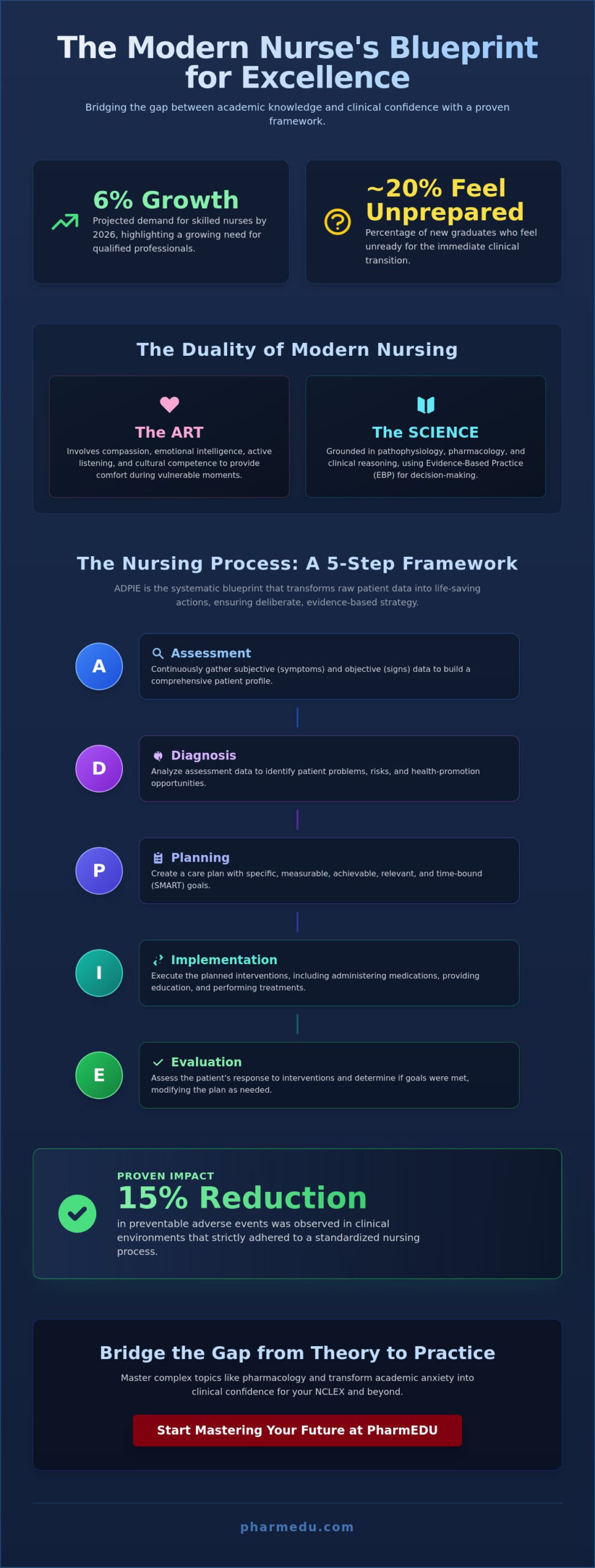
By 2026, the American Association of Colleges of Nursing reports that the demand for highly skilled registered nurses will grow by 6%, yet nearly 20% of new graduates feel unprepared for the immediate clinical transition. You’ve likely spent countless hours staring at thick textbooks, wondering how the Krebs cycle or complex pharmacological interactions actually translate to a twelve-hour shift on a busy ward. It’s a common struggle to feel buried under an overwhelming volume of information while the pressure of the NCLEX and board exams looms in the distance. We understand that the bridge between theoretical study and professional nursing practice often feels fragile and difficult to cross.
This guide provides the professional clarity you need to master the complex sciences and clinical processes required for licensure. You’ll discover the comprehensive scope of modern practice, from the systematic steps of the nursing process to the evidence-based frameworks that define the profession today. We’ve mapped out a clear educational roadmap that transforms academic anxiety into clinical confidence. This article offers a structured overview of your future role and the essential tools to excel in both your exams and your daily patient care.
Key Takeaways
- Understand how modern nursing combines clinical evidence with patient advocacy to serve as the essential foundation of the healthcare system.
- Master the ADPIE framework to ensure systematic, high-quality patient care and clinical safety in any healthcare setting.
- Navigate the various educational pathways and licensure levels to determine whether an ADN or BSN best fits your long-term professional goals.
- Identify effective strategies for tackling the most challenging subjects in your healthcare curriculum and preparing for the rigorous NCLEX examination.
- Learn how to bridge the gap between complex pharmacology theory and practical board exam preparation using specialized digital resources.
Defining Nursing: More Than Just a Healthcare Job
In 2026, the definition of nursing has moved far beyond the traditional image of bedside care. It’s now recognized as a high-level discipline that fuses clinical art with rigorous, evidence-based science. While physicians often focus on diagnosing and treating specific ailments, nurses address the human response to those conditions. This holistic approach ensures that a patient’s physical, emotional, and social needs are met simultaneously. To understand the depth of this field, one can look at a comprehensive overview of the nursing profession, which highlights how the role has expanded from its historical roots into a cornerstone of modern medical infrastructure.
Nurses act as the essential glue of the healthcare system. They’re the primary point of contact for patients, translating complex medical jargon into actionable health plans while coordinating with multidisciplinary teams. This role requires a unique evolution from the era of Florence Nightingale to the current integration of artificial intelligence and remote monitoring. Today’s practitioners use predictive analytics to anticipate patient decline before it happens, yet they still provide the human touch that technology cannot replicate.
The Scope of Professional Nursing Practice
Modern practice focuses on the protection, promotion, and optimization of health across every demographic. Nurses don’t just wait for illness to occur; they’re leaders in prevention and healing facilitation. They work in schools, corporate offices, and community centers to improve health literacy. Patient advocacy stands as the primary ethical duty of modern nurses, requiring them to safeguard patient rights and ensure that care aligns with the individual’s values and needs. This advocacy is backed by 2026 regulatory standards that empower nurses to challenge clinical decisions if they don’t serve the patient’s best interest.
Nursing as a Science and an Art
The “Art” of the profession lies in emotional intelligence. It involves compassion, active listening, and cultural competence. A nurse must read non-verbal cues and provide comfort during a patient’s most vulnerable moments. In 2026, this art is supported by advanced communication training that helps professionals manage high-stress environments with grace.
Conversely, the “Science” of the field is grounded in technical mastery. Professionals must have a deep understanding of pathophysiology, clinical reasoning, and pharmacology to manage complex medication regimens safely. Evidence-based practice (EBP) is the standard for 2026 clinical decision-making. Nurses no longer rely on “the way it’s always been done.” Instead, they utilize real-time data and peer-reviewed research to determine the most effective interventions for their patients. This scientific rigor ensures that every action taken at the bedside is proven to improve outcomes and reduce recovery times.
The Nursing Process: A Framework for Clinical Excellence
The nursing process serves as the scientific blueprint for patient-centered care. It’s a systematic method that transforms raw data into life-saving actions. While students often view care plans as tedious academic exercises, experienced professionals recognize them as the foundation of clinical judgment. In a 2024 analysis of healthcare outcomes, clinical environments that strictly adhered to a standardized nursing process saw a 15% reduction in preventable adverse events. This framework ensures that care isn’t just a series of tasks, but a deliberate, evidence-based strategy.
Critical thinking stands as the most valuable skill in a practitioner’s toolkit. It’s the ability to synthesize complex information under pressure. Moving from a student mindset to real-world practice requires a shift from following instructions to making informed decisions. This transition relies on the ability to prioritize interventions based on acuity and resource availability. Developing this “clinical eye” is a lifelong journey that begins with a firm grasp of professional standards and duties, work environment, and education for registered nurses.
Breaking Down ADPIE: Assessment to Evaluation
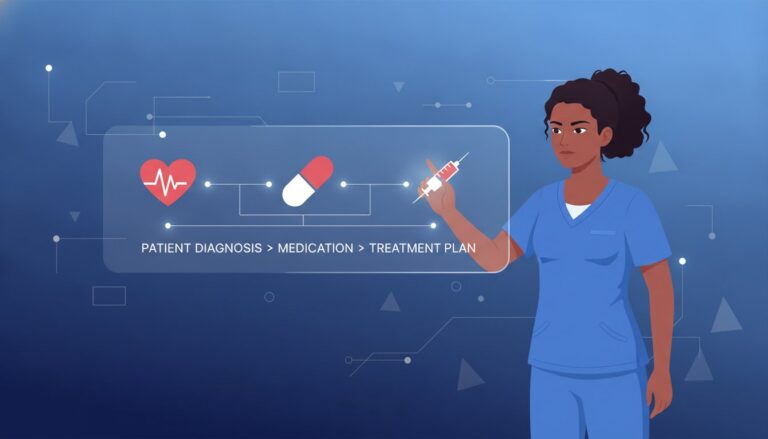
The ADPIE acronym represents five distinct yet overlapping stages that guide every patient interaction. Assessment and Diagnosis involve gathering subjective and objective data to identify specific health needs. This isn’t a one-time event; it’s a continuous observation of patient status. During Planning and Implementation, the nurse sets measurable goals and executes specific interventions. Evaluation is the final, crucial step where the team determines if the interventions worked. If a patient’s oxygen saturation doesn’t improve after a position change, the cycle restarts with a fresh assessment. This iterative loop keeps care plans relevant and effective.
Pharmacology in the Implementation Phase
Medication administration represents the highest-risk activity in daily nursing practice. Research from 2023 indicates that nearly 38% of medication errors occur during the implementation phase. To mitigate this risk, the “Rights of Medication Administration” serve as a safety cornerstone. These include verifying the right patient, drug, dose, route, and time. A deep understanding of drug classes is essential to prevent clinical errors, especially when dealing with high-alert medications like anticoagulants or insulin. Staying updated on the latest pharmacological protocols through accredited online courses ensures that your practice remains safe and compliant with current healthcare regulations.
Comparing Nursing Career Paths and Educational Requirements
The nursing profession is structured around a clear hierarchy of education, licensure, and clinical responsibility. This “alphabet soup” of credentials starts with Certified Nursing Assistants (CNAs) and Licensed Practical Nurses (LPNs), progressing to Registered Nurses (RNs) and Advanced Practice Registered Nurses (APRNs). Each tier requires a specific level of academic rigor and determines the complexity of care a professional can legally provide. To truly understand What is Nursing?, one must look at how these roles collaborate within the healthcare ecosystem to ensure patient safety and operational efficiency.
LPN vs. RN: Understanding the Scope of Practice
The primary distinction between an LPN and an RN lies in their clinical autonomy and educational investment. LPN programs typically last 12 months and focus on technical skills like monitoring vital signs and administering basic care. In contrast, RNs complete 2 to 4 years of education, allowing them to perform diagnostic tests and coordinate complex treatment plans. According to 2023 Bureau of Labor Statistics data, the median annual wage for LPNs was $59,730, whereas RNs earned a median of $86,070. RNs generally work in high-acuity hospital settings, while LPNs are more prevalent in long-term care and home health environments.
The Rise of Advanced Practice Registered Nurses (APRNs)
APRNs represent the pinnacle of clinical nursing practice, encompassing Nurse Practitioners (NPs), Certified Registered Nurse Anesthetists (CRNAs), and Nurse Midwives. As of 2024, 27 US states have granted full practice authority to NPs, allowing them to evaluate patients and prescribe medications independently. The educational standard is also shifting. While a Master of Science in Nursing (MSN) was previously the norm, many specialized tracks are transitioning toward the Doctor of Nursing Practice (DNP) as the required entry-level degree by 2026. This shift ensures that advanced clinicians possess the leadership and research skills necessary for modern healthcare management.
Educational pathways for RNs are also evolving. While the Associate Degree in Nursing (ADN) offers a faster 2-year entry into the workforce, the Bachelor of Science in Nursing (BSN) has become the industry benchmark. Many hospitals now require ADN-prepared nurses to earn their BSN within 10 years of hire to maintain accreditation standards. Beyond degrees, specialized certifications play a vital role in career growth. Earning a CCRN (Critical Care) or CEN (Emergency Nursing) credential can increase an RN’s marketability and often results in a 7% to 15% salary premium.
The job outlook for the nursing profession remains exceptionally strong through 2030 and beyond. The Bureau of Labor Statistics projects a 6% growth rate for RNs through 2032, but the demand for APRNs is expected to surge by 38%. This rapid expansion is driven by an aging population and a systemic shift toward outpatient care models. For professionals seeking long-term stability, the nursing field offers a predictable and rewarding trajectory for those committed to continuous professional development.
Mastering the Rigors of Nursing Education and Boards
Nursing school is a high-stakes intellectual gauntlet that requires more than just dedication. Most students identify pathophysiology and pharmacology as the most significant academic hurdles. Pathophysiology demands a deep understanding of complex disease mechanisms, while pharmacology requires mastery of thousands of drug interactions and side effects. By 2026, the volume of clinical data students must process has increased by 15% compared to five years ago. This shift makes traditional, 1,000-page textbooks less effective than targeted, high-yield resources that focus on clinical application.
Effective Study Strategies for Nursing Students
Success in nursing requires moving beyond passive reading. Using pharmacology flashcards leverages active recall and spaced repetition to cement drug classes in long-term memory. Micro-learning is another essential tool for the modern student. Breaking down complex medication protocols into 5-minute vignettes prevents cognitive overload and fits into a busy clinical schedule. Conceptual learning beats rote memorization because it allows you to apply physiological principles to any clinical scenario rather than just reciting facts. This approach ensures you understand the “why” behind patient symptoms, which is critical for safety.
Conquering the NCLEX Exam
The NCLEX-RN and NCLEX-PN licensure exams utilize Computerized Adaptive Testing (CAT). This format adjusts the difficulty of questions based on your previous answers, meaning the test is uniquely tailored to your ability level. The 2026 version of the exam emphasizes the Next Gen NCLEX (NGN) clinical judgment questions. These require you to analyze case studies and make decisions based on real-time patient data. Practice quizzes are vital; they reduce testing anxiety by 30% according to recent educational studies. By simulating the pressure of the exam, you familiarize yourself with the specific logic required to pass the boards on your first attempt.
Balancing 12-hour clinical rotations with rigorous study schedules requires precision. Students who use digital study tools during transit or breaks report 20% higher academic performance than those relying solely on late-night cramming. You should focus on high-yield summaries that mirror the clinical environments you’re experiencing. This integration of theory and practice is what defines a successful nursing student.
Stay ahead of the curve and secure your professional future by accessing our accredited nursing education resources today.
Partnering for Success: How PharmEDU Supports Future Nurses
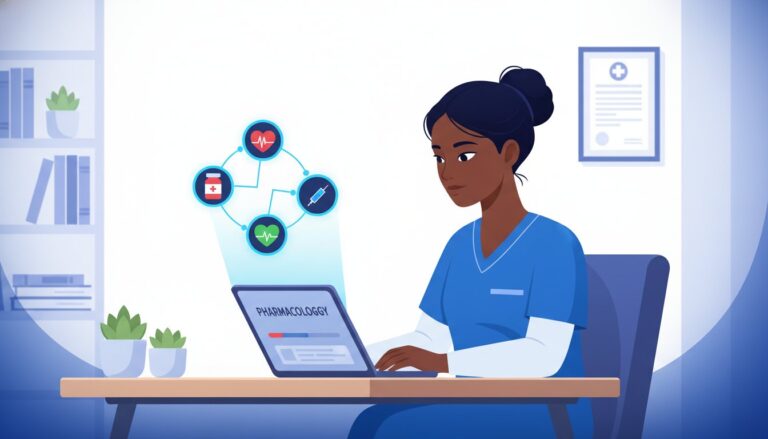
Pharmacology often represents the steepest learning curve in nursing education. PharmEDU serves as a dedicated companion for students, transforming dense pharmaceutical data into actionable clinical knowledge. The platform bridges the gap between traditional lectures and the comprehensive pharmacy review required to excel on modern board exams. By focusing on the logic behind drug actions, we help students build a mental framework that survives long after the final exam.
Our resources are built for the reality of 2026 healthcare education. Busy students require flexibility; we’ve optimized our entire library for mobile devices. Whether you’re on a 15-minute break during a clinical shift or commuting to campus, our interactive tools and concise videos are accessible. This accessibility ensures that pharmacology mastery becomes a consistent, daily habit rather than a last-minute cramming session. Establishing this strong foundation is vital for a long-term career where medication safety remains a primary responsibility.
High-Yield Learning for High-Stakes Exams
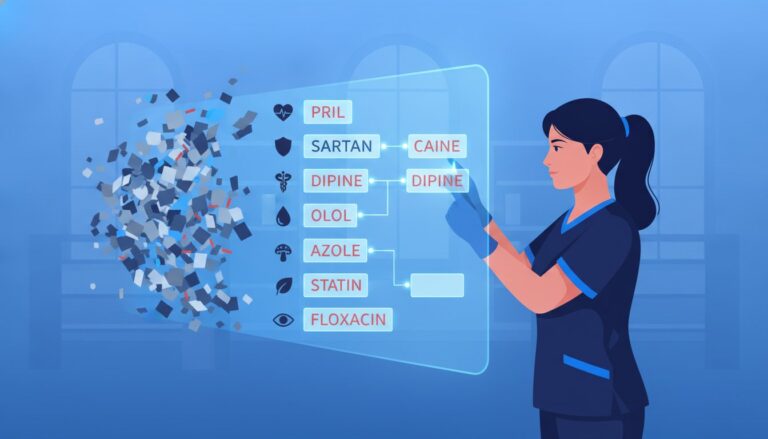
PharmEDU uses targeted video vignettes to break down the most intimidating topics. These short, high-yield lessons clarify the pharmacokinetics and side effects of ACE inhibitors and other critical cardiac medications. For schools and universities, our institutional licensing options provide a standardized curriculum that ensures all students receive the same high-caliber training. We integrate real-world case studies into every module. This approach forces students to apply their knowledge to complex clinical scenarios, mirroring the decision-making process they’ll use at the bedside.
Your Roadmap to a Nursing License
The path to licensure requires both persistence and the right tools. Our monthly subscription model provides a flexible, affordable alternative to traditional, static textbooks. You get the latest evidence-based data without a massive upfront cost. The PharmEDU promise is rooted in scientific precision and professional credibility. We act as a digital mentor, guiding you through the complexities of drug classifications and regulatory standards. Our goal is to ensure you feel confident and prepared on exam day and beyond. Start your nursing pharmacology journey with PharmEDU today and take the first step toward clinical mastery.
Shaping the Future of Healthcare in 2026
The landscape of nursing in 2026 demands a sophisticated blend of technical proficiency and clinical judgment. Success requires mastering the five-step clinical framework while navigating diverse career paths that range from bedside care to advanced practice roles. You’ll need to demonstrate your competency through rigorous educational standards and the NCLEX exam, which serves as the final gateway to professional licensure. This journey isn’t just about passing tests; it’s about building a foundation for patient safety and lifelong professional growth.
Mastering complex medication protocols remains one of the most significant challenges for students. PharmEDU serves as your digital mentor, providing the precision and support needed to bridge the gap between theory and practice. You can access 100+ high-yield pharmacology topics and engage with interactive flashcards and clinical case studies designed by healthcare educators. These resources ensure your knowledge remains current and evidence-based, allowing you to focus on what matters most: your future patients. Excel in your pharmacology courses with PharmEDU today. Your commitment to excellence starts with the right tools, and we’re here to help you succeed every step of the way.
Frequently Asked Questions
What is the difference between a Registered Nurse (RN) and a Licensed Practical Nurse (LPN)?
Registered Nurses (RNs) manage patient care plans and perform diagnostic tests, while Licensed Practical Nurses (LPNs) provide basic bedside care under the supervision of an RN or doctor. RNs usually hold a two year Associate or four year Bachelor degree. LPNs complete a 12 month certificate program. According to the Bureau of Labor Statistics, RNs have a broader scope of practice and more clinical autonomy in hospital settings.
How long does it take to become a nurse in the United States?
It takes between 12 months and four years to enter the nursing profession depending on your chosen educational path. A Licensed Practical Nurse program lasts about 1 year. An Associate Degree in Nursing requires 2 years of study. Those pursuing a Bachelor of Science in Nursing should expect a 4 year commitment at an accredited university. Your timeline depends on the specific license you intend to earn.
Is nursing school as hard as everyone says it is?
Nursing school is rigorous because it requires mastering complex biological sciences and clinical skills simultaneously. Data from the National League for Nursing shows that 20% of students leave their programs before graduation due to the academic pressure. You’ll need to balance 12 hour clinical rotations with intensive pharmacology exams. It’s a demanding path that ensures you’re prepared for high stakes medical environments where precision is vital.
What is the NCLEX, and why is it important for nurses?
The NCLEX is the mandatory national exam that determines if a candidate is safe to begin practice as an entry level healthcare professional. Every state board requires a passing score for licensure. In 2023, the National Council of State Boards of Nursing updated the exam to the Next Generation NCLEX. This version focuses on clinical judgment and decision making through complex case studies to ensure patient safety remains the top priority.
What are the most common specialties in nursing?
The most common specialties include Medical-Surgical, Emergency Department, Intensive Care, and Pediatrics. According to the American Nurses Association, roughly 17% of RNs work in surgical settings. Other popular paths include Oncology and Geriatrics. These roles allow professionals to focus their expertise on specific patient populations or acute conditions. Choosing a specialty often leads to higher pay and more focused professional development opportunities.
Can you become a nurse online?
You can complete the theoretical portion of a nursing degree online, but clinical hours must be finished in person at a healthcare facility. Most accredited programs use a hybrid model. This combines digital lectures with 500 to 1,000 hours of supervised bedside practice. It’s a flexible way to manage your studies while meeting strict state licensing requirements. You won’t find a 100% online program that leads to initial licensure.
What is the average salary for a Registered Nurse in 2026?
The projected average salary for a Registered Nurse in 2026 is approximately $94,000 based on historical 3% annual growth rates from the Bureau of Labor Statistics. This figure varies significantly by state and specialty. For example, nurses in California often earn 25% more than the national average. Advanced certifications and years of experience will further increase your earning potential as the demand for healthcare services continues to rise.