Kinesthetic Learning Activities for Pharmacology: 10 Practical Ways to Learn by Doing
What if the fastest way to make a confusing drug class clearer is to put it on the table? When mechanisms, adverse effects, and similar-sounding…

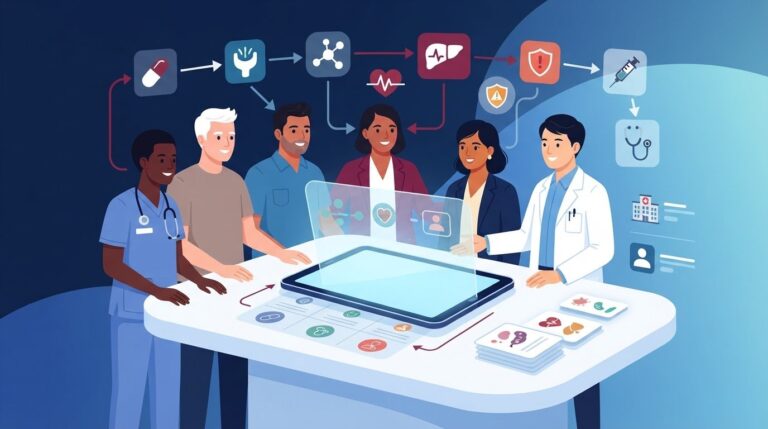
What if the fastest way to make a confusing drug class clearer is to put it on the table? When mechanisms, adverse effects, and similar-sounding…
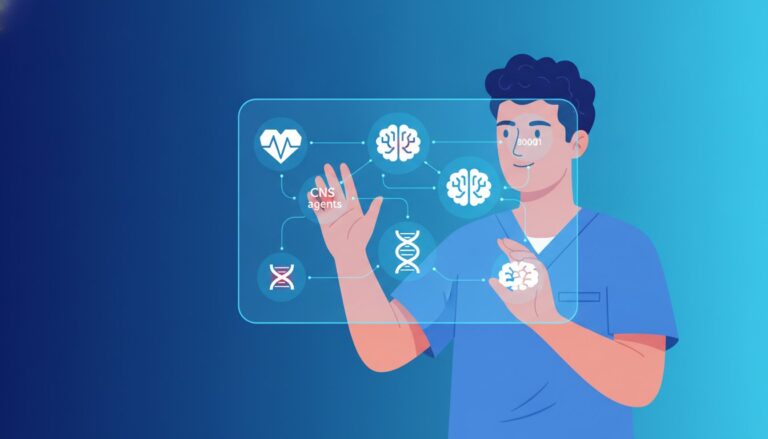
What if the key to remembering a drug isn’t drawing a prettier diagram, but using it to predict what might happen in a patient-care scenario? If drug…

The secret to passing pharmacology isn’t studying more; it’s intentionally studying less of the wrong things. Most students treat their textbooks…

Did you know that by 2026, the average burnout score for pharmacy students has climbed to 43.6, a level that signals a serious crisis in professional…
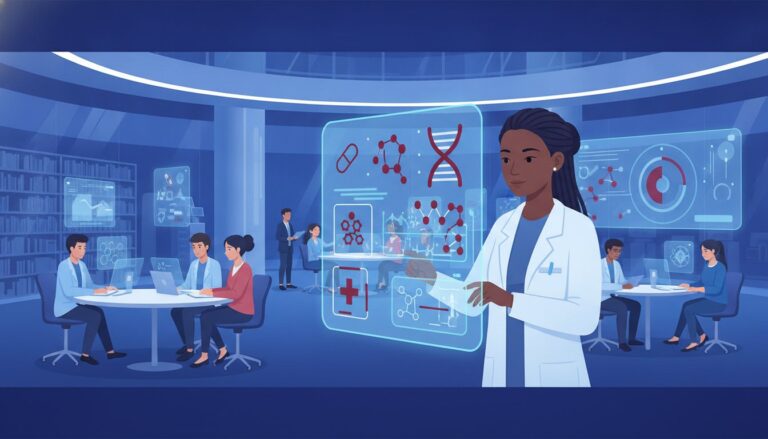
Rote memorization is the fastest way to fail your pharmacology boards in 2026. With U.S. medicine use reaching 210 billion days of therapy in 2025,…
Did you know that the 2026 AACP accreditation mandate represents a 300% increase in high-risk drug classes requiring pharmacogenomic proficiency…
Did you know that without active reinforcement, your brain likely discards roughly half of every new drug mechanism you learn within just 24 hours?…
What if the secret to passing your boards isn’t memorizing more drug names, but learning how to think like a seasoned clinician? Many students spend…
What if your pharmacology class wasn’t a memorization marathon, but a clinical roadmap that actually makes sense when you reach the bedside? It’s a…

What if the secret to passing your 2026 board exams isn’t found in the thousand page textbook gathering dust on your desk? Most healthcare students…