
Mastering Pharmacology Case Studies for Students: The 2026 Guide to Clinical Success
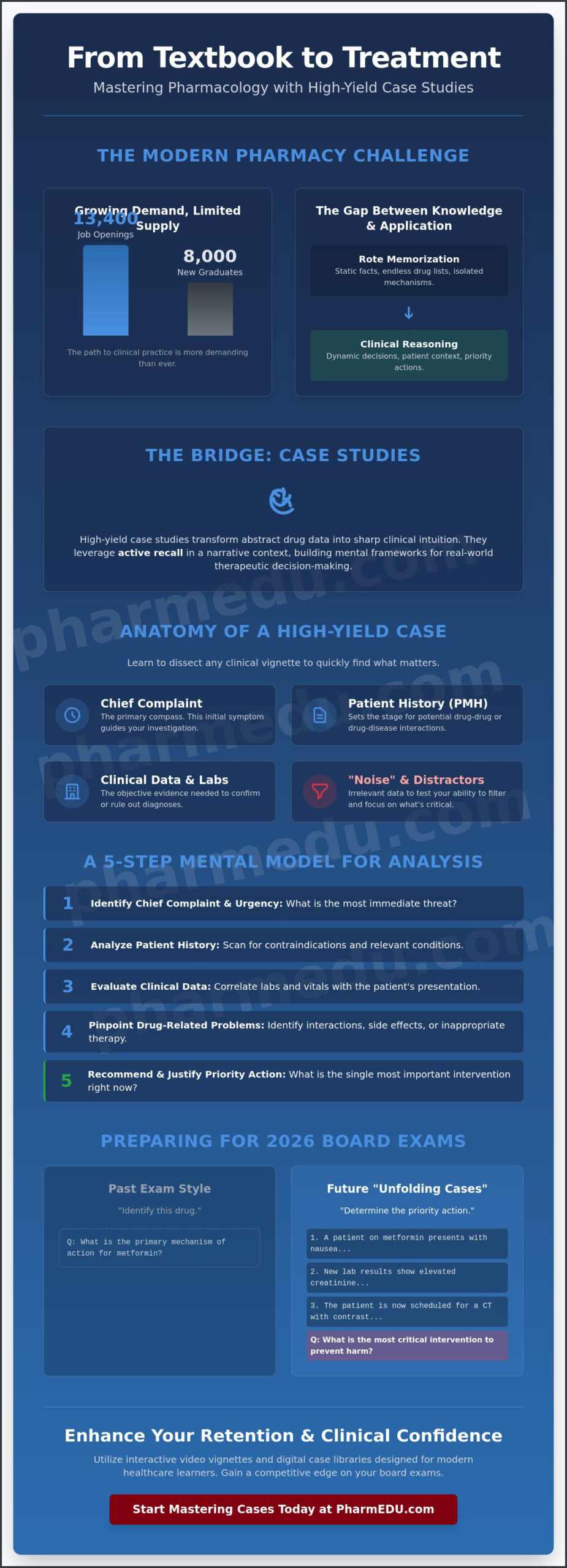
With the U.S. Bureau of Labor Statistics projecting 13,400 pharmacist job openings this year but only 8,000 students graduating, the path to clinical practice is shorter and more demanding than ever. You’ve likely felt the weight of textbook overload, where memorizing endless mechanisms of action feels worlds away from deciding a patient’s actual treatment plan. It’s common to feel anxious about how those static facts translate into the complex, multi-layered questions found on modern board exams. Transitioning from rote memorization to clinical reasoning is the hardest hurdle in pharmacy education, yet it’s the most critical for your future career.
This guide shows you how to use high-yield pharmacology case studies for students to transform that mountain of data into sharp clinical intuition. We’ll explore how to navigate the 2026 educational standards, identify dangerous drug-drug interactions with confidence, and master the reasoning skills needed for both the classroom and the clinic. By the end of this article, you’ll have a clear roadmap to bridge the gap between drug theory and real-world application, ensuring you’re prepared for the professional challenges ahead.
Key Takeaways
- Shift your focus from simple drug memorization to active clinical application by integrating high-yield pharmacology case studies for students into your daily study routine.
- Understand the anatomy of a clinical vignette to quickly identify the chief complaint and relevant pharmacological markers within any complex patient scenario.
- Implement a standardized five-step mental model that prioritizes patient safety and simplifies the analysis of high-risk drug-drug interactions.
- Gain a competitive edge on board exams by mastering the “Big Five” drug categories through immersive cardiovascular and metabolic simulations.
- Enhance your retention and clinical confidence by utilizing interactive video vignettes and digital case libraries designed for modern healthcare learners.
Why Pharmacology Case Studies are Essential for Clinical Mastery
Traditional learning often focuses on the “what” of a drug, its name, class, and basic mechanism. However, clinical mastery requires understanding the “how” and “why” within a specific patient context. Pharmacology case studies for students serve as narrative-driven clinical simulations that bridge this critical gap. Instead of viewing a medication as a static entry in a textbook, you encounter it as a dynamic tool used to manage a patient’s evolving condition. This shift from rote memorization to high-yield application is vital. Real-world medicine rarely presents as a simple list; it arrives as a complex story with competing priorities.
These cases force you to integrate knowledge across multiple disciplines. You can’t effectively recommend a treatment without understanding the underlying disease state. By linking pathophysiology directly to drug therapy, case studies ensure that you aren’t just memorizing isolated facts. You’re building a mental framework for therapeutic decision-making that will serve you throughout your professional life. It’s the difference between knowing a drug’s side effects and knowing when those side effects represent an unacceptable risk for a specific individual.
The Science of Active Recall and Spaced Repetition
Learning through cases leverages the power of active recall. When you’re presented with a patient scenario, your brain must actively retrieve information under a simulated form of “pressure.” This process strengthens neural pathways more effectively than passive reading ever could. Narrative context is the key to long-term retention. It’s much easier to remember that a specific diuretic causes hypokalemia when you’ve “seen” a patient in a case study struggle with the resulting muscle weakness. Understanding the foundational principles of pharmacology is the first step in this journey. If you’re looking for a broader perspective on the field, you might ask, What is Pharmacology? It is the study of how substances interact with living systems, a definition that only truly comes to life when applied to a human story rather than a data table.
Preparing for the Next Generation of Board Exams
The landscape of professional licensing is changing rapidly. In 2026, exams like the NAPLEX and NCLEX are increasingly utilizing “unfolding cases” to test candidates. These questions don’t just ask for a drug name. They provide a scenario that changes as you progress through the prompt. You might start with an admission and move through new lab results to a sudden clinical complication. This mirrors the real-world decision-making found in hospitals and community pharmacies. The focus has moved from “identify this drug” to “determine the priority action.” Using pharmacology case studies for students prepares you for this shift by teaching you to triage information and identify which pharmacological intervention is the most urgent for patient safety.
The Anatomy of a High-Yield Pharmacology Case Study
Every clinical vignette follows a structured pattern designed to test your clinical reasoning. When you work through pharmacology case studies for students, you’ll notice the “chief complaint” acts as your primary compass. This initial symptom or reason for the visit dictates which pharmacological pathways you need to investigate first. If the complaint is acute muscle pain, your mind should immediately scan the patient’s history for statin use or potential rhabdomyolysis triggers. However, high-yield cases often include “noise”—irrelevant data like minor unrelated surgeries or non-contributory family history—to simulate the chaotic nature of real-world practice. Learning to filter this noise is a skill that separates average students from clinical experts who can pinpoint the actual problem quickly.
The past medical history (PMH) is equally vital, as it sets the stage for potential drug-drug or drug-disease interactions. You aren’t just looking for what the patient has; you’re looking for what they shouldn’t take. For example, a history of asthma might make you think twice before recommending a non-selective beta-blocker for hypertension. By dissecting these components, you move beyond simple identification and begin to practice the type of holistic assessment required in modern healthcare environments.
Patient Demographics and Baseline Data
Age and renal function are the primary filters through which you should view every drug recommendation. In many board exam scenarios, the Creatinine Clearance (CrCl) is the most critical piece of data provided because it determines whether a standard dose is therapeutic or toxic. Research on interactive pharmacology case studies highlights how these simulations help students understand that demographics aren’t just numbers. They’re metabolic indicators. For instance, smoking history isn’t just a lifestyle detail; it’s a signal for CYP450 induction, which can significantly lower the serum levels of certain medications. Weight-based dosing remains a frequent trap in pediatric cases, where lean body mass and total body water vary wildly from the “standard” adult profile.
The Medication List: Identifying Red Flags
The current medication list is often where the real danger hides. You’re looking for red flags like contraindicated combinations or the subtle “prescribing cascade.” This occurs when a clinician prescribes a new medication to treat a side effect of an existing drug, rather than adjusting the original therapy. For example, adding a prokinetic agent to treat constipation caused by an opioid is a classic scenario you must recognize. A high-alert medication is any drug that carries a heightened risk of causing significant patient harm when used in error. Mastering these lists is easier when you use Clinical Case Studies that prioritize these high-risk scenarios. Spotting these patterns quickly is essential for both patient safety and scoring high on licensing exams.
Step-by-Step Strategy: How to Approach Complex Patient Scenarios
Approaching a clinical vignette without a plan is a recipe for cognitive overload. Many students make the mistake of jumping straight to the answer choices, but this often leads to “recognition bias,” where you pick an answer that looks familiar rather than one that’s clinically sound. To master pharmacology case studies for students, you need a repeatable mental framework. Before even glancing at the options, ask yourself: “Why this drug, and why now?” This diagnostic question forces you to justify the therapy based on the patient’s current physiological state rather than just matching a drug name to a disease.
The “Safety First” rule should govern every decision you make. In a real-world clinical setting, your first priority isn’t just to heal, but to ensure you don’t cause harm. This same logic applies to board exams. If an answer choice offers a slightly more effective drug but carries a significant risk of a lethal interaction, it’s rarely the correct “priority action.” By following a standardized five-step model, you can systematically strip away the noise and focus on the high-yield data points that lead to the correct therapeutic choice.
Step 1: Identify the Therapeutic Goal
You must first determine if the medication is intended for acute rescue or chronic maintenance. A patient in hypertensive urgency requires a different pharmacological approach than one managing long-term stage 2 hypertension. Analyze the patient’s laboratory values to see if the current goal is being met. For example, if you’re reviewing a case involving warfarin, the INR (International Normalized Ratio) is your primary metric for success. Distinguishing between treating a transient symptom, like pain, versus managing a chronic disease state, like heart failure, is essential for selecting the most appropriate agent.
Step 2: Screen for Contraindications and Side Effects
Effective case analysis requires you to differentiate between common side effects and “stop-the-drug” adverse reactions. While a mild headache might be expected with some therapies, other signs demand immediate intervention. When reviewing cardiovascular medications, you can use an ACE inhibitors pharmacology guide to practice identifying the subtle signs of angioedema, a life-threatening contraindication. Additionally, always prioritize electrolyte imbalances. In cardiac cases, even a slight deviation in Potassium or Sodium levels can turn a therapeutic dose of a drug like digoxin into a toxic one.
Step 3: Evaluate Patient Education Needs
The final step in any case study is determining what the patient must know before they leave your care. This is a frequent area of testing because it directly impacts medication adherence and safety. Focus on administration timing, such as whether a drug must be taken with food to increase absorption or on an empty stomach to avoid chelation. Most importantly, identify the “red flag” instructions. You must be able to tell a patient exactly which symptoms—such as unexplained bruising or sudden shortness of breath—require an immediate call to their healthcare provider.
High-Yield Clinical Scenarios Every Student Must Know
Many students struggle because they treat every drug class with equal importance, which is a strategic mistake when preparing for the NAPLEX or clinical rotations. Focusing on the “Big Five” categories ensures your study time is spent on the topics most likely to appear in high-stakes exams. High-yield pharmacology case studies for students often center on cardiovascular, endocrine, infectious disease, neuro-psychiatric, and respiratory systems. Mastering these core areas allows you to handle the majority of clinical scenarios you’ll face in both the classroom and the hospital.
In an endocrine case, you’re often asked to differentiate between rapid-acting insulin used for mealtime coverage and long-acting basal insulin. Recognizing the clinical signs of hypoglycemia, such as diaphoresis and tremors, within a complex vignette is a foundational skill. Similarly, infectious disease scenarios frequently test your understanding of antibiotic stewardship. You’ll need to decide if a broad-spectrum agent is truly necessary or if the patient’s culture results allow for a narrower, more targeted therapy to prevent resistance and secondary infections like C. diff.
Cardiovascular Mastery: Hypertension and Anticoagulation
Managing a patient with stable hypertension in an outpatient clinic is vastly different from treating a hypertensive crisis in the emergency department. While a thiazide diuretic might be the first choice for the former, an intravenous vasodilator is often required for the latter to prevent end-organ damage. You can find more detailed breakdowns of these clinical priorities in our ultimate pharmacology study guide for nursing students. When the case shifts to anticoagulation, pay close attention to monitoring parameters. Heparin requires frequent aPTT checks to ensure safety, whereas Direct Oral Anticoagulants (DOACs) generally don’t require routine monitoring, making them a common “distractor” in questions about laboratory follow-up.
Neuro-Psychiatric Cases: Anxiety and Depression
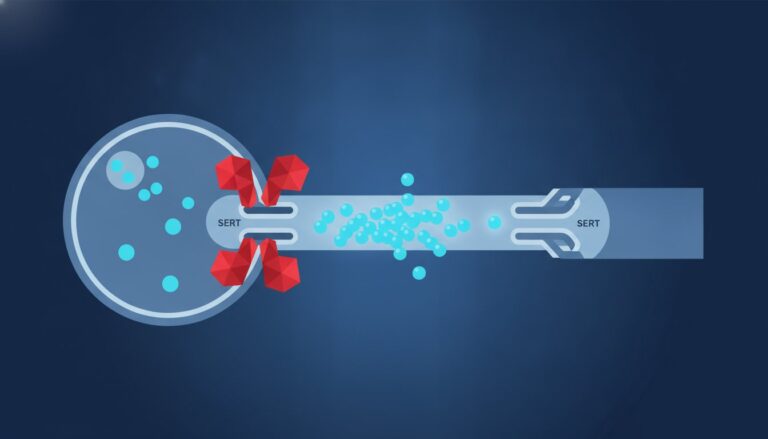
Psychiatric vignettes frequently test your knowledge of drug onset and safety profiles. For instance, a common scenario involves a patient who has been on an SSRI for only three days and complains it’s not working. You must remember that the therapeutic lag time is typically two to four weeks. Additionally, you must be able to spot Serotonin Syndrome, characterized by hyperreflexia and clonus, especially when a patient is taking multiple serotonergic agents. For elderly patients, pharmacology case studies for students often highlight the risks of benzodiazepines, emphasizing the increased danger of falls and cognitive impairment listed in the Beers Criteria.
To practice these high-stakes scenarios in a risk-free environment, explore our library of Clinical Case Studies, which are specifically designed to mirror the complexity of current board exams.
Elevating Your Exam Prep with PharmEDU’s Interactive Case Studies
Mastering the complexities of drug interactions and clinical prioritization requires more than just static reading. PharmEDU offers a comprehensive library of over 100 high-yield topics, specifically curated to provide the most effective pharmacology case studies for students entering the 2026 healthcare workforce. Unlike traditional workbooks that provide only an answer key, our platform focuses on the reasoning behind every clinical decision. By integrating High-Yield Video Vignettes, we cater to both visual and auditory learners who need to see and hear the clinical reasoning process in action. Static text can’t capture the nuance of a patient’s evolving condition, but our digital simulations bring these scenarios to life.
Our interactive Pharmacology Practice Quizzes provide instant feedback, allowing you to identify knowledge gaps immediately rather than hours later. This real-time correction is vital for building the clinical intuition discussed in previous sections. Because we know your schedule is demanding, the entire platform is mobile-compliant. You can transform a ten-minute commute or a break between clinical rounds into a high-impact study session. This flexibility ensures that consistent, high-quality preparation is always within reach, regardless of your location.
From Video Vignettes to Board Certification
Micro-learning segments are the backbone of our educational philosophy. We’ve broken down complex pharmacological concepts into digestible videos that fit into the busiest student schedules. These segments are directly aligned with our NAPLEX prep course, ensuring that every case you solve brings you one step closer to board certification. Having experts walk you through the nuances of a patient vignette helps you move past simple recognition and into true mastery. You’ll learn to prioritize actions and anticipate outcomes just as you would in a high-pressure hospital setting.
Subscription Options for Individuals and Institutions
We provide flexible access through PharmEDU Monthly and Annual Subscriptions, giving you unlimited entry to our Clinical Case Studies and Interactive Pharmacology Flashcards. For universities and healthcare programs, our Institutional Platform License offers advanced tracking tools. This allows faculty to monitor student progress and identify specific areas where a cohort might need additional support. Our goal is to serve as your digital mentor throughout your professional journey, taking the administrative burden out of your hands so you can focus on learning. Start your pharmacology mastery today with PharmEDU and gain the confidence needed to excel in your 2026 clinical exams.
Securing Your Professional Future
The transition from a student to a practicing clinician requires a fundamental shift in how you process information. Current educational standards prioritize role-based skills and critical decision-making over simple recall. By adopting a structured mental model and focusing on high-yield clinical scenarios, you can navigate complex patient cases with precision and safety. Integrating pharmacology case studies for students into your daily routine is the most reliable way to bridge the gap between academic theory and the fast-paced reality of modern healthcare.
PharmEDU provides the specialized tools you need to excel, including over 100 high-yield topics and interactive flashcards and quizzes designed for the modern learner. Our mobile-compliant micro-learning approach ensures that you can build clinical intuition whenever your schedule allows. You don’t have to face the pressure of board exams alone. Master pharmacology today with PharmEDU’s high-yield case studies. With the right strategy and a dedicated partner, you can turn academic challenges into professional triumphs and provide the highest level of care to your future patients.
Frequently Asked Questions
How do pharmacology case studies differ from regular practice questions?
Pharmacology case studies provide a narrative clinical context that requires you to apply knowledge, whereas regular practice questions often focus on simple rote memorization. While a standard question might ask you to identify a drug class, a case study forces you to prioritize interventions based on a patient’s laboratory results and medical history. This approach simulates the decision-making process you’ll use in a real-world clinical setting.
Where can I find free pharmacology case studies with answers?
Basic resources are often available through academic portals and government sites like the NIH, but these frequently lack the interactive feedback and video explanations necessary for deep learning. Most high-yield pharmacology case studies for students that include detailed rationales and expert insights are found within specialized educational platforms. These paid resources ensure the content is peer-reviewed and aligned with the latest 2026 clinical guidelines.
What are the most common drug classes featured in pharmacology cases?
The “Big Five” drug classes dominate most clinical vignettes: cardiovascular, endocrine, neuro-psychiatric, infectious disease, and respiratory agents. You’ll frequently encounter scenarios involving anticoagulants, insulins, antibiotics, and antihypertensives because these medications carry the highest risk for drug-drug interactions and adverse events. Mastering these categories is essential because they represent the largest portion of questions on professional licensing exams like the NAPLEX and NCLEX.
How many case studies should I practice before taking the NAPLEX?
While there isn’t a specific number required for success, consistency is more important than volume. Students who master at least one complex case for every high-yield drug class report significantly higher confidence during the exam. Instead of rushing through hundreds of vignettes, focus on deeply understanding the clinical reasoning in a smaller set of high-quality cases to build your intuition for priority-based questions.
Can case studies help me memorize drug names and classifications?
Yes, because they provide a narrative “hook” that makes abstract drug names easier for the brain to retrieve. When you see a medication used to treat a specific patient’s distress in pharmacology case studies for students, you associate the name with a clinical outcome rather than a dry list in a textbook. This contextual learning is far more effective for long-term retention than traditional flashcards alone.
How do I identify the priority nursing intervention in a pharmacology case?
You should always apply the “Safety First” rule to identify the intervention that prevents the most significant potential harm. In any patient scenario, life-threatening adverse reactions or acute rescue needs always take precedence over routine maintenance tasks. Look for “stop-the-drug” signals, such as sudden respiratory distress or severe electrolyte imbalances, as these are almost always the correct priority action in a clinical vignette.
Are PharmEDU case studies updated for the 2026 board exam standards?
Every case study in the PharmEDU library is specifically updated to reflect the 2026 board exam standards, including the shift toward unfolding case formats. We continuously monitor changes in therapeutic guidelines and ACPE standards to ensure our content remains accurate and relevant. This commitment to precision helps you prepare for the specific role-based skills and data-driven questions found on modern professional certifications.
Is there a specific format for writing a pharmacology case study report?
Most professional reports utilize the SBAR (Situation, Background, Assessment, Recommendation) or SOAP (Subjective, Objective, Assessment, Plan) format to ensure clear communication. In an educational context, your report should focus on justifying your pharmacological choice using the patient’s specific lab values and past medical history. The goal is to demonstrate a logical link between the patient’s pathophysiology and your recommended drug therapy.