Opioid Antagonists Pharmacology: The High-Yield Student Guide (2026)
Choosing the right agent isn’t just about memorizing a list of names; it’s about understanding that the “best” antagonist for one patient could be a clinical disaster for another. If you’ve ever struggled to remember why naloxone is a lifesaver in the emergency room while methylnaltrexone is the standard for opioid-induced constipation, you aren’t alone. Differentiating between central and peripheral agents is often the most frustrating hurdle in mastering opioid antagonists pharmacology during board prep.
This guide simplifies the complexity by using a geography-first approach to the mu-opioid receptor. You’ll master the competitive inhibition mechanisms, clinical indications, and high-yield facts that separate centrally acting agents from peripherally acting mu-opioid receptor antagonists (PAMORAs). We’ve structured this review to move you past rote memorization toward a clear, logical understanding of how these drugs interact with specific receptors. By the end, you’ll distinguish between naltrexone and naloxone with total confidence, using our high-yield video vignettes and interactive quizzes to solidify your knowledge for the 2026 exam cycle.
Key Takeaways
- Master the competitive inhibition mechanism at the mu-receptor to understand how opioid antagonists pharmacology prevents receptor activation.
- Differentiate between naltrexone and naloxone with precision, ensuring you choose the right agent for acute overdose versus long-term recovery.
- Explore how peripherally acting agents treat opioid-induced constipation without reversing life-saving analgesia or crossing the blood-brain barrier.
- Recognize the clinical triggers and symptoms of precipitated withdrawal to manage patient safety during rapid receptor displacement.
- Identify high-yield pharmacokinetic facts, like half-life differences, that are essential for navigating the NAPLEX and clinical rotations.
Mechanism of Action: How Opioid Antagonists Block Receptors
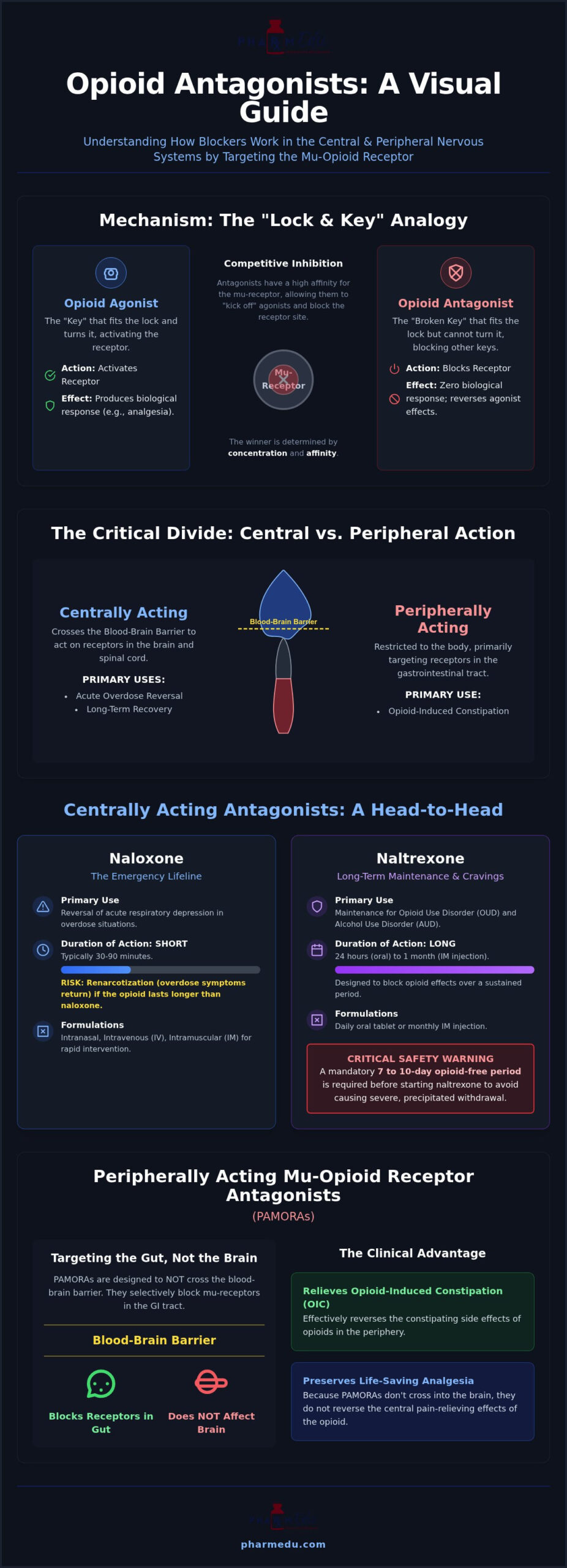
Understanding the core of opioid antagonists pharmacology begins with the concept of intrinsic activity. An Opioid antagonist is a ligand that binds to a receptor with high affinity but produces zero biological response. In clinical terms, these drugs are “silent” blockers. They don’t turn the receptor on; they simply prevent anything else from doing so. This lack of efficacy is what distinguishes a pure antagonist from a partial agonist like buprenorphine, which still provides some level of receptor activation despite its high binding affinity.
The “lock and key” analogy provides a clear mental model for this interaction. Imagine the mu-opioid receptor as a lock. An agonist like morphine is a key that fits the lock and turns it, opening the door to analgesia and respiratory depression. An antagonist is like a broken key. It fits perfectly into the lock, occupying the space, but it cannot turn. Because the broken key is stuck in the keyhole, the functional key cannot enter. PharmEDU’s high-yield video vignettes are particularly useful for visualizing this molecular competition in real-time, helping you move beyond static textbook diagrams to see how these agents perform under clinical pressure.
Competitive vs. Non-Competitive Inhibition
Most antagonists used in practice are competitive inhibitors. This means they fight for the exact same binding site as the opioid agonist. The outcome of this fight depends on two factors: concentration and affinity. Naloxone has an incredibly high affinity for the mu-receptor, allowing it to “kick off” existing agonists even when they are already bound. Competitive inhibition in the context of opioid reversal is the process where an antagonist reversibly binds to the receptor site to displace agonists through direct competition. Because this binding is reversible, a massive surge of an agonist can sometimes overcome the blockade. This is a critical clinical point; if a patient has taken a long-acting opioid, the antagonist may wear off first, allowing the agonist to re-occupy the receptors and cause a “re-narcotization” event.
Receptor Selectivity: Mu, Kappa, and Delta
While the Mu-opioid receptor (MOR) is the primary target for reversing respiratory depression, it isn’t the only receptor in play. Opioid antagonists also interact with Kappa (KOR) and Delta (DOR) receptors. Antagonism at the Mu receptor is responsible for the life-saving reversal of overdose, but it also triggers the unpleasant side effects of withdrawal. Selective antagonism at the Kappa receptor is often studied for its potential to modulate mood and dysphoria. Understanding these nuances is vital for board exams. You can test your ability to differentiate these receptor effects using PharmEDU’s interactive pharmacology practice quizzes, which simulate the high-pressure environment of the NAPLEX and reinforce your mastery of opioid antagonists pharmacology.
Centrally Acting Antagonists: Naloxone vs. Naltrexone
Centrally acting agents cross the blood-brain barrier to displace opioids from receptors in the central nervous system. While their molecular targets are similar, their clinical applications couldn’t be more different. One is a rescue tool for life-threatening emergencies; the other is a pillar of long-term recovery management. Understanding the nuances of opioid antagonists pharmacology requires a firm grasp of these functional differences. For those interested in how these pharmacological treatments intersect with broader health policy and recovery advocacy, discover Mind Body Health & Politics for expert insights into the medical landscape.
Naloxone: The Emergency Lifeline
Naloxone is the definitive gold standard for reversing acute respiratory depression. Because it’s available in intranasal, intravenous, and intramuscular formulations, it allows for rapid intervention by both medical professionals and laypeople. Its onset is nearly instantaneous when given IV; however, its duration of action is notoriously short. Most clinicians expect naloxone to work for only 30 to 90 minutes. This creates a dangerous window for renarcotization, where the antagonist wears off while the original opioid is still circulating. If you’re managing a patient who overdosed on a long-acting agent like methadone, you must monitor them closely for hours after the initial reversal.
Naltrexone: Maintenance and Cravings
Naltrexone serves a different purpose. Unlike naloxone, it’s used for maintenance in opioid use disorder and alcohol use disorder. It’s available as a daily oral tablet or a monthly intramuscular injection. A critical safety point for the NAPLEX is the mandatory 7 to 10 day opioid-free period before starting naltrexone. Initiating it too early will precipitate severe, acute withdrawal. For a broader look at how these agents fit into the medical landscape, explore our comprehensive guide to pharmacology.
In the 2026 clinical environment, Nalmefene (Opvee) has gained prominence. It offers a significantly longer half-life than naloxone, which provides an added layer of protection against potent synthetic opioids like fentanyl. According to the Opioid Antagonists Pharmacology review from the NCBI, the choice between these agents often hinges on the specific pharmacokinetic profile required for the situation. To help you keep these durations and indications straight, our interactive pharmacology flashcards use active recall to cement these high-yield facts.
To differentiate these agents quickly during your review, keep these three parameters in mind:
- Naloxone: 30 to 90 minute half-life; used for acute rescue; no washout period required.
- Naltrexone: 4 hour parent half-life (active metabolite lasts 13 hours); used for maintenance; requires a 7 to 10 day washout.
- Nalmefene: 11 hour half-life; used for potent synthetic opioid reversal; provides extended protection against renarcotization.
Peripherally Acting Mu-Opioid Receptor Antagonists (PAMORAs)
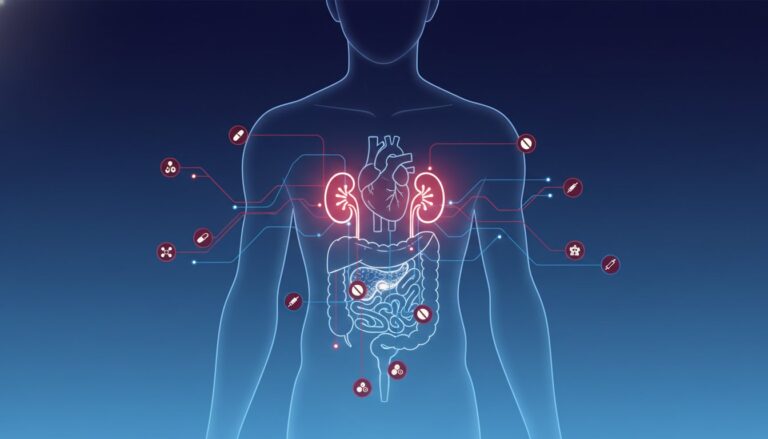
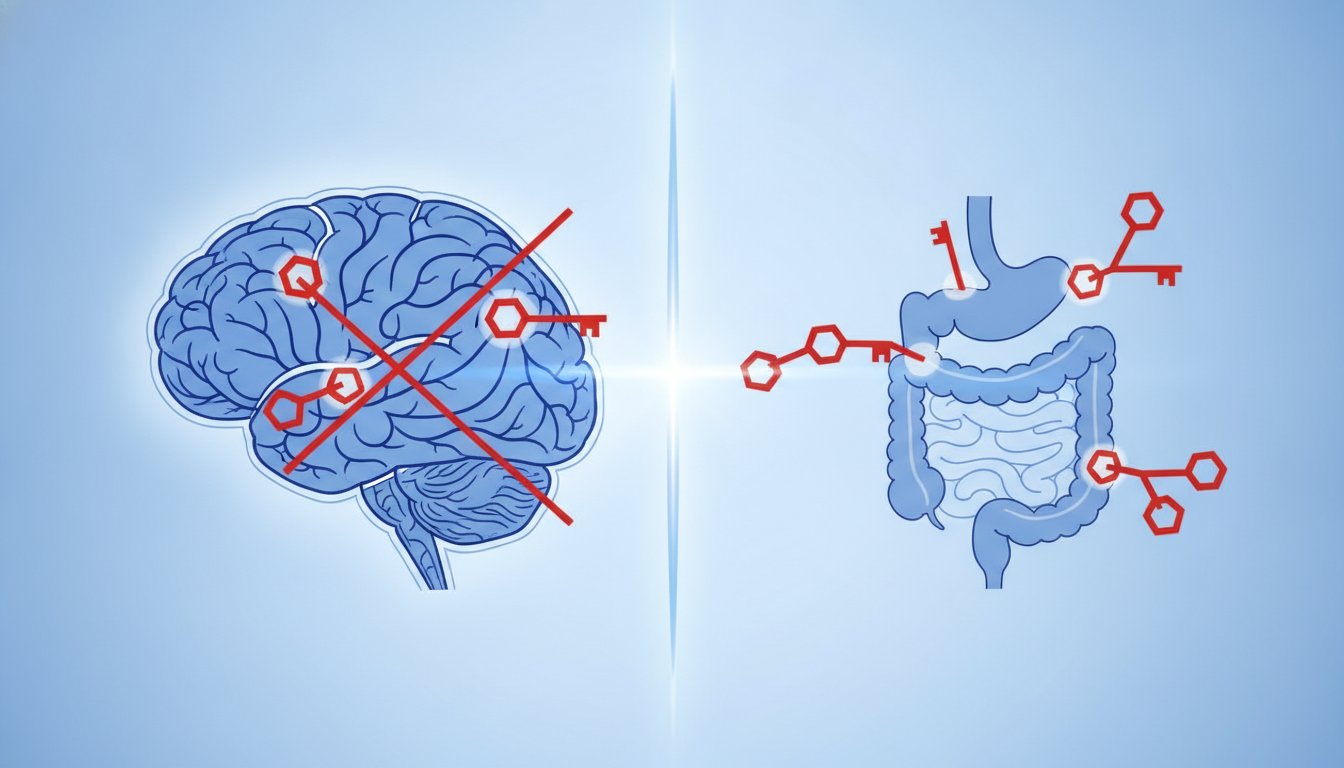
PAMORAs represent a targeted evolution in opioid antagonists pharmacology. While agents like naloxone act centrally to reverse respiratory depression, PAMORAs are engineered to stay outside the brain. This “geography first” approach allows clinicians to treat the debilitating side effects of opioids without stripping away the patient’s necessary analgesia. They are a specific solution to a specific problem: the activation of mu-receptors in the gastrointestinal tract.
The Blood-Brain Barrier (BBB) and Peripheral Selectivity
The exclusion of these drugs from the central nervous system is a result of deliberate chemical modifications. Naloxegol, for instance, is a pegylated derivative of naloxone. The addition of a polyethylene glycol (PEG) polymer chain increases the molecule’s size and alters its solubility, making it a substrate for the P-glycoprotein efflux transporter. This mechanism ensures the drug is actively pumped out of the brain even if it manages to cross the barrier. Other agents, such as methylnaltrexone, utilize a quaternary ammonium group to maintain a permanent positive charge. This charge prevents passive diffusion across the lipid-rich BBB. According to this Opioid Antagonists Pharmacology Review, this selectivity is what prevents these drugs from precipitating central withdrawal, which is a vital safety feature for patients with chronic pain.
Clinical Indications and Nursing Considerations
The primary clinical target for PAMORAs is opioid-induced constipation (OIC). Traditional laxatives often fail in this population because they don’t address the underlying receptor activation in the enteric nervous system. Methylnaltrexone and naloxegol are mainstays for OIC in palliative care or chronic non-cancer pain settings. Alvimopan, however, has a more restricted, high-yield indication. It’s used exclusively in the hospital setting to accelerate gastrointestinal recovery following surgeries like bowel resection. Because of potential cardiovascular risks, alvimopan is typically limited to short-term use through a specific access program.
Safety monitoring is a critical responsibility when administering these agents. Nurses must remain vigilant for symptoms of gastrointestinal perforation, a rare but severe risk in patients with structural wall defects or malignancies. If a patient experiences sudden, intense abdominal pain, the medication should be stopped immediately. For more clinical monitoring tips and drug-specific pearls, refer to our nursing pharmacology study guides. Testing your knowledge with PharmEDU’s interactive pharmacology practice quizzes will help you differentiate these agents’ unique dosing protocols and side effect profiles before your next clinical rotation.
Pharmacological Safety, Side Effects, and Acute Withdrawal
Safety in opioid antagonists pharmacology is a study of physiological extremes. While these agents possess high safety margins and lack intrinsic activity, the rapid displacement of opioid ligands from receptors can trigger a sympathetic storm. This reaction isn’t a direct toxic effect of the antagonist itself. Instead, it’s a consequence of the sudden, violent absence of opioid signaling in a patient whose body has adapted to chronic agonist presence. Understanding how to manage this transition is a critical clinical skill.
Managing Precipitated Withdrawal
Precipitated withdrawal occurs when an antagonist “kicks” an agonist off the mu-receptor, causing an immediate drop in opioid effect. This is far more intense than “cold turkey” withdrawal because the receptors are actively blocked, rather than slowly clearing the drug. Clinicians use the Clinical Opiate Withdrawal Scale (COWS) to monitor for symptoms like nausea, tremors, anxiety, and pupillary dilation. Supportive care often involves intravenous fluids for dehydration and medications like clonidine to manage the surge in noradrenergic activity. To prepare for these clinical scenarios, you can test your assessment skills with interactive pharmacology practice quizzes that simulate real-world patient presentations.
The cardiovascular system bears the brunt of this rapid reversal. The sudden release of catecholamines can lead to significant tachycardia and hypertension. In patients with underlying cardiac conditions, this stress may even trigger pulmonary edema or arrhythmias. Monitoring vital signs during the administration of naloxone is paramount, especially when using high doses to combat potent synthetic opioids.
Contraindications and Drug-Drug Interactions
Liver health is a major consideration for long-term therapy. Naltrexone is associated with dose-related hepatocellular injury and is generally contraindicated in patients with acute hepatitis or liver failure. Clinicians should monitor baseline and periodic ALT and AST levels to ensure patient safety. Additionally, patients must be screened for the use of cough and cold preparations. Many over-the-counter and prescription antitussives contain hidden opioids like codeine or hydrocodone, which will be rendered ineffective or trigger mild withdrawal symptoms if an antagonist is present.
Administering an antagonist to a patient with a current physical dependence will trigger an immediate and severe precipitated withdrawal syndrome that often requires intensive supportive management.
Patient education is the final pillar of safety. Those prescribed emergency naloxone kits must understand that the drug’s effects are temporary. Because the antagonist may wear off before the opioid does, bystanders should be trained to call for emergency services immediately after administration. Education should focus on the “rescue” nature of the drug and the necessity of professional medical follow-up to prevent a recurrence of respiratory depression.
Master Opioid Antagonists for the NAPLEX and Clinical Practice
Mastering opioid antagonists pharmacology represents a critical bridge between academic knowledge and clinical competence. For students preparing for the 2026 boards, the challenge lies in moving beyond simple definitions to understand the life-saving nuances of receptor competition. The exams frequently test your ability to distinguish between agents that sound similar but act differently. Pharmacokinetic parameters like half-life (T 1/2) aren’t just numbers to memorize; they’re the variables that determine if a patient stays safe or falls back into a coma. For instance, knowing the half-life of naloxone compared to methadone is a classic high-yield board question that tests your understanding of patient safety. Success depends on your precision in identifying the correct clinical context for each drug.
Top 5 Board Exam Facts for Opioid Antagonists
- Naloxone’s duration is significantly shorter than many of the opioids it’s used to reverse. This creates a high risk of rebound respiratory depression once the antagonist clears the system, necessitating prolonged patient observation.
- PAMORAs are designed strictly for the management of opioid-induced constipation. Because they don’t cross the blood-brain barrier, they’re entirely ineffective for treating an acute overdose.
- Naltrexone initiation requires a strict 7 to 10 day opioid-free window. Administering this agent too early will precipitate a severe withdrawal syndrome that is often more intense than standard withdrawal.
- Alvimopan (Entereg) is restricted through a Risk Evaluation and Mitigation Strategy (REMS) program. It’s only for short-term inpatient use because long-term administration is associated with an increased risk of myocardial infarction.
- Competitive inhibition means the antagonist can be overcome. In cases of massive synthetic opioid ingestion, clinicians may need to administer multiple, high-dose rounds of naloxone to maintain receptor blockade.
Study Strategies and Resources
Visualizing these molecular interactions is often more effective than reading static text. PharmEDU’s high-yield video vignettes allow you to see receptor competition in action, making the concept of competitive inhibition easier to remember. When you’re ready to build a comprehensive review plan, consult our PharmEDU NAPLEX prep guide for a structured approach to CNS medications. Using interactive pharmacology flashcards for active recall ensures you won’t hesitate when faced with a LASA pair on exam day. Applying this knowledge to clinical case studies helps bridge the gap between a textbook and a real patient. Our platform provides these scenarios to help you practice making the right call in a simulated environment, reducing the administrative and mental burden of your study journey. Finally, use our pharmacology practice quizzes to identify specific knowledge gaps before they impact your board scores or clinical rotations.
Elevate Your Clinical Readiness for 2026
Mastering the complexities of opioid antagonists pharmacology is about more than passing an exam; it’s about making split-second decisions that save lives. You’ve now seen how the “geography first” approach clarifies the difference between central rescue agents like naloxone and peripheral tools like PAMORAs. By understanding the reversible nature of competitive inhibition and the strict timing required for naltrexone initiation, you’re better equipped to navigate both the NAPLEX and your future clinical rotations. Success in this demanding field requires consistent, high-quality review that fits into your busy schedule.
Start your pharmacology mastery with PharmEDU’s high-yield review platform today! Our platform provides over 100 high-yield video vignettes and interactive board-style practice quizzes designed to reinforce active recall. Since the interface is fully mobile-compliant, you can turn any spare moment into a productive study session regardless of your location. You have the tools to succeed, and we’re here to ensure you feel confident and prepared on exam day.
Frequently Asked Questions
What is the primary difference between naloxone and naltrexone?
Naloxone is an emergency rescue agent used to reverse life-threatening respiratory depression from an acute overdose. It has a very short duration of action, typically lasting only 30 to 90 minutes. In contrast, naltrexone is a long-acting maintenance medication used for alcohol and opioid use disorder. It’s vital that patients are opioid-free for at least seven days before starting therapy to avoid triggering a severe withdrawal syndrome.
How do peripherally acting opioid antagonists (PAMORAs) work without affecting pain relief?
PAMORAs are engineered with specific chemical modifications, such as pegylation, that prevent them from crossing the blood-brain barrier. Because they remain in the periphery, they only block mu-receptors in the gastrointestinal tract. This lets them treat opioid-induced constipation effectively without interfering with the analgesic effects of opioids in the central nervous system. It’s a precise way to manage side effects while maintaining necessary pain control.
Can opioid antagonists be used for purposes other than overdose reversal?
Beyond overdose reversal, these agents are vital for managing addiction and side effects. Naltrexone is a primary treatment for alcohol use disorder because it blocks the reinforcing “buzz” of alcohol. PAMORAs like methylnaltrexone are the standard of care for opioid-induced constipation. Additionally, alvimopan is used in hospital settings to help the bowels recover after surgery. This versatility makes opioid antagonists pharmacology a high-yield topic for clinical practice.
Why does naloxone have to be administered frequently in some overdose cases?
Frequent administration is necessary because the half-life of naloxone is often much shorter than the half-life of the opioid the patient ingested. If the antagonist clears the receptors while high levels of the agonist are still circulating, the patient can fall back into a life-threatening coma. This “renarcotization” is a major risk with long-acting opioids like methadone or when potent synthetic opioids like fentanyl are involved.
What are the most common side effects of opioid antagonists?
The side effects are usually a direct result of the sudden loss of opioid activity. Patients often experience nausea, vomiting, sweating, and increased heart rate. For those taking long-term naltrexone, clinicians must monitor for signs of liver toxicity. Those using PAMORAs might experience abdominal cramping and diarrhea as their digestive system restarts. Understanding these reactions is a core part of opioid antagonists pharmacology and patient safety monitoring.
Is it possible to overdose on an opioid antagonist?
Overdosing on a pure antagonist like naloxone is virtually impossible because these drugs don’t have intrinsic activity. They don’t activate receptors or cause toxic effects on their own. The danger lies in the sudden, massive withdrawal they trigger in dependent individuals. While the drug itself isn’t toxic, the resulting sympathetic surge can lead to cardiovascular stress, hypertension, or pulmonary edema in vulnerable, dependent patients.
What is precipitated withdrawal, and why is it dangerous?
Precipitated withdrawal is a rapid and severe onset of withdrawal symptoms caused by the immediate displacement of opioids from receptors. It’s dangerous because the physiological transition happens in minutes rather than days. The resulting catecholamine surge can cause extreme hypertension and heart rhythm disturbances. It’s far more intense than natural withdrawal and often requires intensive supportive care and fluid replacement in a clinical setting.
Are there any contraindications for using naltrexone in addiction recovery?
Naltrexone is strictly contraindicated in patients with acute hepatitis or liver failure because it can cause dose-dependent liver injury. It’s also unsafe for patients who’ve used opioids within the last 7 to 10 days. Using it during this window will cause an immediate medical emergency. Additionally, it shouldn’t be used in patients who rely on opioid-containing medications for chronic pain management or severe cough suppression.