Pharmacology of Diabetes Medications: The High-Yield Guide for 2026
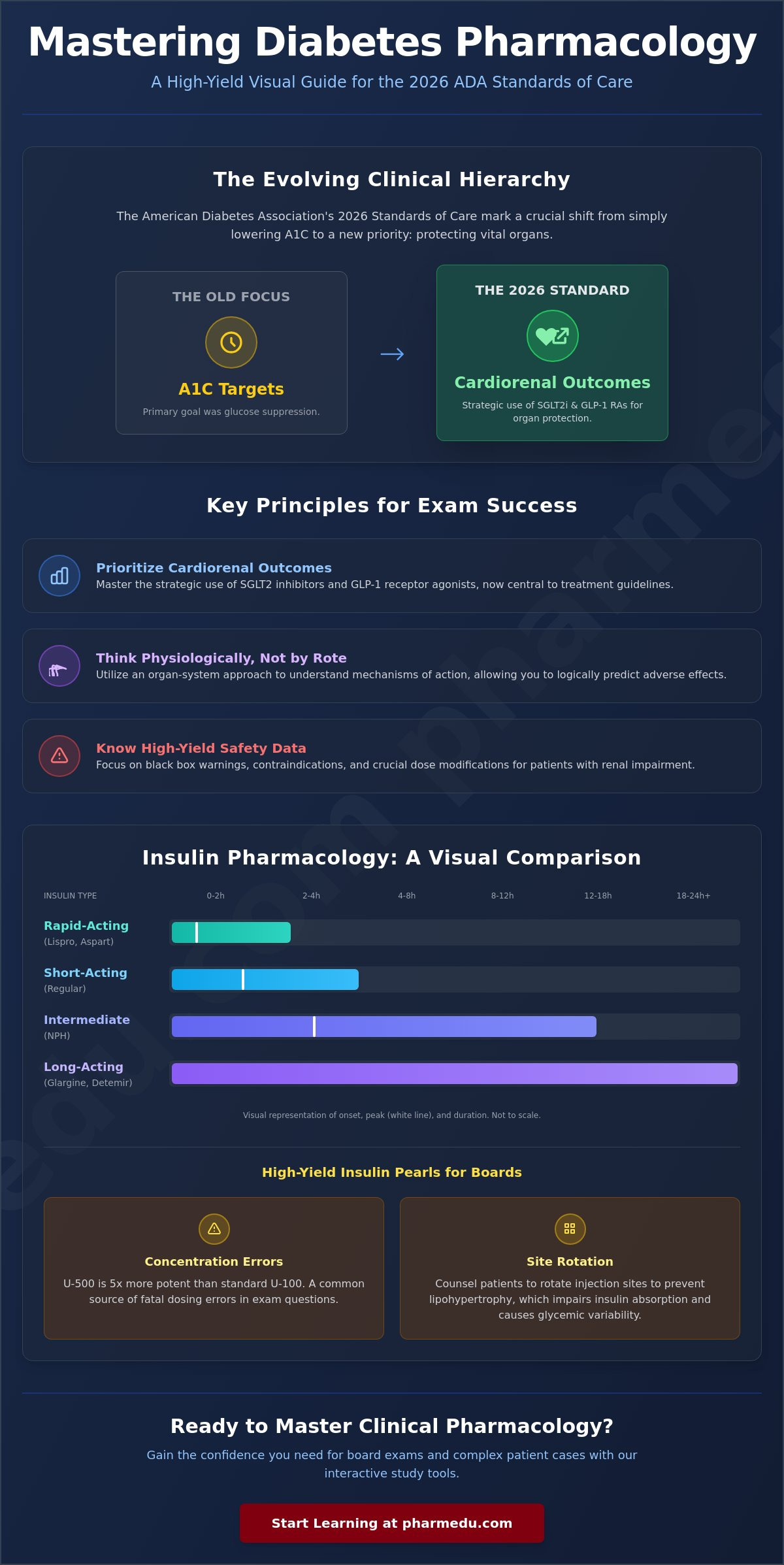
What if the key to mastering the pharmacology of diabetes medications isn’t rote memorization, but rather a logical map of human physiology? Many clinicians and students find themselves lost in the “alphabet soup” of DPP-4 inhibitors and GLP-1 receptor agonists, struggling to keep side effects and contraindications straight for upcoming board exams. You’ve likely felt the pressure of keeping up with the rapid pace of clinical updates, especially with the American Diabetes Association’s 2026 Standards of Care now prioritizing cardiorenal outcomes over simple A1C targets.
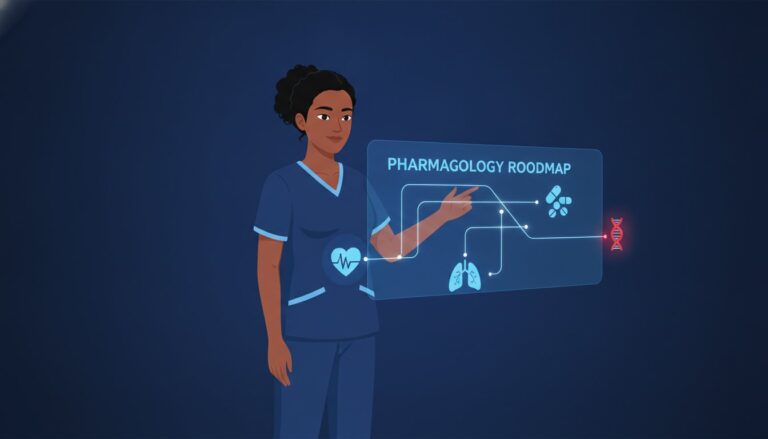
It’s a challenge to stay current when the treatment hierarchy shifts so quickly. This high-yield guide promises to bridge that gap by helping you master the mechanisms of action and clinical applications for every major drug class. You’ll gain the ability to predict adverse effects based on the site of action, ensuring you’re ready for both complex patient cases and exam day. We’ll preview the latest 2026 data on agents like tirzepatide for heart failure with preserved ejection fraction and the expanded role of SGLT2 inhibitors, providing the precision you need to excel in your professional journey.
Key Takeaways
- Understand the evolving clinical hierarchy that prioritizes cardiovascular and renal outcomes through the strategic use of SGLT2 inhibitors and GLP-1 receptor agonists.
- Master the pharmacology of diabetes medications by examining the incretin effect and the revolutionary role of dual receptor agonists in weight management.
- Identify high-yield safety data and contraindications, focusing on black box warnings and the necessary dose modifications for patients with varying degrees of renal impairment.
- Utilize an organ-system approach to memorize mechanisms of action, enabling you to predict adverse effects logically rather than through rote memorization.
- Prepare for 2026 board exams by mastering the latest ADA Standards of Care, including new recommendations for managing hyperglycemia in specialized patient populations.
Foundations of Diabetes Pharmacology: Pathophysiology and Insulin Therapy
Understanding the pharmacology of diabetes medications begins with a clear grasp of the physiological targets. In Type 1 diabetes, the primary issue is an absolute insulin deficiency due to autoimmune destruction of pancreatic beta cells. Conversely, Type 2 diabetes involves a progressive combination of peripheral insulin resistance and eventual beta-cell exhaustion. These drugs aim to restore homeostasis across three critical sites: the liver, where they suppress excessive gluconeogenesis; skeletal muscle, where they facilitate glucose uptake; and adipose tissue, where they inhibit the breakdown of fats. As the body’s primary anabolic hormone, insulin remains the cornerstone of therapy when endogenous production fails. It doesn’t just lower blood sugar; it promotes glycogen synthesis in the liver and protein synthesis in muscle tissue, effectively shifting the body into a storage state.
For a broad overview of diabetes medications, clinicians should recognize that therapy is categorized by how quickly an agent enters the bloodstream and how long its effects persist. We group these into four main categories:
- Rapid-acting: Best for mealtime coverage (e.g., Lispro, Aspart).
- Short-acting: Regular insulin, often used in hospital settings for IV drips.
- Intermediate-acting: NPH, which has a distinct peak and requires careful timing.
- Long-acting: Provides a steady basal rate for 24 hours or more (e.g., Glargine).
Pharmacokinetics of Exogenous Insulin
Exogenous insulin analogs are engineered to mimic physiological patterns more closely than older formulations. Rapid-acting analogs like Lispro utilize biochemical modifications to ensure rapid hexamer dissociation into monomers. By preventing these molecules from clumping together, the body absorbs them almost instantly, allowing for onset within 15 minutes. On the other end of the spectrum, long-acting basal insulins like Glargine and Detemir provide a steady, peakless supply. Glargine achieves this by precipitating into micro-crystals at the neutral pH of subcutaneous tissue, which then dissolve slowly over 24 hours. This pharmacokinetic profile is clinically significant for preventing nocturnal hypoglycemia, a common concern for patients on older, intermediate-acting NPH insulin. The Diabetes Control and Complications Trial (DCCT) historically demonstrated that intensive insulin therapy can lead to a 50% reduction in microvascular complications, highlighting the importance of these precise delivery profiles.
Insulin Delivery and High-Yield Board Pearls
Mastering the pharmacology of diabetes medications requires a deep understanding of safety nuances in delivery. While U-100 (100 units/mL) is the standard concentration, U-500 is five times as potent and reserved for patients with extreme insulin resistance. Mistaking one for the other can lead to fatal dosing errors, a frequent trap in clinical vignettes. Beyond dosing, patients must be educated on injection site rotation to avoid lipohypertrophy. This is a localized accumulation of fat that can significantly impair insulin absorption, leading to unexplained blood sugar fluctuations. From an exam perspective, always predict hypoglycemia risk by identifying when an insulin type reaches its peak concentration. Rapid-acting analogs peak within 1 to 2 hours, whereas basal analogs provide a flat delivery curve with no distinct peak, making them much safer for overnight use.
Oral Antidiabetic Agents: Mechanisms and Comparative Profiles
While insulin manages the anabolic foundations of glycemic control, the pharmacology of diabetes medications in the oral category has shifted toward organ protection rather than mere glucose suppression. Modern clinical guidelines no longer view oral agents as interchangeable tools for lowering A1C. Instead, they’re selected based on a patient’s specific comorbidities, such as heart failure or chronic kidney disease. This section breaks down the biochemical nuances that differentiate first-line stalwarts from secondary secretagogues.
Metformin and SGLT2i: The Modern Core
Metformin remains the global first-line agent for Type 2 diabetes. It functions primarily by activating adenosine monophosphate-activated protein kinase (AMPK), which leads to the inhibition of hepatic gluconeogenesis. By increasing insulin sensitivity in peripheral tissues, it avoids the weight gain and hypoglycemia associated with other classes. Its sustained dominance is supported by its low cost, which averaged between $2 and $3 per month in July 2025, making it highly accessible for long-term management.
Sodium-glucose cotransporter 2 (SGLT2) inhibitors have redefined the pharmacology of diabetes medications by targeting the kidneys. These agents block glucose reabsorption in the proximal convoluted tubule, promoting the excretion of glucose in the urine. Beyond glycemic control, they offer profound cardio-renal benefits. The 2026 ADA Standards of Care now recommend SGLT2 inhibitors as a first-line treatment for patients with heart failure with reduced ejection fraction (HFrEF), regardless of their baseline A1C levels. This shift emphasizes their role in reducing hospitalizations and slowing the progression of kidney disease. If you’re preparing for clinical rotations, practicing with Interactive Pharmacology Flashcards can help you quickly recall these critical renal-protective mechanisms.
Second-Line Oral Therapies: TZDs and Secretagogues
When Metformin and SGLT2 inhibitors aren’t sufficient, clinicians often turn to an injectable and oral diabetes medications framework to select the next agent. Thiazolidinediones (TZDs), such as Pioglitazone, act as potent agonists for the peroxisome proliferator-activated receptor gamma (PPAR-gamma). This receptor is found in adipose tissue, skeletal muscle, and the liver, where its activation improves insulin sensitivity and reduces fatty acid release. While effective, their use is limited by side effects like weight gain and fluid retention.
Sulfonylureas and Meglitinides function as secretagogues by closing ATP-sensitive potassium channels on the pancreatic beta-cell membrane. This action triggers cell depolarization and a subsequent influx of calcium, which forces the release of preformed insulin. However, the clinical use of Sulfonylureas has declined significantly as of 2026. Their mechanism doesn’t require the presence of glucose to work, which creates a substantial risk of severe hypoglycemia. Many experts also believe that constant stimulation of the beta cells may accelerate “beta-cell exhaustion,” making them less desirable than weight-neutral options like DPP-4 inhibitors, which provide a more convenient, once-daily dosing schedule without the same hypoglycemic burden.
Incretin-Based Therapies: The GLP-1 and GIP Revolution
The “incretin effect” describes a fascinating physiological phenomenon: oral glucose intake triggers a significantly higher insulin response than an equivalent dose of intravenous glucose. This difference is driven by gut-derived hormones, primarily glucagon-like peptide-1 (GLP-1) and glucose-dependent insulinotropic polypeptide (GIP). Understanding this concept is pivotal for mastering the pharmacology of diabetes medications, as it represents a shift from simply replacing insulin to enhancing the body’s natural regulatory systems. By 2026, these therapies have moved from the periphery of treatment to the absolute center of metabolic care.
The evolution of GLP-1 receptor agonists (GLP-1 RAs) has been rapid, moving from the twice-daily exenatide of the past to the once-weekly semaglutide formulations dominant today. These agents have transformed the landscape of pharmacotherapy for diabetes management, particularly as the management of obesity has been elevated to a primary treatment goal. We’ve moved beyond simple glycemic control to a holistic approach where weight loss and cardiorenal protection are prioritized alongside A1C reduction.
Mechanism of Action: Beyond Glucose Control
GLP-1 RAs work through several pathways. They stimulate insulin secretion only when blood glucose is elevated, which explains why they carry a remarkably low risk of hypoglycemia compared to the secretagogues discussed in previous sections. Beyond the pancreas, these medications slow gastric emptying and act on the central nervous system to induce satiety. This dual action makes them highly effective for weight management. Recent 2026 data confirms that oral semaglutide and tirzepatide effectively reduce the risk of atherosclerotic cardiovascular disease (ASCVD). Cardiovascular Outcome Trials (CVOTs) have provided the pharmacological evidence necessary to make these agents first-line recommendations for patients with high-risk ASCVD or symptomatic heart failure with preserved ejection fraction (HFpEF).
Clinical Considerations and Administration
A common point of confusion on board exams is differentiating GLP-1 RAs from DPP-4 inhibitors. While both affect the incretin system, GLP-1 RAs provide pharmacological levels of the hormone, whereas DPP-4 inhibitors merely prevent the breakdown of endogenous incretins. This results in the “weight-neutral” profile of DPP-4 inhibitors versus the potent weight-loss profile of GLP-1 RAs. If you’re studying the pharmacology of diabetes medications, remember that only the agonists provide the high-potency weight loss seen in modern clinical trials.
Clinicians must also navigate the pharmacokinetics of oral versus subcutaneous semaglutide. The oral version requires strict adherence to fasting protocols for absorption, while the subcutaneous injection offers higher bioavailability. When counseling patients, titration is the most critical factor. Starting at a low dose and gradually increasing helps mitigate the most common side effect: nausea. Looking ahead, the 2026 landscape is already shifting toward triple agonists like Retatrutide, which targets GLP-1, GIP, and glucagon receptors for even more profound metabolic effects.
Adverse Effects, Contraindications, and High-Yield Toxicities
Mastering the pharmacology of diabetes medications requires more than just knowing how they lower blood sugar; it demands an absolute command of their toxicological profiles. For the clinician, understanding why a drug causes a specific side effect is the key to both patient safety and board exam success. Many adverse reactions are predictable extensions of a drug’s mechanism, while others are idiosyncratic and require strict adherence to Black Box warnings. As treatment becomes more personalized in 2026, the ability to screen for these risks is a non-negotiable skill.
High-Alert Side Effects for Board Exams
Metformin’s most feared complication is lactic acidosis. This occurs because the drug inhibits mitochondrial complex I, which can lead to a buildup of lactate. While rare, the risk increases dramatically during acute renal failure. Consequently, clinical guidelines dictate holding Metformin before or at the time of procedures involving IV contrast and for 48 hours afterward. This prevents drug accumulation if contrast-induced nephropathy occurs.
Thiazolidinediones (TZDs) like Pioglitazone carry a different risk: heart failure. These agents activate PPAR-gamma receptors in the renal collecting duct, increasing sodium reabsorption and leading to fluid retention. This makes them contraindicated in patients with NYHA Class III or IV heart failure. For GLP-1 receptor agonists, while clinical evidence for a direct link to pancreatitis is debated in recent literature, it remains a standard high-yield association for exams. You’ll often see this tested in vignettes where a patient develops acute abdominal pain after starting a new injectable agent.
Contraindications and Patient Safety
SGLT2 inhibitors have introduced unique safety concerns, most notably euglycemic diabetic ketoacidosis (DKA). Because these drugs promote glucosuria, a patient’s blood sugar might appear near-normal even while they’re in a state of profound ketosis. This is a critical trap for students. Another concern is the risk of Fournier’s gangrene, a rare but life-threatening necrotizing fasciitis of the perineum that has been associated with the SGLT2i class.
Patient history is equally vital when prescribing GLP-1 agonists. These medications are contraindicated in individuals with a personal or family history of Medullary Thyroid Carcinoma (MTC) or Multiple Endocrine Neoplasia syndrome type 2 (MEN 2). This is based on early rodent studies showing C-cell tumor development. Finally, consider the elderly population. Sulfonylureas are listed on the Beers Criteria due to their high risk of prolonged hypoglycemia, which is particularly dangerous in older adults with reduced renal clearance. To test your ability to differentiate these high-stakes side effects under pressure, try our Pharmacology Practice Quizzes. Mastering the pharmacology of diabetes medications isn’t just about the benefits; it’s about knowing when the risks outweigh the rewards.
Mastering Diabetes Pharmacology: Study Strategies for 2026
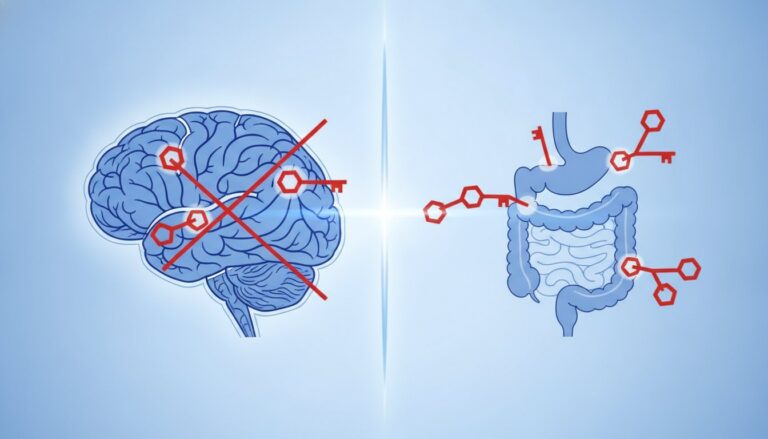
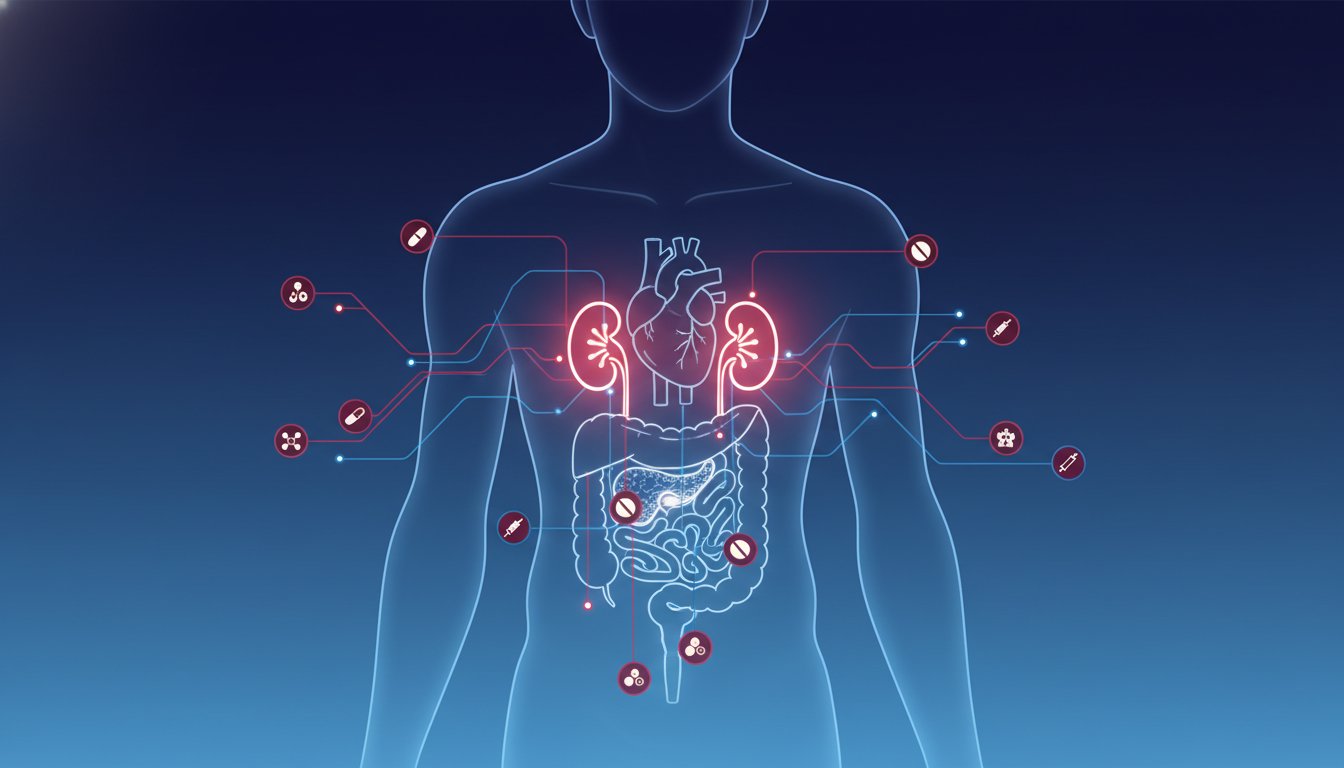
Success in clinical practice and on standardized exams requires a shift from memorizing lists to understanding systems. The pharmacology of diabetes medications is best mastered through an “Organ System” approach. By mapping each drug class to its primary anatomical site, you create a mental framework where side effects and benefits become logical extensions of the drug’s mechanism. For instance, once you associate SGLT2 inhibitors with the proximal convoluted tubule of the kidney, the risk of urinary tract infections and the benefit of osmotic diuresis in heart failure become self-explanatory. Integrating clinical case studies into your daily routine further solidifies this knowledge, allowing you to see how the 2026 ADA Standards of Care prioritize specific medications for patients with complex comorbidities.
Suffixes and Drug Class Identification
Nomenclature is often the first hurdle for students. Mastering suffixes is a high-yield strategy that prevents confusion between similar-sounding classes. You should be able to instantly recognize that “-glitazone” refers to Thiazolidinediones, while “-glutide” indicates a GLP-1 receptor agonist. A common pitfall on board exams is confusing “-gliptins” (DPP-4 inhibitors) with “-gliflozins” (SGLT2 inhibitors). Remember that “flozin” sounds like “flowing,” which helps you link the medication to the flow of glucose into the urine. For a deeper dive into these naming conventions and more nomenclature tips, consult our Pharmacology Guide. This systematic approach ensures you spend less time second-guessing and more time applying clinical logic.
High-Yield Exam Prep with PharmEDU
Transitioning from theoretical knowledge to exam readiness requires targeted practice. PharmEDU is designed to act as your digital mentor, providing the tools needed to close the gap between textbook reading and NAPLEX or board exam success. Our high-yield video vignettes allow for rapid MOA visualization, helping you see the biochemical pathways in action rather than just reading about them. This visual reinforcement is crucial for long-term retention of the pharmacology of diabetes medications.
Practice remains the most effective way to test your mastery. Using our interactive pharmacology questions allows you to identify specific weaknesses in your understanding before they become liabilities on exam day. Whether you’re utilizing our Interactive Pharmacology Flashcards for quick review or diving into Clinical Case Studies, our platform ensures your preparation is efficient and structured. By combining these modern digital tools with a logical study framework, you’ll be well-positioned to navigate the evolving landscape of diabetes pharmacotherapy with confidence and precision.
Advancing Your Clinical Expertise in Diabetes Care
Mastering the pharmacology of diabetes medications is no longer just about memorizing glycemic targets. It’s about recognizing the profound shift toward organ protection and cardiorenal benefits that defined the 2026 clinical landscape. By understanding the physiological logic behind each drug class, you’ve moved beyond rote learning to a level of professional precision where you can predict clinical outcomes and mitigate risks with confidence. You’ve explored how modern therapies are reshaping patient lives, and you’ve gained the tools to navigate complex board vignettes.
To keep this momentum going and ensure you’re fully prepared for high-stakes exams, we invite you to Start Your PharmEDU Subscription Today. Our platform offers over 100 High-Yield Video Vignettes and Interactive Pharmacology Flashcards designed to simplify the most challenging topics. It’s why we’re trusted by nursing and pharmacy schools nationwide to provide the clarity needed for professional excellence. Take the next step in your educational journey and turn your textbook knowledge into clinical mastery. You’ve got the foundations; now it’s time to excel.
Frequently Asked Questions
What is the mechanism of action of Metformin?
Metformin primarily activates adenosine monophosphate-activated protein kinase (AMPK), which leads to a decrease in hepatic gluconeogenesis. By suppressing the liver’s production of glucose and increasing insulin sensitivity in muscle tissue, it lowers blood sugar without causing weight gain. It’s the first-line choice in the pharmacology of diabetes medications because it avoids the risk of hypoglycemia associated with insulin secretagogues.
Why do SGLT2 inhibitors cause urinary tract infections?
SGLT2 inhibitors block glucose reabsorption in the proximal convoluted tubule, which naturally results in higher concentrations of glucose in the urine. This glucose-rich environment provides a substrate for bacterial and fungal growth in the genitourinary tract. Patients should be advised to maintain high hygiene standards and stay hydrated to mitigate the increased risk of mycotic infections and urinary tract complications.
What is the difference between GLP-1 agonists and DPP-4 inhibitors?
GLP-1 receptor agonists are synthetic analogs that provide pharmacological levels of the hormone, leading to significant weight loss and cardiovascular benefits. DPP-4 inhibitors, or gliptins, work by preventing the breakdown of the body’s own natural incretins. While gliptins are weight-neutral and taken orally, GLP-1 agonists are typically more potent injectables that offer superior glycemic control and organ protection in high-risk patients.
Which diabetes medications are contraindicated in heart failure?
Thiazolidinediones (TZDs), such as pioglitazone, are strictly contraindicated in patients with symptomatic heart failure because they cause renal sodium reabsorption and fluid retention. Additionally, the DPP-4 inhibitor saxagliptin has been associated with an increased risk of heart failure hospitalization in clinical trials. Clinicians should carefully screen patients for NYHA Class III or IV symptoms before initiating these specific classes of medications.
How does the incretin effect influence diabetes treatment?
The incretin effect is the phenomenon where oral glucose ingestion triggers a much larger insulin response than the same amount of glucose given intravenously. This discovery shifted the pharmacology of diabetes medications toward gut-derived hormones like GLP-1 and GIP. Treatments now focus on leveraging these pathways to stimulate glucose-dependent insulin secretion; this effectively lowers A1C while minimizing the danger of fasting hypoglycemia.
Can SGLT2 inhibitors be used for Type 1 Diabetes?
SGLT2 inhibitors are not currently FDA-approved for the treatment of Type 1 diabetes due to a significantly increased risk of diabetic ketoacidosis (DKA). While some off-label use occurs, the 2026 guidelines emphasize that these agents can cause euglycemic DKA, where the patient’s blood sugar remains near normal despite life-threatening metabolic acidosis. This makes monitoring ketones essential if these drugs are considered in specialized settings.
What are the high-yield side effects of Sulfonylureas for the NCLEX?
Severe hypoglycemia and weight gain are the most critical side effects of sulfonylureas to remember for the NCLEX. These agents trigger insulin release regardless of blood glucose levels, which can lead to prolonged and dangerous drops in sugar. Students should also be aware of the disulfiram-like reaction associated with first-generation sulfonylureas when consumed with alcohol, though these older agents are rarely used in modern practice.
Which diabetes drugs provide cardiovascular benefits?
SGLT2 inhibitors and certain GLP-1 receptor agonists, such as semaglutide and liraglutide, are the primary agents proven to provide cardiovascular benefits. These drugs reduce the risk of major adverse cardiovascular events (MACE), including myocardial infarction and stroke. SGLT2 inhibitors specifically excel in reducing hospitalizations for heart failure, making them a cornerstone of therapy for patients with atherosclerotic cardiovascular disease or chronic kidney disease.