Pharmacology Video Lectures for Nursing Students: The 2026 Guide to High-Yield Learning
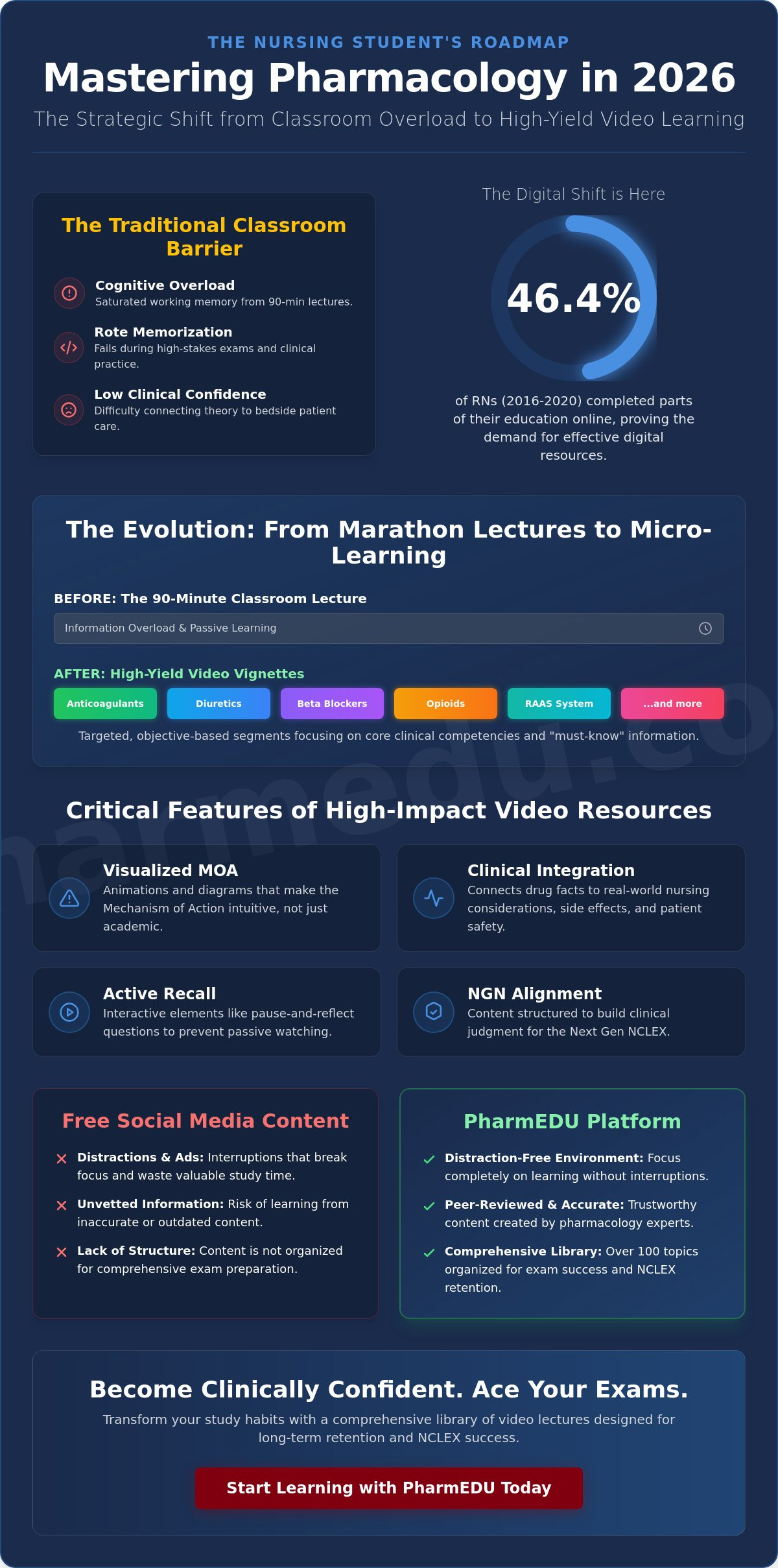
What if the secret to passing your toughest nursing course isn’t more hours in the library, but a shift in how you process clinical data? With nearly 46.4 percent of registered nurses who graduated between 2016 and 2020 already completing portions of their education online, the demand for high-quality pharmacology video lectures for nursing students has never been higher. You’ve likely experienced the frustration of dry classroom sessions where it’s nearly impossible to connect a drug’s mechanism to real-world nursing interventions. This information overload doesn’t just cause exam anxiety; it creates a persistent barrier to the clinical confidence you need at the bedside.
This guide will show you how to master complex drug classes and ace your exams with the most effective video-based learning strategies and resources. We’ll explore how to transform your study habits using high-yield vignettes and logic-based mapping to ensure you aren’t just memorizing names, but truly understanding patient care. From boosting your test scores to securing long-term retention for the NCLEX, here is your comprehensive roadmap to pharmacology success in 2026.
Key Takeaways
- Understand why the transition from hour-long lectures to targeted micro-learning vignettes is essential for managing information overload.
- Identify the critical features of effective pharmacology video lectures for nursing students, including clear visual representations of drug mechanisms and integrated clinical considerations.
- Evaluate the strategic differences between free social media content and peer-reviewed educational platforms to ensure your study time is spent in distraction-free environments.
- Learn the “Pre-Watch” strategy and active note-taking techniques that bridge the gap between watching a video and applying knowledge during clinical rotations.
- Discover how a comprehensive library of over 100 pharmacology topics provides the necessary foundation for both exam success and long-term NCLEX retention.
The Evolution of Pharmacology Video Lectures for Nursing Students
The landscape of nursing education has shifted away from the traditional, hour-long auditorium session. Today, the most effective pharmacology video lectures for nursing students utilize high-yield vignettes. These are targeted, objective-based educational segments that strip away academic fluff to focus on core clinical competencies. This evolution isn’t just about shorter runtimes; it’s about a fundamental change in how information is structured to match the human brain’s capacity for retention. High-yield learning treats every minute of study time as a valuable asset, ensuring that the content directly supports exam performance and bedside safety.
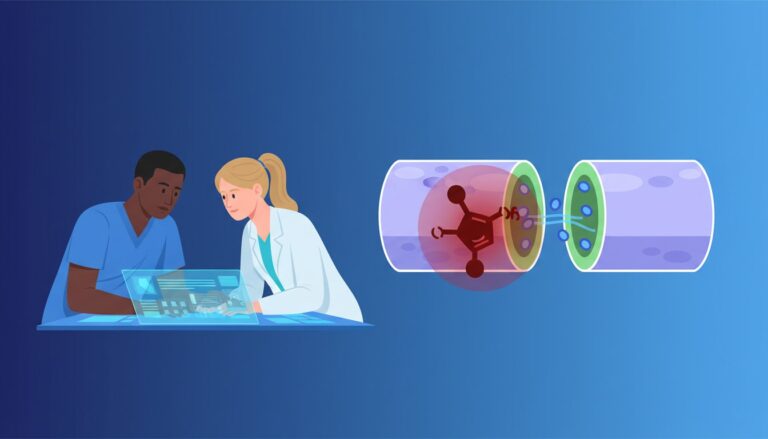
Visual learning has proven superior for mastering complex concepts like pharmacokinetics and pharmacodynamics. It’s one thing to read about drug distribution, but it’s another to see a three-dimensional animation of a molecule crossing the blood-brain barrier. Understanding the foundational principles of pharmacology requires this level of clarity to grasp how drugs interact with biological systems. As we move through 2026, these digital resources are also aligning more closely with the Next Gen NCLEX (NGN) standards, which prioritize clinical judgment over simple drug name recognition.
Why Traditional Classroom Lectures Often Fail Nursing Students
The primary barrier in a standard classroom is cognitive overload. When a professor spends ninety minutes listing side effects, the brain’s working memory becomes saturated, making it impossible to distinguish a minor headache from a life-threatening adverse reaction. In a live setting, you can’t pause the speaker to look up a specific drug interaction or rewind a complex explanation of the RAAS system. Without high-quality visual aids for intricate mechanisms like adrenergic receptors, students are left to rely on rote memorization, which fails during high-stakes exams.
The 2026 Standard: High-Yield vs. Comprehensive Content
Modern educational strategy distinguishes between “nice to know” and “must know” information. High-yield vignettes focus on the latter, presenting the critical nursing considerations that appear on board exams and in daily practice. This approach streamlines the learning process, allowing students to cover more ground without feeling overwhelmed. Quality pharmacology video lectures for nursing students now also feature mobile-compliant designs. This allows you to review a five-minute segment on anticoagulants during a clinical break or while commuting, turning idle time into productive study sessions. By focusing on essential data, these tools help you build a mental framework that supports long-term retention rather than temporary memorization.
Key Features of Effective Pharmacology Video Resources
Effective digital education is more than just a camera pointed at a whiteboard. It requires a deliberate synthesis of visual design and clinical application. A recent study on blended learning in nursing demonstrates that students who engage with multi-modal resources achieve significantly better conceptual clarity than those relying on text alone. For a resource to be truly useful, it must offer more than just facts; it needs to provide a framework for critical thinking. Modern pharmacology video lectures for nursing students now include accessibility tools like searchable transcripts and closed captioning. These features allow you to find specific drug interactions or contraindications instantly, which is vital when you’re reviewing right before a clinical shift. Interactive elements like pause-and-reflect questions force active recall, preventing the passive “glazing over” that often happens during long study sessions.
Visualizing the Mechanism of Action (MOA)
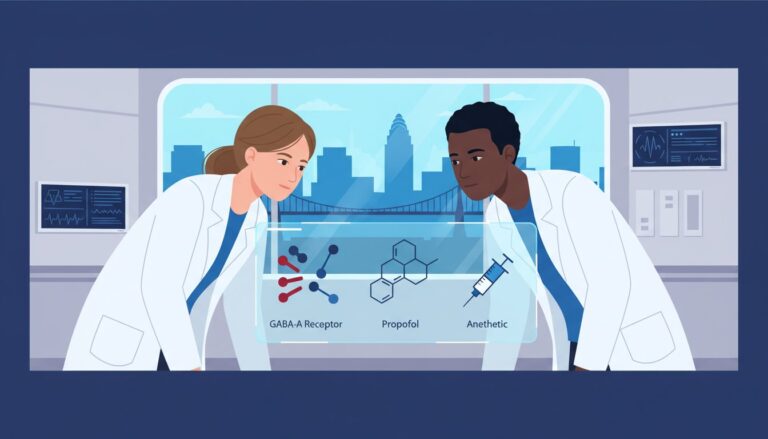
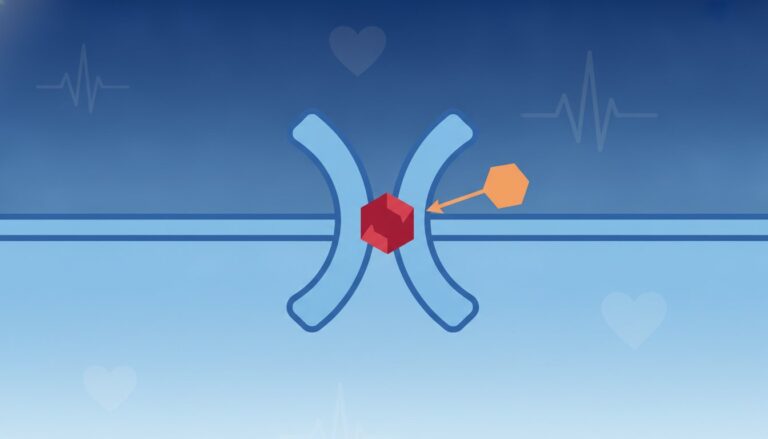
Reading about how a calcium channel blocker works is often insufficient for long-term retention. The 2026 standards for pharmacology video lectures for nursing students prioritize 3D animations and simplified diagrams that show these processes in motion. When you see a drug bind to a specific receptor site, the physiological response becomes intuitive rather than academic. In nursing pharmacology, the Mechanism of Action (MOA) is defined as the specific biochemical interaction through which a drug substance produces its pharmacological effect. Visualizing this process helps you predict side effects and therapeutic outcomes without relying on a memorized list.
Nursing-Specific Content: Beyond the Pharmacy
A video lecture that only covers chemical structures is useless at the bedside. High-quality resources prioritize nursing considerations, specifically Assessment, Implementation, and Evaluation. This means highlighting Black Box Warnings and adverse reactions that require immediate intervention. For example, a video on Digoxin isn’t complete without linking it to Potassium levels and apical pulse monitoring. Every second of a video should translate to a clinical action. If a drug class requires monitoring specific lab values, like serum creatinine for nephrotoxic agents, the video should emphasize that connection visually. Patient teaching points should be the core of every summary, ensuring you can explain the “why” to your patients. To see how these clinical links are made, you can explore high-yield video vignettes that focus exclusively on what you’ll encounter in clinical rotations. This helps bridge the gap between theory and the actual nursing process, making you a safer and more confident practitioner.
YouTube vs. Paid Pharmacology Platforms: A Strategic Comparison
Choosing between free social media content and a dedicated educational platform is a strategic decision that directly impacts your clinical safety. While YouTube offers immediate access, it often lacks the cohesive pedagogical framework necessary for 2026 nursing standards. The online learning industry is growing by 9.1 percent annually, largely because students recognize that fragmented videos don’t build a solid foundation. Searching for high-quality content on an ad-supported platform creates a “cost of time” that most nursing students can’t afford. Professional pharmacology video lectures for nursing students eliminate these distractions, offering a streamlined path to mastery without the interference of unrelated algorithms.
The Hidden Risks of Unverified Video Content
The primary risk with unverified content is the speed at which medical guidelines change. Relying on “study-tubers” who don’t update their material can be dangerous. For instance, hypertension stages or ACLS protocols are frequently revised by official bodies. Learning from an outdated video could lead to exam failure or, worse, a clinical error during rotations. Peer-reviewed content created by healthcare educators is the only way to ensure accuracy. Many top programs now incorporate these digital tools into their official nursing pharmacology curricula to provide students with a reliable source of truth that aligns with the latest evidence-based practices.
When to Invest in a Professional Pharmacology Subscription
A professional subscription offers a high return on investment by providing a linear curriculum. This structure mirrors the logic found in a comprehensive pharmacology study guide for nursing students, ensuring you don’t miss critical drug classes or complex interactions. Beyond high-yield video vignettes, these platforms include interactive pharmacology flashcards and practice quizzes that sync with your progress. This integration facilitates active recall, which is essential for long-term retention. For faculty, an institutional platform license provides tracking capabilities to monitor student engagement and identify those who may need extra support before exam day. When your career and license are on the line, the certainty of a peer-reviewed resource far outweighs the initial cost of a subscription.
How to Use Video Lectures to Ace Your Pharmacology Exams
Passive consumption is the primary reason students struggle with drug classifications. To truly benefit from pharmacology video lectures for nursing students, you must adopt an active engagement strategy. This starts with the “Pre-Watch” phase. Before hitting play, spend two minutes reviewing the drug class in your syllabus. This primes your brain to look for specific connections rather than trying to absorb everything from scratch. Once you’ve watched the content, implement a spaced repetition schedule. Reviewing the core concepts at 24 hours, three days, and seven days ensures the information moves from short-term memory to long-term clinical knowledge.
Step-by-Step: The Active Viewing Method
The active viewing method transforms a digital resource into a practical workshop. Follow these specific steps to maximize your output:
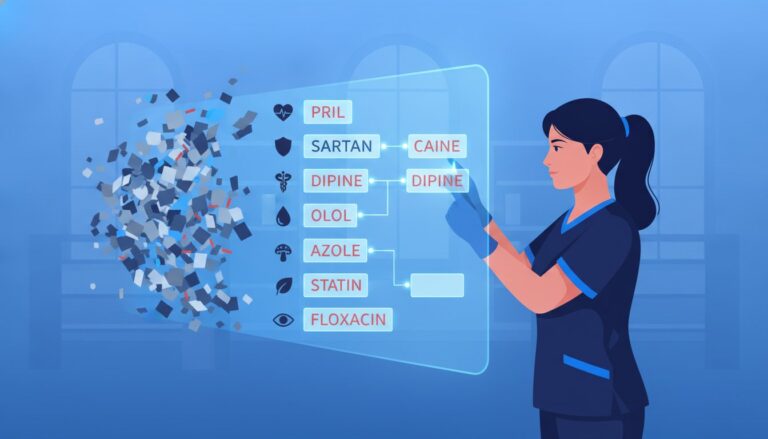
- Step 1: Identify the drug class and the “prototype” drug. Understanding the lead agent makes it easier to learn the “me-too” drugs in that same family.
- Step 2: Watch the MOA segment and physically sketch the process. Drawing a receptor site or a cellular pump engages different neural pathways than just listening.
- Step 3: Pause the video and list the top three nursing interventions. Don’t wait for the instructor to tell you; try to predict them based on the drug’s mechanism.
- Step 4: Complete a pharmacology practice quiz immediately. This forces your brain to retrieve the information you just learned, which is the most effective way to solidify memory.
Bridging Video to Clinical Case Studies
Success on the Next Gen NCLEX (NGN) requires more than just knowing drug names; it demands clinical judgment. High-yield videos often include patient scenarios that simulate real-world bedside decisions. When you watch these, don’t just observe. Treat the video vignette as a live clinical case study. Ask yourself how the patient’s underlying pathology interacts with the medication you’re about to administer. Using searchable video transcripts as a quick-reference guide during your clinical preparation helps you link theory to practice in real-time. This bridge between academic facts and patient safety is what separates a student who passes from one who excels. To start building this clinical foundation, you can access our high-yield video vignettes designed specifically for modern nursing requirements.
Why PharmEDU is the Gold Standard for Pharmacology Video Learning
PharmEDU establishes itself as the definitive resource by prioritizing clinical relevance over mere academic theory. Our pharmacology video lectures for nursing students are not just recordings; they are structured educational tools developed by experienced healthcare professionals. With a library that spans more than 100 pharmacology topics, the platform provides a single source of truth for every drug class you’ll encounter. This level of consistency is vital for building the mental models required for safe medication administration. Every video is paired with interactive pharmacology flashcards and practice quizzes to ensure that your learning is active and measurable.
The platform’s mobile-compliant design reflects the reality of modern nursing education. You don’t always have the luxury of sitting at a desk for hours. Our high-yield video vignettes allow you to review critical nursing interventions or drug mechanisms on any device. By integrating clinical case studies into the video curriculum, we help you bridge the gap between classroom facts and real-world patient safety. This comprehensive approach ensures that you aren’t just preparing for a single exam, but for a lifetime of professional practice.
Micro-Learning: Mastering Pharmacology in Minutes
The shift toward micro-learning is backed by cognitive science. Our 5-10 minute vignettes are designed to maximize information density while minimizing cognitive load. This approach effectively prevents the fatigue associated with traditional, long-form content. Many of our users find that they can master a specific drug class during a lunch break or while waiting for a clinical instructor. The mobile-compliant design ensures that high-quality education is always within reach, regardless of your location or schedule. It’s a practical solution for the time-poor nursing student who needs results fast.
Support for Both Individual Students and Institutions
We offer tailored solutions for every stage of the nursing journey. Individual learners can benefit from monthly or annual subscriptions that provide full access to our high-yield vignettes and clinical case studies. This flexibility allows you to scale your study resources based on your current semester’s needs. On a larger scale, our institutional platform license provides nursing schools with the tools to standardize their pharmacology curriculum. By integrating our peer-reviewed videos into their programs, institutions can help their students achieve higher pass rates and feel more prepared for the NCLEX. Don’t leave your clinical confidence to chance. Start your PharmEDU subscription today and master pharmacology with the industry’s most trusted digital mentor.
Securing Your Future in Clinical Practice
Mastering drug classifications requires a shift from passive listening to active, evidence-based engagement. By moving away from unverified social media content and embracing high-yield vignettes, you protect your study time and your future nursing license. The transition to micro-learning isn’t just a trend; it’s a necessary evolution to meet the rigorous demands of the Next Gen NCLEX and modern patient care standards. Utilizing pharmacology video lectures for nursing students that prioritize the “mechanism-to-intervention” logic will bridge the gap between classroom theory and bedside safety.
PharmEDU is your partner in this journey, offering a comprehensive library of over 100 high-yield topics designed by healthcare educators. Our mobile-compliant platform fits into your busy schedule, allowing you to review critical drug classes whenever and wherever you need. Don’t let information overload hinder your progress or cause unnecessary exam anxiety. Start Your PharmEDU Subscription Now and gain the confidence to excel in your rotations and beyond. You’re fully capable of turning pharmacology from a hurdle into a foundational strength of your professional career.
Frequently Asked Questions
Are video lectures enough to pass nursing pharmacology?
Video lectures are most effective when integrated into a structured study plan that includes active retrieval and clinical application. While they provide essential conceptual clarity, you should also utilize tools like practice quizzes and clinical case studies to test your comprehension. This multi-modal approach ensures you can apply theoretical drug knowledge to real-world patient safety scenarios during your clinical rotations.
What are the best free pharmacology videos for nursing students?
Popular free options include various educational channels on social media platforms, but you must verify the publication date of the content. Many free resources lack a cohesive curriculum or the rigorous peer-review process required for clinical accuracy. For students seeking reliable pharmacology video lectures for nursing students, it’s often safer to use dedicated platforms that guarantee alignment with current 2026 nursing guidelines and board exam standards.
How long should I spend watching pharmacology videos each day?
Aim for 30 to 60 minutes of focused viewing per day using a micro-learning approach. Research suggests that shorter, high-intensity sessions are more effective for long-term retention than marathon study periods. By breaking your study time into 10-minute vignettes, you avoid cognitive overload and allow your brain to process complex drug mechanisms more efficiently between your other academic commitments.
Can I use pharmacology videos to prepare for the NCLEX-RN?
Yes, video-based learning is an excellent tool for NCLEX-RN preparation, especially for the Next Gen NCLEX (NGN). High-yield pharmacology video lectures for nursing students focus on clinical judgment and the nursing process, which are core components of the current board exams. These resources help you transition from simple memorization to the critical thinking required to answer complex case study questions correctly.
How do I stay focused while watching online pharmacology lectures?
Focus is maintained through active engagement rather than passive observation. Try sketching the mechanism of action as you watch or pausing the video to predict nursing interventions before they’re revealed. Eliminating digital distractions and using a platform with a dedicated, ad-free environment also significantly improves your ability to retain information during your daily study sessions.
What is the difference between a pharmacology lecture and a high-yield vignette?
A traditional lecture is often a comprehensive, 60-minute recording of a classroom session, while a high-yield vignette is a targeted 5-10 minute segment. Vignettes prioritize “must-know” clinical data and specific learning objectives, removing unnecessary academic filler. This structured format is specifically designed to support the busy schedules of modern nursing students while maximizing their memory capacity.
Do PharmEDU videos cover nursing interventions and patient teaching?
Yes, every PharmEDU video vignette explicitly integrates nursing interventions and patient teaching points as core components. We recognize that knowing a drug’s chemistry isn’t enough; you must also understand how to assess the patient, implement the medication safely, and evaluate the outcomes. These clinical links are essential for both passing your exams and ensuring safety during your hospital rotations.
Are these video lectures updated for the 2026 nursing guidelines?
All PharmEDU content is continuously reviewed and updated to align with the 2026 nursing guidelines and the latest evidence-based practices. This ensures that the information you’re learning regarding hypertension stages, ACLS protocols, and drug safety warnings is current and accurate. Staying up to date with these regulatory and scientific changes is a core part of our commitment to your professional development.