Pharmacology Board Review: The High-Yield Guide to Mastering Boards in 2026
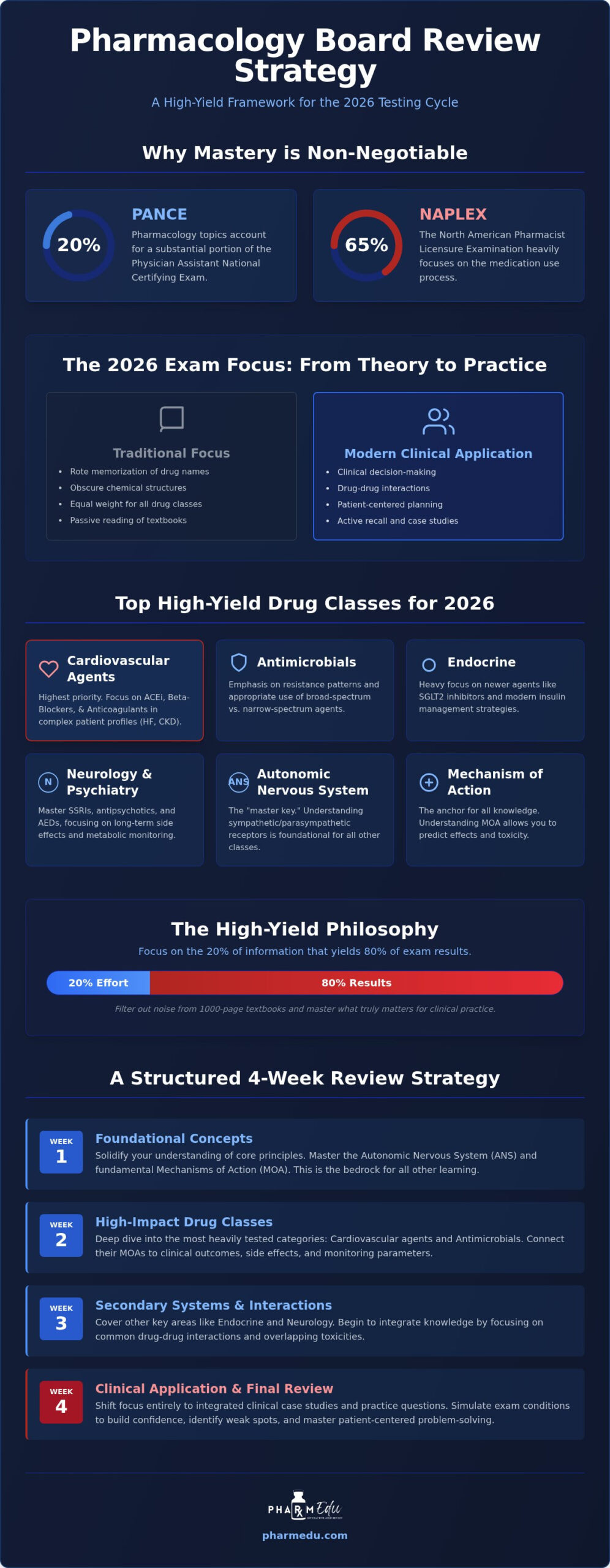
With pharmacology topics accounting for nearly 20% of the PANCE and a significant 65% of the NAPLEX focusing on the medication use process, your ability to recall drug data is the primary gatekeeper to your professional license. It’s completely normal to feel overwhelmed by the sheer volume of mechanisms and side effects that seem to blur together during late-night study sessions. Most students struggle to distinguish between similar drug classes or waste precious hours on low-yield details that never appear on the actual exam. You don’t have the time to read through a 1000-page textbook, and you shouldn’t have to.
This article outlines a modern pharmacology board review strategy designed for the 2026 testing cycle, focusing on high-yield concepts and clinical case application. We’ll show you how to move from passive reading to active recall, ensuring you can confidently navigate complex drug-drug interactions and patient-centered planning. By following this structured approach, you’ll replace exam-day anxiety with the clinical certainty needed to pass your boards on the first attempt and excel in your medical career.
Key Takeaways
- Shift your focus from rote memorization to clinical application to meet the evolving standards of 2026 licensure exams.
- Identify the high-yield cardiovascular and antimicrobial drug classes most likely to appear on your specific board blueprint.
- Implement a structured 4-week pharmacology board review strategy that prioritizes high-impact topics and avoids the pitfalls of traditional textbooks.
- Leverage digital micro-learning tools and video vignettes to master complex mechanisms of action during busy clinical rotations.
- Build the confidence to solve integrated clinical case studies by understanding drug-drug interactions and common side effects.
What is a Pharmacology Board Review and Why is it Essential?
A pharmacology board review is a specialized, strategic study phase that focuses exclusively on the high-yield drug information most likely to appear on professional licensure examinations. It isn’t a mere repetition of your initial pharmacology coursework. While your university lectures provided a broad foundation, they often emphasized every possible drug class and mechanism of action with equal weight. Board exams don’t work that way. They prioritize the information that directly impacts clinical safety and therapeutic efficacy.
The 2026 testing landscape has shifted significantly. Modern boards have moved away from asking you to identify obscure drug names or rote-memorized chemical structures. Instead, they prioritize clinical decision-making. You’re expected to demonstrate how a drug fits into a patient’s overall care plan. This means your study process must evolve from simply “knowing” a drug to effectively “managing” a patient who’s taking that drug. If you can’t identify the contraindication in a complex clinical vignette, your factual knowledge of a drug’s mechanism becomes irrelevant.
Key Exams Requiring Pharmacology Mastery
For prospective pharmacists, the NAPLEX demands a deep dive into pharmacokinetics, dosage forms, and therapeutic outcomes. Medical students tackling USMLE Step 1 and 2 must master both the molecular mechanisms and the clinical indications for major drug classes. Meanwhile, nursing students preparing for the NCLEX-RN focus heavily on safe medication administration, patient monitoring, and identifying life-threatening adverse reactions in real-time scenarios.
The ‘High-Yield’ Philosophy
Effective preparation relies on the Pareto principle, identifying the 20% of pharmacological information that accounts for roughly 80% of exam questions. Standard 1000-page textbooks are designed for reference, not for rapid recall. Attempting to memorize every detail in a comprehensive text can actually hinder your performance by diluting your focus. High-yield studying filters out the noise, allowing you to master the “big guns” of pharmacology that dominate modern blueprints.
In the context of 2026 exams, high-yield pharmacology is the strategic mastery of clinical drug applications and safety profiles that directly influence patient outcomes in complex medical scenarios.
Top High-Yield Drug Classes for 2026 Board Exams
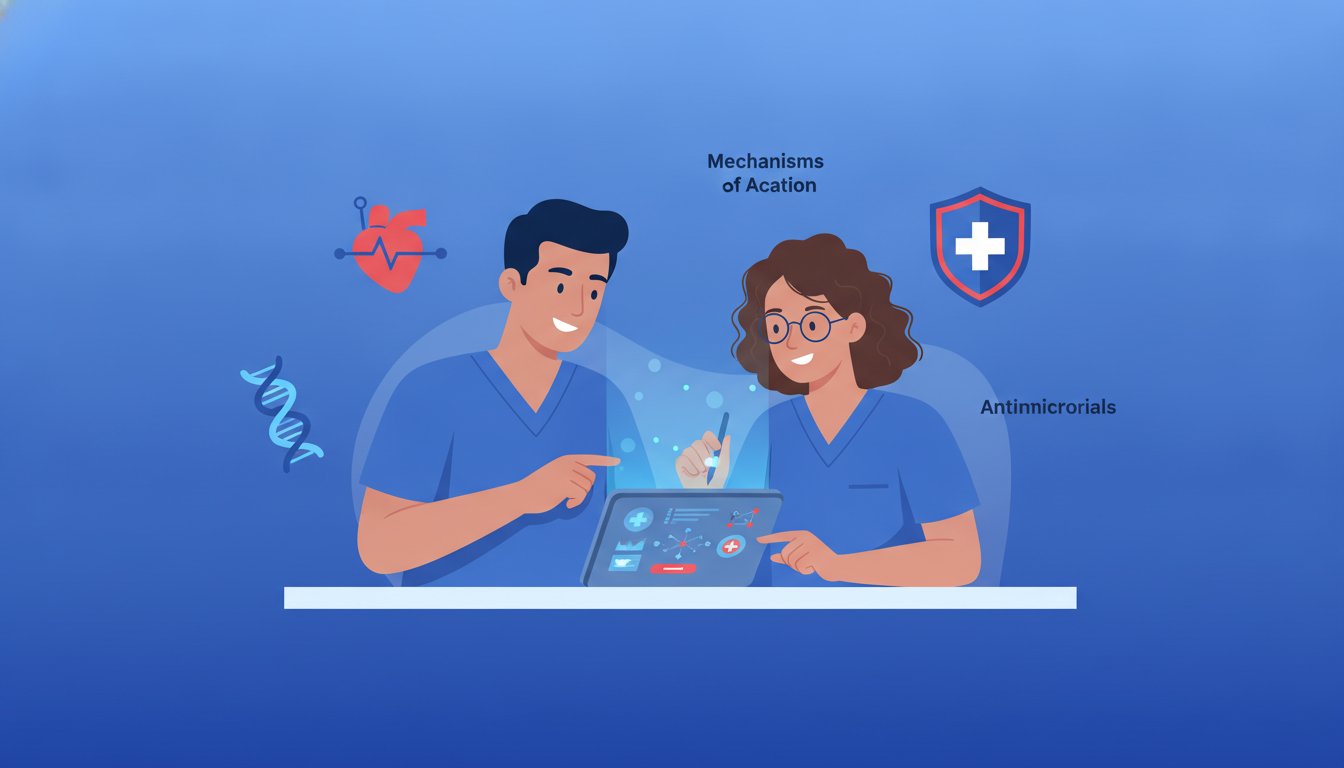
Success in a modern pharmacology board review requires a disciplined focus on the drug classes that dominate the current exam blueprints. While it’s tempting to try and learn every medication in the pharmacopeia, your time is better spent mastering the “big guns” that appear most frequently in clinical vignettes. Cardiovascular agents remain the highest priority. You must be intimately familiar with ACE inhibitors, beta-blockers, and anticoagulants. These drugs aren’t just tested for their mechanisms; they’re tested for their impact on mortality, their specific monitoring requirements, and their role in complex patient profiles like those with heart failure or chronic kidney disease.
Antimicrobials represent another massive portion of the 2026 exams. The focus has shifted toward understanding resistance patterns and the appropriate use of broad-spectrum agents. You’ll need to know when to reach for a carbapenem versus a narrower option. Similarly, the endocrine section now places heavy emphasis on SGLT2 inhibitors and modern insulin management. These classes have revolutionized clinical practice, and the boards have followed suit. Neurology and psychiatry questions frequently revolve around SSRIs, antipsychotics, and antiepileptic drugs (AEDs), often focusing on long-term side effect profiles and metabolic monitoring.
The Autonomic Nervous System (ANS) serves as the physiological foundation for almost all pharmacology questions. If you don’t master the sympathetic and parasympathetic receptors, you’ll struggle to understand how drugs in other categories function. It’s the “master key” that unlocks the logic behind cardiovascular, pulmonary, and even ocular medications.
Mastering Mechanisms of Action (MOA)
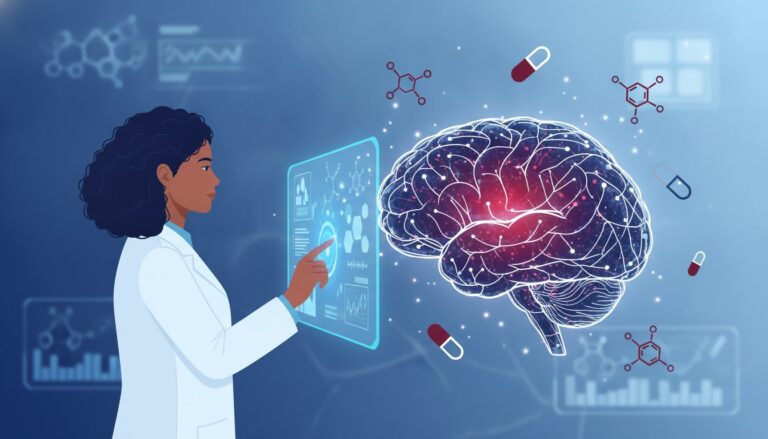
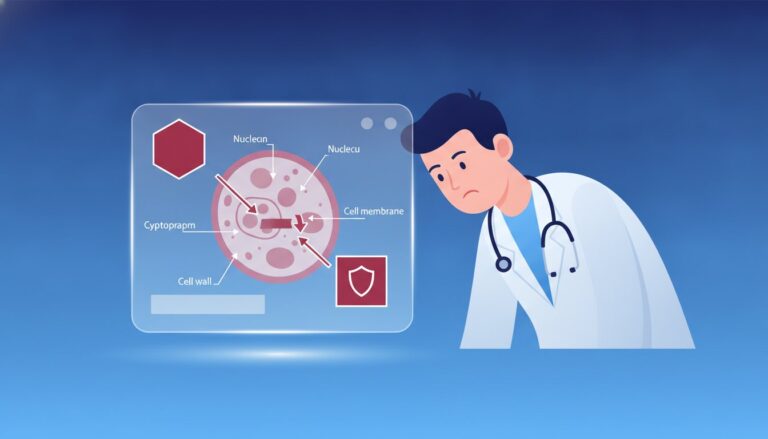
The MOA is the anchor for all pharmacological knowledge. If you understand exactly how a drug interacts with its target, you can predict its therapeutic effects and its toxicity. Visualizing these microscopic pathways is often the hardest part of studying. Many students find that using Pharmacology: The Comprehensive Guide helps clarify these complex interactions. To truly solidify your understanding, you might consider using High-Yield Video Vignettes to see these drugs in action within a clinical context.
Side Effects and Contraindications
Exam writers love “classic” adverse reactions. You must be able to instantly link ACE inhibitors to angioedema or aminoglycosides to ototoxicity. Beyond individual side effects, the CYP450 system remains a favorite for testing drug-drug interactions. Using Clinical Case Studies is the most effective way to practice identifying these contraindications in real-time, as it forces you to look at the patient’s entire medication list rather than just a single drug. You can practice these scenarios by engaging with interactive Clinical Case Studies to sharpen your diagnostic intuition.
Digital Review Platforms vs. Traditional Textbooks
Traditional textbooks like the “Katzung” series have served as the academic foundation for generations of healthcare professionals. These volumes provide an exhaustive look at chemical structures and historical clinical trials. However, for a modern pharmacology board review, these 1000-page texts often present a significant challenge. The sheer volume of information makes it difficult to separate the high-yield essentials from the academic noise. In 2026, efficiency is the most valuable currency for any healthcare student, and static pages simply cannot keep pace with the clinical application required on modern exams.
Digital platforms replace these dense chapters with micro-learning segments that fit into a demanding schedule. Instead of spending three hours reading a single chapter on cardiovascular agents, you can engage with high-yield video vignettes that distill the same information into focused, ten-minute segments. This approach saves hours of study time while ensuring you prioritize the critical safety profiles and drug interactions that board examiners favor. Furthermore, digital subscriptions offer a level of flexibility that physical books can’t match. A new edition of a major textbook is expensive and becomes outdated as soon as new clinical guidelines are released, whereas digital platforms provide real-time updates to reflect the current medical landscape.
The Power of Active Recall and Spaced Repetition
Active recall is the process of forcing your brain to retrieve information rather than just recognizing it on a page. Reading the same chapter multiple times often creates a “fluency illusion,” where you feel like you’ve mastered the material simply because it looks familiar. Interactive flashcards break this cycle by requiring you to produce the answer from memory. When combined with spaced repetition algorithms, these tools ensure you revisit difficult concepts at the precise moment your retention begins to fade. You can explore a deeper comparison of these methods in our guide to Comprehensive Pharmacy Review: Digital vs Textbooks.
Studying on the Go: Mobile Compliance in 2026
Clinical rotations involve significant “dead time” between rounds or while waiting for preceptors. Mobile-compliant platforms allow you to turn these fifteen-minute gaps into productive study sessions. Whether you’re watching a video vignette or completing a quick quiz on your phone, you’re making steady progress toward your goal without being tethered to a desk. Modern platforms also integrate progress tracking, which serves as a powerful psychological tool. Seeing your mastery scores increase across different drug classes provides tangible evidence of your growth, which directly reduces the anxiety associated with the upcoming exam.
A 4-Week Pharmacology Board Review Strategy
A structured timeline transforms an overwhelming syllabus into a manageable series of objectives. For a comprehensive pharmacology board review, a four-week intensive period is often the sweet spot for maximum retention without burnout. This schedule prioritizes high-yield systems early, allowing for spaced repetition of the most complex concepts throughout the month. By breaking the curriculum into logical blocks, you ensure that no drug class is neglected and that your most difficult topics receive the most frequent review.
Week one focuses on the foundations. You’ll master pharmacokinetics, pharmacodynamics, and the Autonomic Nervous System (ANS). Since the ANS is the physiological anchor for multiple drug classes, mastering it early simplifies everything that follows. You’ll also tackle Cardiovascular agents during this first week, as they represent a massive portion of the exam blueprint. Success here provides the momentum needed for the rest of the month.
Week two shifts to Antimicrobials, Hematology, and Immunology. Antimicrobials require a deep understanding of resistance patterns and spectrums of activity, which are heavily tested in 2026. In week three, you’ll dive into the Central Nervous System (CNS), Psychiatry, and Endocrine systems. These topics often feature long-term side effect profiles that are favorite targets for board examiners. Finally, week four covers GI and Renal pharmacology, followed by daily comprehensive practice quizzes to simulate the actual exam environment and build your testing stamina.
Daily Study Habits for Maximum Retention
Effective students use a “Quiz-First” approach. Before opening a video or a notes page, take a short quiz on the day’s topic. This identifies your specific knowledge gaps immediately, preventing you from wasting time on concepts you already understand. Integrating case studies into every session is also vital. Boards don’t just ask for a drug’s name; they ask how it fits a patient’s clinical picture. While mnemonics are helpful for rote lists, prioritize conceptual understanding for drugs with complex mechanisms to ensure you can answer integrated clinical questions.
Managing Exam Stress and ‘Brain Dump’ Techniques
The 24 hours before your exam should be reserved for light review and mental preparation, not high-intensity cramming. Creating a “mental map” for complex drug classes, such as ACE inhibitors, helps you visualize the entire RAAS pathway and potential adverse effects like angioedema. This visual organization makes it easier to recall information under pressure. To start building your personalized study schedule with expert-led content, you can sign up for a PharmEDU Monthly Subscription today.
PharmEDU: The Modern Solution for Board Success
PharmEDU has been engineered to meet the specific rigors of the 2026 board exams. It offers a comprehensive library of over 100 high-yield topics curated by industry experts who understand the nuances of modern licensure requirements. Unlike static resources, this platform adapts to the needs of modern healthcare students. It provides a streamlined pharmacology board review that focuses on clinical application rather than just memorizing lists. This digital-first approach ensures that your study time is spent on the topics that actually drive board scores and clinical safety.
The core of the platform is the collection of High-Yield Video Vignettes. These 5-10 minute videos distill complex pharmacological concepts into digestible segments. They’re designed specifically for micro-learning, making it possible to master a drug class during a lunch break or between clinical rotations. To reinforce this knowledge, students can utilize Interactive Pharmacology Flashcards and Pharmacology Practice Quizzes. These tools provide instant feedback and detailed rationales. Understanding the logic behind a drug’s side effect is much more powerful than simply memorizing it, and these rationales provide that necessary context.
Access is designed to be as flexible as your schedule. Individual students can choose between a PharmEDU Monthly Subscription or a PharmEDU Annual Subscription based on their specific timeline. For schools and residency programs, an Institutional Platform License provides a standardized, high-quality curriculum for entire cohorts. This flexibility ensures that every learner has the tools they need to succeed on their own terms without the burden of outdated textbooks or expensive, one-time seminars.
Why Video Vignettes Beat Textual Descriptions
Reading about a drug-receptor interaction is often a poor substitute for seeing it. Video vignettes allow you to visualize these microscopic pathways, which significantly improves the retention of mechanisms of action. Narrated Clinical Case Studies further bridge the gap by walking you through the clinical reasoning process required for complex board questions. You’ll see how a patient’s history influences drug choice in real-time. PharmEDU’s micro-learning approach effectively reduces cognitive load, allowing for faster concept mastery and longer-term retention of critical drug data.
Join the Future of Pharmacology Education
The medical landscape is shifting, and your study tools must keep pace. PharmEDU supports both individual students and larger healthcare institutions by providing content that automatically aligns with the latest 2026 clinical guidelines. You don’t have to worry about whether your information is current; the platform handles the updates so you can focus on learning. This proactive approach turns what used to be a stressful administrative burden into a structured path toward professional certification.
This evolution toward data-driven clinical support is visible across all healthcare sectors; for instance, Helpful.vet offers specialized workflow tools and benchmarks designed to optimize daily operations for veterinary clinics.
Don’t leave your board scores to chance. Start your high-yield pharmacology board review today by exploring the interactive tools and expert-led videos at PharmEDU.
Secure Your Clinical Future with a Modern Review Strategy
Mastering pharmacology for the 2026 boards requires more than just hours spent with a textbook. It demands a shift toward active recall and a disciplined focus on high-yield clinical application. By replacing passive reading with interactive case studies and structured study blocks, you can bridge the gap between academic theory and the complex decision-making required on exam day. You’ve seen how a structured 4-week timeline and digital tools can streamline your preparation, ensuring you prioritize the drug classes that matter most to your specific licensure blueprint.
Your pharmacology board review doesn’t have to be an overwhelming administrative burden. With access to over 100 high-yield topics, interactive flashcards, and mobile-ready micro-learning vignettes, you can turn every clinical rotation break into a productive mastery session. These tools are designed to provide the instant feedback and clinical rationales necessary to build your professional confidence. Don’t leave your results to chance when you can study with precision and purpose.
Master your boards with PharmEDU—Start your subscription now!
You have the dedication to reach this milestone. Now, equip yourself with the modern resources that match your ambition and ensure you walk into your exam with total clinical certainty.
Frequently Asked Questions
What is the best way to start a pharmacology board review?
The most effective way to begin is by taking a diagnostic practice quiz to identify your current knowledge gaps. This approach prevents you from wasting valuable study time on topics you’ve already mastered during your initial coursework. Once you’ve identified your weak areas, prioritize foundational topics like pharmacokinetics and the autonomic nervous system, as these concepts serve as the logical basis for almost every other drug class.
How many hours should I spend on pharmacology for the NAPLEX or USMLE?
Most successful candidates dedicate between 100 and 150 hours specifically to their pharmacology board review over a four to six week intensive period. For the NAPLEX, you should allocate a larger portion of this time to the medication use process and patient-centered planning, which represent the bulk of the exam. USMLE candidates typically focus on mastering mechanistic details and clinical indications within a similar timeframe to ensure they can navigate complex vignettes.
Are high-yield video vignettes better than reading textbooks?
High-yield video vignettes are generally superior for board preparation because they filter out the dense academic fluff found in traditional 1000-page textbooks. Visualizing drug-receptor interactions through video improves your retention of mechanisms of action compared to reading static textual descriptions. These micro-learning segments are also designed to fit into the busy schedules of students on clinical rotations, making them a more efficient use of time.
What are the most common drug classes tested on pharmacology boards?
Cardiovascular agents, antimicrobials, and endocrine medications are the most frequently tested classes on modern licensure exams. You’ll encounter numerous questions regarding ACE inhibitors, beta-blockers, anticoagulants, and broad-spectrum antibiotics. In the 2026 testing cycle, expect a significant emphasis on SGLT2 inhibitors and modern insulin management due to their increasing prevalence in current clinical guidelines.
Can I use PharmEDU for NCLEX pharmacology review?
Yes, PharmEDU is a highly effective resource for NCLEX preparation because it focuses on safe medication administration and patient monitoring. The platform’s library covers the high-yield data nursing students need, such as identifying life-threatening adverse reactions and contraindications. Engaging with clinical case studies on the platform helps you practice the rapid, safety-oriented decision-making required for nursing licensure.
How do I remember drug names and their side effects for the exam?
The best strategy is to use active recall and spaced repetition through interactive flashcards instead of passive highlighting. Grouping medications by their “anchor” mechanism of action allows you to logically predict side effects rather than relying on rote memorization. While mnemonics can help with specific lists, a deep conceptual understanding is what enables you to answer the integrated clinical questions found on modern boards.
Is a monthly subscription more cost-effective than buying review books?
A digital subscription is often more cost-effective because it provides real-time updates to clinical guidelines that static books simply can’t offer. While a new textbook edition requires a high one-time payment and becomes outdated quickly, a subscription gives you access to interactive quizzes and video content for only the duration you need. This flexibility ensures you aren’t paying for resources you’ve already moved past in your career.
Does PharmEDU offer institutional access for pharmacy schools?
PharmEDU provides an Institutional Platform License designed for pharmacy schools, medical programs, and residency cohorts. This license offers a standardized digital curriculum that allows instructors to monitor student progress and mastery across more than 100 pharmacological topics. It’s an ideal solution for institutions that want to provide their students with modern, mobile-ready tools for a comprehensive pharmacology board review.